 Skip to navigation
Skip to main content


Blog
6 Mistakes You Might Be Making If You Have Thin Hair

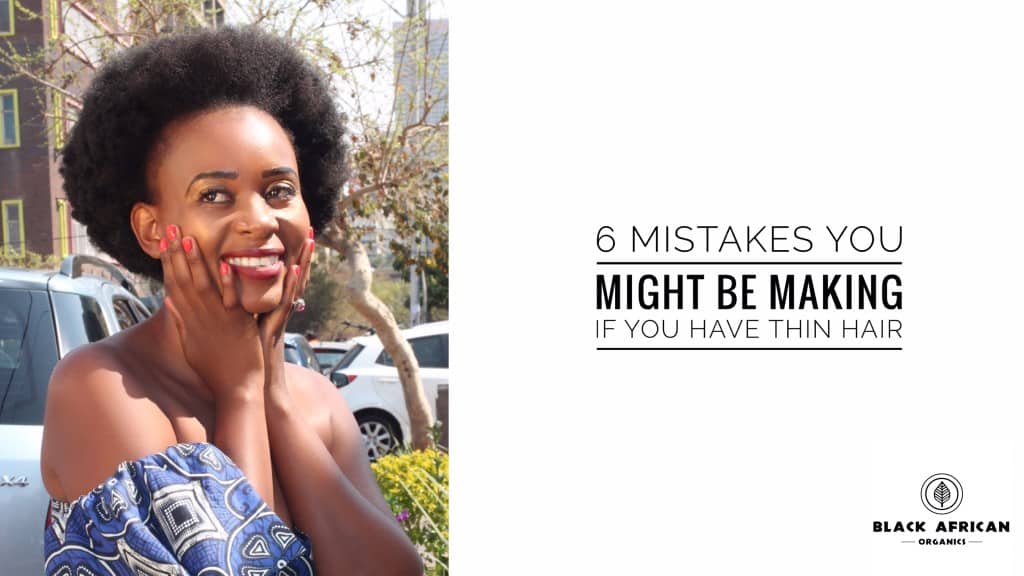
Thin hair can be annoying and difficult to manage, and a few common thin hair mistakes can make it worse. Certain diseases, medications, age, hormones and genes are the biggest culprits behind hair loss and thinning hair. We have little to no control over those factors. However, experts say some of our daily habits also make hair more prone to damage, breakage and fallout. Among the biggest saboteurs are stress and a poor diet.
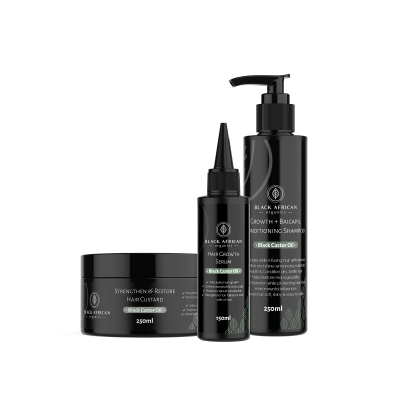
Recommended for this guide
The complete black castor oil and Baicapil hair routine for growth, breakage and dry scalp.
The combination of high stress and poor nutrition can place a person at a higher risk than either of these causes alone.
But here’s the good news: you can do something about it. All it takes is a few minor adjustments to your everyday habits. Below are the most common thin hair mistakes and what to do instead.
Thin hair mistakes to avoid in your daily routine
1. Pulling hair back tightly (traction alopecia)
It can be tempting to throw your hair back in a bun, especially when you’re in a rush. But doing so can cause serious damage, especially to thin strands. Hair over-stretches in a tight bun. As a result, this adds stress to the hair and can pull it out or break it. The American Academy of Dermatology also lists tight hairstyles as a common cause of hair damage.
If you need to tie it back, use a gentle scrunchie with a wide elastic band, or even a clip. Avoid anything too tight.
2. Using too much hair oil
A hair oil might make your hair feel nice. However, heavy oils are not ideal for thin hair, because they can leave strands flat and stuck to the scalp. Instead, we recommend a deep conditioning treatment for healthy hair. You can find conditioning and styling options in our hair products range. Also, try to avoid heavy hair oils when styling.
3. Over-washing your hair
If your hair is thin and fragile, it’s best to avoid washing it every day. Daily washing can thin and dry your hair, so it becomes extremely brittle.
4. Not taking multivitamins that support hair
Something as simple as a vitamin deficiency could contribute to hair loss. That’s why many experts recommend hair, skin and nail vitamins, especially for those who are experiencing hair loss. Hair often reflects what is going on inside your body. Sometimes you just need to make sure you’re taking care of yourself.
5. Dehydration
In addition to supplements, keep hydration in mind. Dehydration is another major factor that weakens the hair follicle. So don’t overlook the importance of drinking about 2 litres of water daily.
More thin hair mistakes: handling and trims
6. Over-manipulating your hair
Natural hair is fragile by nature, and fine natural hair is even more fragile. That’s why you must be gentle when it comes to “handling” your hair. Manipulation is necessary to care for, maintain and style your hair. However, over-manipulation will cause breakage.
If your goal is to grow your hair to its longest possible length, you cannot over-manipulate your strands. Continuing to do so will cause breakage, and the sad part is that it’s avoidable.
Protective styling doesn’t have to be difficult either. For example, you can do simple styles that don’t require much manipulation. For fine natural hair, the best protective styles are easy to do. Keep them in for about a week rather than for weeks on end.
7. Skipping regular trims
Trimming your hair to help with growth may seem like a backwards process. Yet it’s one of the best things you can do for thin hair. Regular trims get rid of nasty split ends and damage that lead to breakage.
There’s no single rule for how often to trim. Still, trimming at least once every season, or every 3 to 4 months, will refresh your ends and keep them healthy. The more you keep up with trims, the less damage you’ll see. In turn, you’ll need to cut less hair. You may even be able to stretch the time between trims as your hair gets healthier.
Shop the products in this guide
Black Castor Oil + Baicapil Deluxe Natural Hair Growth Kit – For Kinky, Coily, Afro-Textured Hair (3 Products)
-
✨ Why you Afro will love you :
✔️ 🌿 Boosts hair growth & reduces breakage
✔️ 💥 Fills bald spots & supports hairline restoration
✔️ 💧 Improves moisture, porosity & softness
✔️ 🧴 Makes afro/kinky hair more manageable
✔️ 👶 Safe for kids, teens & all hair types
✔️ 🧠 Powered by Baicapil™ & Jamaican Black Castor Oil
✔️ 💁🏾♀️ Great for 4C, natural, relaxed & transitioning hair

Black Castor Oil + Baicapil Hair Growth Serum – For Stronger, Fuller Afro Hair 100ml
Gentle care for thin hair
Avoiding these thin hair mistakes won’t change your genes. However, small, consistent changes can help your strands stay stronger and break less. Finally, be patient, because healthy habits take time to show. For more tips, read our guide on how to stop hair breakage and split ends naturally.
Love your hair, and it will love you back…
Shop the routine
Black Castor Oil + Baicapil Deluxe Natural Hair Growth Kit – For Kinky, Coily, Afro-Textured Hair (3 Products)
-
✨ Why you Afro will love you :
✔️ 🌿 Boosts hair growth & reduces breakage
✔️ 💥 Fills bald spots & supports hairline restoration
✔️ 💧 Improves moisture, porosity & softness
✔️ 🧴 Makes afro/kinky hair more manageable
✔️ 👶 Safe for kids, teens & all hair types
✔️ 🧠 Powered by Baicapil™ & Jamaican Black Castor Oil
✔️ 💁🏾♀️ Great for 4C, natural, relaxed & transitioning hair
Black Castor Oil + Baicapil Hair Growth Serum – For Stronger, Fuller Afro Hair 100ml

Black Castor Oil + Baicapil Nourishing Shampoo
