Blog
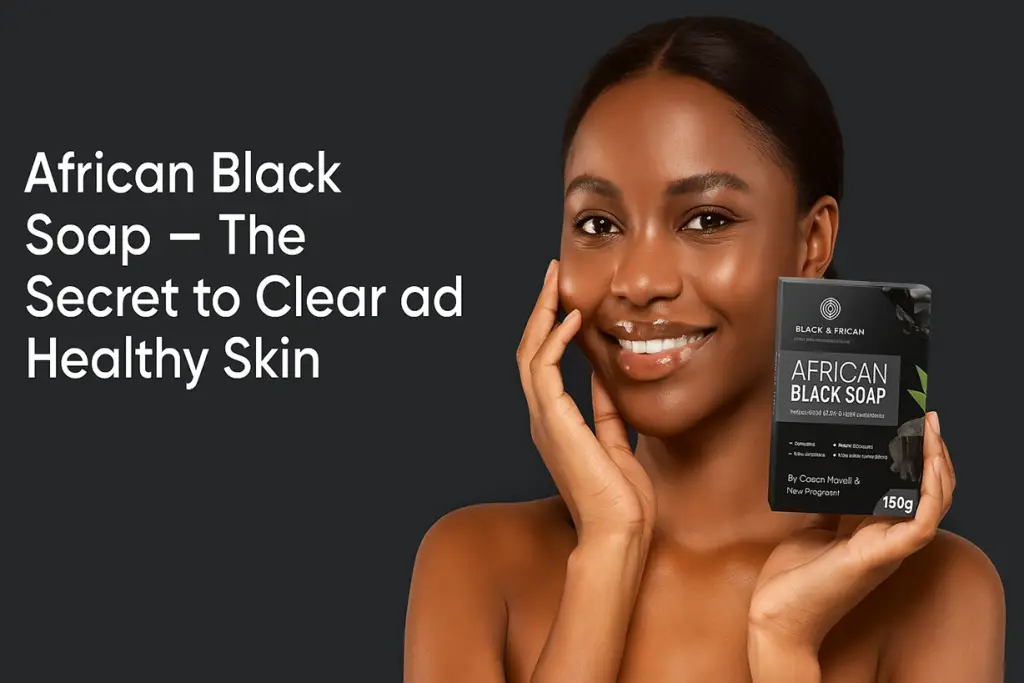
African Black Soap for Glowing Skin: The Ultimate Guide to Benefits & How to Use

Discover the secret to radiant, glowing skin with African Black Soap. This natural ingredient has been used for centuries to nourish and rejuvenate the skin.
This traditional soap is rich in antioxidants. It has been shown to improve skin texture, reduce inflammation, and promote overall skin health. By adding African Black Soap to your skincare routine, you can get a brighter, more even-toned complexion.
With its many benefits, it’s no wonder African Black Soap is a popular choice. It’s a natural solution for glowing skin.
Key Takeaways
- African Black Soap is rich in antioxidants and improves skin texture.
- It reduces inflammation and promotes overall skin health.
- Incorporating African Black Soap into your skincare routine can lead to a brighter complexion.
- It’s a natural solution for achieving glowing skin.
- African Black Soap has been used for centuries to nourish and rejuvenate the skin.
What is African Black Soap?
African Black Soap comes from West Africa and has been used for generations. It’s made from natural ingredients and is good for many things. This makes it very popular across the continent.
Traditional Ingredients and Composition
African Black Soap is made from plantain skin, palm oil, palm kernel oil, and shea butter. These ingredients are full of vitamins and antioxidants. They help make the soap good for your skin.
The ingredients might change a bit depending on where it’s made and who makes it. But the main ingredients stay the same.
| Ingredient | Benefit |
| Plantain Skin | Rich in antioxidants, helps with skin conditions |
| Palm Oil | Moisturizes and nourishes the skin |
| Shea Butter | Hydrates and protects the skin |
Regional Variations Across Africa
African Black Soap comes from West Africa but changes a lot in different places. In Ghana, they use cocoa pods. But in other places, they use different things because of what’s available.
This makes each African Black Soap special in its own way. It shows how different places can make something similar but unique.
The way it’s made and what’s in it can change how it feels and works. But no matter where it’s from, African Black Soap is loved for its natural goodness and cultural value.
The Rich History and Cultural Significance
African Black Soap has a long history, dating back centuries. It is deeply rooted in West African culture. This soap has been a key part of the region’s skincare for its cleansing and cultural value.
Origins in West Africa
The Yoruba people of Nigeria are where African Black Soap comes from. It was made from plantain skin, palm oil, and shea butter. These ingredients were common in the area, giving the soap its dark color and healing properties.
Traditional Production Methods
Making African Black Soap is a hard process passed down through generations. It involves roasting plantain skins and mixing them with other natural ingredients. Then, the mixture is blended with water to make the soap. This artisanal process is more than making a soap; it’s a cultural ritual that connects the makers to their heritage.
| Region | Key Ingredients | Production Method |
| West Africa | Plantain skin, palm oil, shea butter | Roasting and mixing |
| Nigeria (Yoruba) | Local herbs, palm kernel oil | Traditional blending |
| Ghana | Shea butter, coconut oil | Handcrafted mixing |
African Black Soap for Glowing Skin: The Ultimate Guide to Benefits & How to Use
African Black Soap has been a key part of West African beauty for centuries. It offers many benefits for glowing skin. Its natural ingredients make it great for different skin issues.
Key Skin Benefits Overview
African Black Soap can reduce acne and hyperpigmentation, soothe irritated skin, and promote even skin tone. It’s packed with vitamins A and E, and antioxidants. These help nourish and protect your skin.
| Benefit | Description |
| Reduces Acne | Helps in controlling acne by reducing inflammation and preventing future breakouts. |
| Soothes Irritation | Calms irritated skin, making it suitable for sensitive skin types. |
| Promotes Even Skin Tone | Fades hyperpigmentation and dark spots, resulting in a more even complexion. |
Scientific Evidence Behind the Claims
Research backs up African Black Soap’s benefits. Studies show its antimicrobial and anti-inflammatory properties. These come from its natural ingredients like plantain skin, palm oil, and shea butter.
Why It’s Perfect for South African Climate
The South African climate is dry and harsh. African Black Soap is perfect for it. It moisturizes and cleanses, leaving your skin glowing and healthy.
Adding African Black Soap to your skincare routine can give you the glowing skin you want.
Skin Conditions That African Black Soap Can Help Treat
African Black Soap is made from natural ingredients. It has been used for centuries to treat different skin problems. Its natural makeup makes it effective.
Acne and Blemishes
African Black Soap fights acne and makes blemishes less visible. It kills bacteria that cause acne. This helps prevent more breakouts.
Eczema and Psoriasis
The soap moisturizes and soothes eczema and psoriasis. It reduces itching and swelling. Regular use improves skin hydration and lowers flare-ups.
Hyperpigmentation and Dark Spots
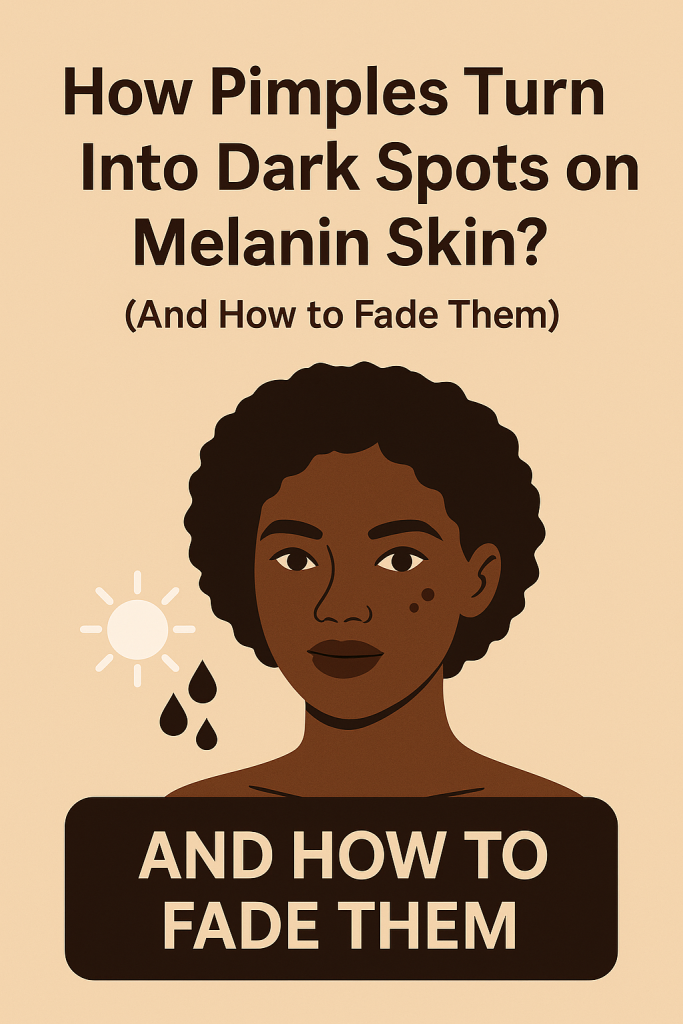
African Black Soap can lessen hyperpigmentation and dark spots. It helps achieve a more even skin tone over time.
Aging Skin and Fine Lines
The soap’s antioxidants fight aging signs like fine lines and wrinkles. They help keep the skin looking young.
| Skin Condition | Benefits of African Black Soap |
| Acne | Reduces acne, prevents future breakouts |
| Eczema/Psoriasis | Soothes, moisturizes, reduces inflammation |
| Hyperpigmentation | Reduces appearance, evens skin tone |
| Aging Skin | Combats fine lines, promotes youthful appearance |
How to Choose the Right African Black Soap
Choosing the right African Black Soap is key for good skin health. The market offers many options, making it hard to decide. Knowing the difference between authentic and commercial soaps helps you choose wisely.
Authentic vs. Commercial Versions
Authentic African Black Soap uses natural ingredients and traditional methods. Commercial soaps might have additives and preservatives. Look for “raw” or “natural” labels and simple ingredient lists.
Reading Labels and Identifying Quality
Check the label to find a high-quality African Black Soap. Look for shea butter, palm oil, and plantain skin. Avoid artificial fragrances and dyes. A good soap should feel rough and smell earthy.
By paying attention to these details, you can pick a soap that suits your skin needs and offers the benefits you want.
Step-by-Step Guide to Using African Black Soap
Using African Black Soap right is key to its benefits. We’ve made a simple guide to help you use it well.
Preparing Your Skin
Before you start, make sure to prepare your skin. Wet your face or body with warm water. This opens your pores for better soap absorption.
Creating the Perfect Lather
Getting a rich lather is important for a good clean. Rub the soap in your hands or on a cloth until it’s creamy. Don’t scrub too hard to avoid skin irritation.
Proper Application Techniques
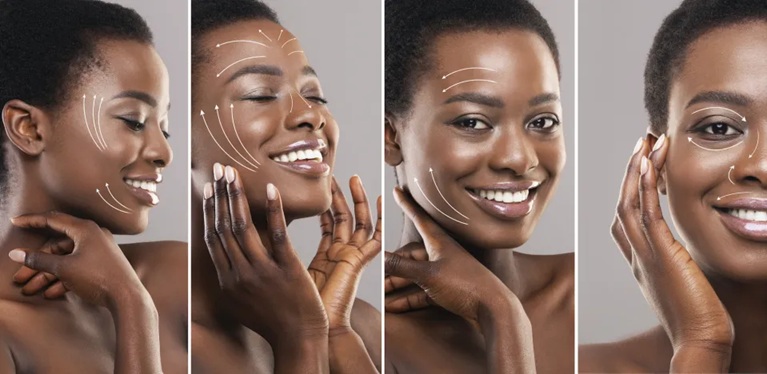
Apply the soap with soft, circular motions. This method clears dirt and impurities gently. Make sure to cover all areas but skip sensitive spots if unsure.
When using it on your face, be gentle around your eyes. Don’t put it directly in your eyes.
Post-Wash Skin Care
After washing, dry your skin gently with a clean towel. Then, apply a moisturizer to keep your skin hydrated. For extra benefits, use a toner or serum before moisturizing.
By following these steps, you’ll get the most out of African Black Soap. Enjoy healthier, glowing skin.
Customizing Usage for Different Skin Types
To get the most out of African Black Soap, it’s key to adjust its use for your skin type. Each skin type needs a unique approach to enjoy its natural cleansing benefits fully.
For Dry and Sensitive Skin
When using African Black Soap for dry and sensitive skin, be gentle. Mix a small amount with water to make a gentle lather. This helps keep your skin’s natural oils intact. Also, apply moisturizer right after to keep your skin hydrated.
For Oily and Combination Skin
African Black Soap is great for oily and combination skin. Use it twice a day to control oil and reduce acne. But, don’t forget to apply a light moisturizer to avoid drying out your skin.
For Mature Skin
Mature skin loves the nourishing qualities of African Black Soap. Gently rub the soap on your skin to boost circulation. Then, use a rich moisturizer to fight fine lines and wrinkles.
Customizing your use of African Black Soap for your skin type can maximize its benefits. This way, you can enjoy its many advantages without worrying about drawbacks.
Potential Side Effects and Precautions
African Black Soap is known for its many skin benefits. But, it’s important to know about possible side effects. Everyone’s skin reacts differently, and some might have negative reactions.
Common Reactions to Watch For
Some people might find their skin gets dry, irritated, or red after using African Black Soap. It’s key to watch how your skin reacts and change how you use it if needed. If you see any of these signs, try using it less or mix it with water.
How to Perform a Patch Test
Doing a patch test is a smart way to check if African Black Soap works for you. Just put a small bit on a hidden spot, like behind your ear or on your wrist. Wait 24 hours to see if there’s any bad reaction. If not, it’s probably okay to use it.

African Black Soap patch test
By being careful and watching your skin, you can enjoy African Black Soap’s benefits. And you’ll avoid most of the risks.
DIY African Black Soap Recipes and Treatments
Discover the power of African Black Soap in your DIY skincare and haircare. It’s a versatile ingredient that can boost your beauty routine in many ways.
Face Masks with African Black Soap
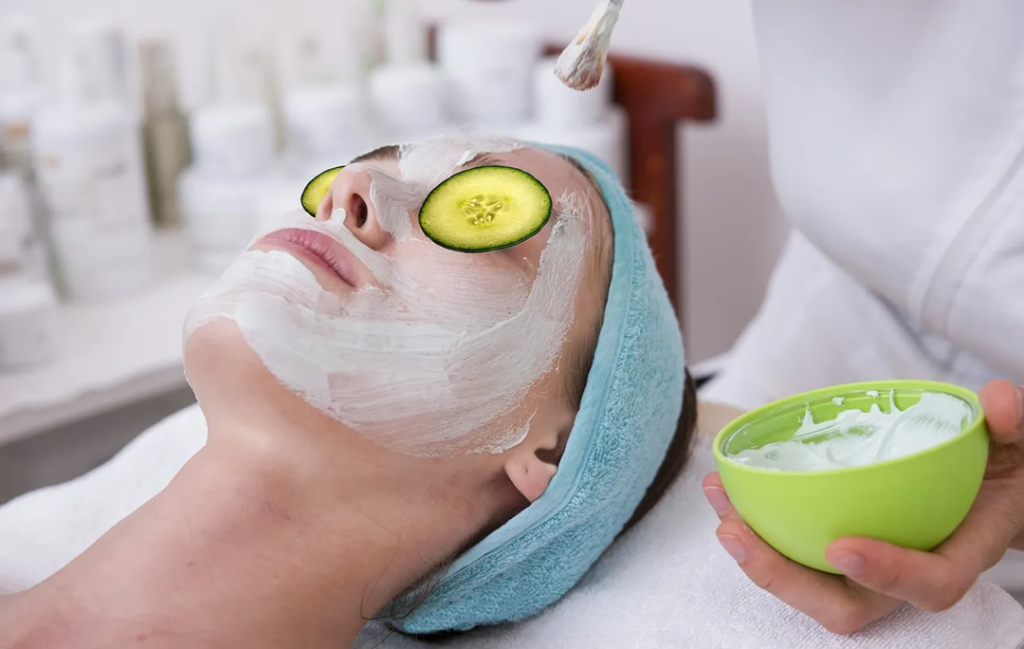
Making a face mask with African Black Soap is easy and works well. Mix the soap with water to make a paste. Add honey or yogurt for extra moisture.
Put the mask on your face, but skip the eye area. Leave it on for 10-15 minutes before washing off. This can help reduce acne and hyperpigmentation. Your skin will look clearer and brighter.
Body Scrubs and Exfoliants
African Black Soap is great for making a body scrub. Mix it with sugar or salt and a carrier oil like coconut or olive oil. Use the scrub on your skin in circular motions, focusing on tough spots like elbows and heels. It helps remove dead skin cells, making your skin smoother and healthier.
Hair Treatments and Shampoo Alternatives
African Black Soap is also good for hair care. Use it as a gentle shampoo or a pre-shampoo treatment. Mix the soap with water to make a lather, then apply it to your hair. Massage it into your scalp to fight dandruff and promote hair growth. Skincare experts say it can make your scalp healthier and your hair shinier.
Comparing African Black Soap to Other Natural Cleansers
In the world of natural skincare, African Black Soap is often compared to Castile Soap and clay-based products. People are now more aware of what’s in their skincare products. African Black Soap, with its long history and supposed benefits, is a favorite. But how does it compare to other natural cleansers?
African Black Soap vs. Castile Soap
Castile Soap is known for its gentle cleaning. It’s often compared to African Black Soap. Both are natural and good for the skin, but they’re different. African Black Soap is made from roasted plantain skins, palm oil, and shea butter. This gives it a special mix that some find better for certain skin issues.
Castile Soap, on the other hand, is made from olive oil. It’s known for keeping the skin moist. The main difference is in texture and use. African Black Soap is rougher and used for detox and acne treatment. Castile Soap is smoother and better for hydrating the skin.
| Characteristics | African Black Soap | Castile Soap |
| Main Ingredients | Roasted plantain skins, palm oil, shea butter | Olive oil |
| Texture | Abrasive | Smooth |
| Primary Use | Detoxifying, acne treatment | Moisturizing, gentle cleansing |
African Black Soap vs. Clay-Based Cleansers
Clay-based cleansers are great at pulling out dirt and extra oil. African Black Soap also cleanses but adds vitamins and minerals. Unlike clay, which can dry out the skin, African Black Soap balances it. This makes it good for many skin types.
African Black Soap vs. Commercial Acne Products
Commercial acne products often have harsh chemicals. These can take away the skin’s natural oils. African Black Soap is natural and gentle. It’s a good choice for acne-prone skin without the risk of dryness or irritation.
Its antibacterial properties, from palm oil and shea butter, help fight acne.

african black soap comparison
African Black Soap has unique benefits that set it apart from other natural cleansers and commercial products. Its traditional ingredients and cultural importance make it a great choice for natural skincare.
Where to Buy Authentic African Black Soap in South Africa
Finding authentic African Black Soap in South Africa can be tricky. But, knowing where to look makes a big difference. With more people looking for natural skincare, many places now sell African Black Soap.
Local Markets and Specialty Stores
Local markets and specialty stores are great for finding real African Black Soap. These places often get their products straight from West Africa. This ensures they are genuine. In South Africa, places like the Johannesburg Farmers Market and the Cape Town International Market are good spots. Here, local vendors sell a variety of African Black Soap.
Reputable Online Retailers
Shopping online is also an option. Sites like Takealot and Amazon have many African Black Soap products. When buying online, always check the seller’s ratings and reviews. This helps make sure you’re buying from a trusted source.
Price Ranges and What to Expect
The price of African Black Soap varies a lot. It depends on the brand, quality, and how much you buy. On average, expect to pay between R50 to R200 for a bar or pack. Here’s a simple table to help you know what to expect:
| Product Type | Average Price Range (ZAR) |
| Raw African Black Soap Bar | R50 – R100 |
| Processed African Black Soap | R100 – R150 |
| African Black Soap with Additional Ingredients | R150 – R200 |
Conclusion
African Black Soap is a game-changer for glowing skin. It has a rich history and many benefits. It’s perfect for any skincare routine.
This soap tackles many skin issues. It’s great for acne, hyperpigmentation, aging skin, and fine lines. Its unique blend of ingredients makes it special.
Adding African Black Soap to your routine can make your skin radiant. Its natural ingredients nourish and protect your skin. It leaves your skin soft, smooth, and refreshed.
It’s perfect for anyone wanting healthy, glowing skin. African Black Soap is definitely worth trying.
Now you know how to choose and use African Black Soap. It can make your skin glow. Start your journey to radiant skin today.