Blog
Best Natural Ingredients to Fade Dark Spots and Even Skin Tone


Every African woman dreams of glowing, even-toned skin — not bleached or artificial, but radiant, healthy, and naturally beautiful. However, dark spots and uneven pigmentation are common challenges, especially in South Africa’s sunny climate.
Sun exposure, hormonal changes, acne scars, and inflammation can all trigger hyperpigmentation, leaving behind stubborn dark patches that dull your natural glow. While chemical treatments exist, many women are turning to natural ingredients that fade dark spots gently without irritating melanin-rich skin.
In this guide, we’ll explore the best natural ingredients that help fade dark spots, brighten dull areas, and restore balance — with remedies trusted by African women for generations.
Understanding Dark Spots and Uneven Skin Tone

What Causes Dark Spots?
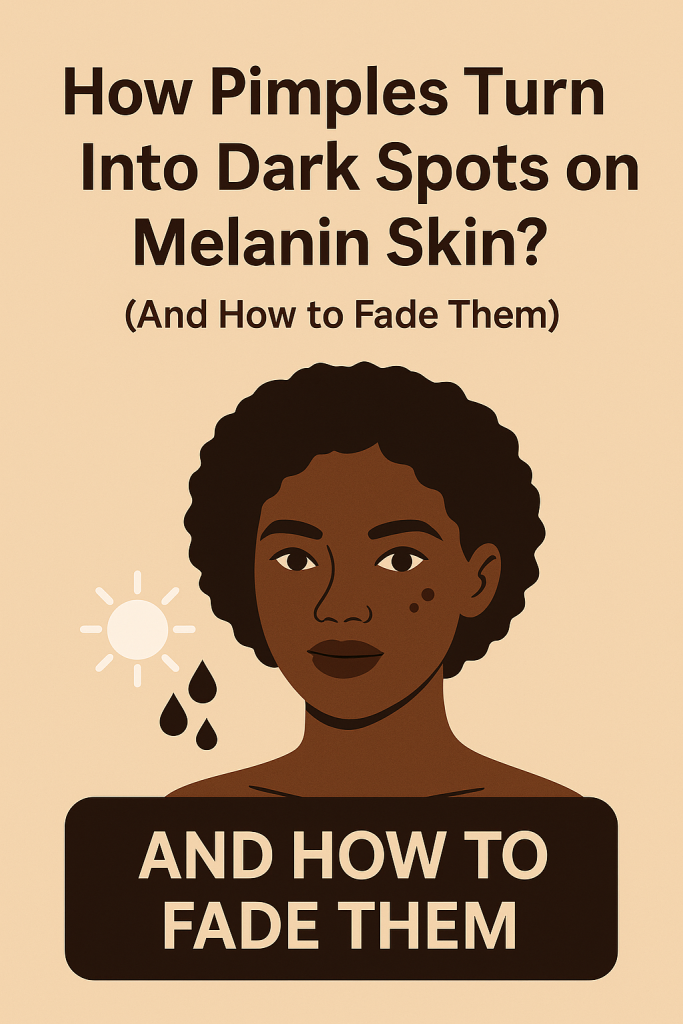
Dark spots (hyperpigmentation) occur when the skin produces excess melanin, the pigment responsible for color. Common triggers include:
- Sun exposure: The harsh South African sun accelerates melanin production.
- Post-acne marks: Healing blemishes often leave dark traces.
- Hormonal changes: Pregnancy and hormonal treatments can cause melasma.
- Skin inflammation: Cuts, burns, or rashes can darken once healed.
- Aging and lifestyle factors: Smoking, dehydration, and poor skincare habits contribute over time.
Why Natural Remedies Work
Natural ingredients contain antioxidants, vitamins, and gentle exfoliants that lighten pigmentation gradually without bleaching or thinning the skin. They work in harmony with melanin — balancing production rather than erasing it.
For African women, this approach maintains the skin’s natural richness while promoting an even, healthy glow.
1. Vitamin C – Nature’s Brightening Powerhouse
Vitamin C is one of the most researched ingredients for fading dark spots. It works by inhibiting melanin formation, brightening dull areas, and improving overall radiance.
Why It Works
- Neutralizes free radicals caused by UV damage
- Reduces pigmentation and evens tone
- Promotes collagen production for smoother texture
How to Use
- Apply a few drops of a vitamin C serum each morning before sunscreen.
- You can also blend freshly squeezed orange or lemon juice with honey as a mild DIY mask (patch-test first to avoid irritation).
Pro Tip
Pair Vitamin C with shea butter or baobab oil to prevent dryness and enhance absorption.
2. Licorice Root Extract – Gentle Yet Effective
Licorice root contains glabridin, a natural compound that reduces pigmentation by blocking melanin-triggering enzymes. It’s a top choice for women with sensitive skin who want to fade dark spots safely.
Why It Works
- Fades dark marks without irritation
- Reduces redness and inflammation
- Helps prevent new pigmentation from forming
How to Use
Look for creams or serums containing licorice extract, or apply diluted licorice root oil directly to affected areas 3–4 times a week.
Licorice is a great option for African women whose skin reacts to harsh chemical brighteners like hydroquinone.
3. Turmeric – The Golden Healer
Turmeric, a staple in traditional beauty rituals, contains curcumin, a potent antioxidant and anti-inflammatory compound that brightens the skin and fades dark spots naturally.
Why It Works
- Curcumin inhibits excess melanin production
- Reduces scarring and post-acne pigmentation
- Improves skin tone and clarity
How to Use
Mix ½ teaspoon of turmeric powder with honey and yogurt to create a soothing face mask. Apply for 15 minutes and rinse with lukewarm water.
Tip: Add a few drops of marula or coconut oil to prevent staining and nourish the skin.
Regular use helps lighten dark areas, revealing a soft, even glow.
4. Aloe Vera – Nature’s Soothing Brightener

Aloe vera is one of the most versatile plants for skin healing. Its gel is rich in aloin, a compound proven to reduce hyperpigmentation and support new cell growth.
Why It Works
- Gently fades dark marks and scars
- Calms irritation and sun damage
- Hydrates and restores skin’s natural glow
How to Use
- Apply pure aloe vera gel directly to dark spots overnight.
- Combine with lemon juice or rosewater for extra brightness.
- Use daily as a lightweight moisturizer for even, smooth skin.
Aloe vera is especially beneficial for South African women dealing with sun exposure or dryness from coastal winds and heat.
5. Baobab Oil – Africa’s Secret for Even-Toned Skin
Known as the “Tree of Life,” baobab oil is one of Africa’s greatest natural skincare treasures. Rich in vitamins A, D, and E, it deeply moisturizes while repairing damaged or uneven skin.
Why It Works
- Promotes skin regeneration and fades scars
- Softens texture and boosts elasticity
- Protects against environmental damage
How to Use
Massage 3–5 drops of baobab oil into clean skin daily. It absorbs quickly and can be used under makeup or before bed.
When used consistently, baobab oil helps reduce discoloration and maintain a smooth, radiant complexion.
6. Raw Honey – Natural Exfoliant and Brightener
Honey is both a humectant (retains moisture) and a natural enzyme exfoliant. It helps remove dead cells that dull the skin while hydrating it deeply.
Why It Works
- Gently removes surface pigmentation
- Encourages healthy skin turnover
- Soothes irritation and dryness
How to Use
Apply raw honey directly as a mask for 15 minutes, then rinse with warm water. Combine with lemon or aloe vera for enhanced brightening.
Honey’s mild acidity and enzyme content make it ideal for African women seeking a gentle, everyday brightening treatment.
7. Rosehip Oil – Vitamin-Rich Skin Restorer
Rosehip oil is packed with vitamins C and A, both of which promote skin renewal and even pigmentation. It also contains essential fatty acids that repair damaged skin and improve tone.
Why It Works
- Fades acne scars and dark spots
- Hydrates without clogging pores
- Reduces fine lines and dullness
How to Use
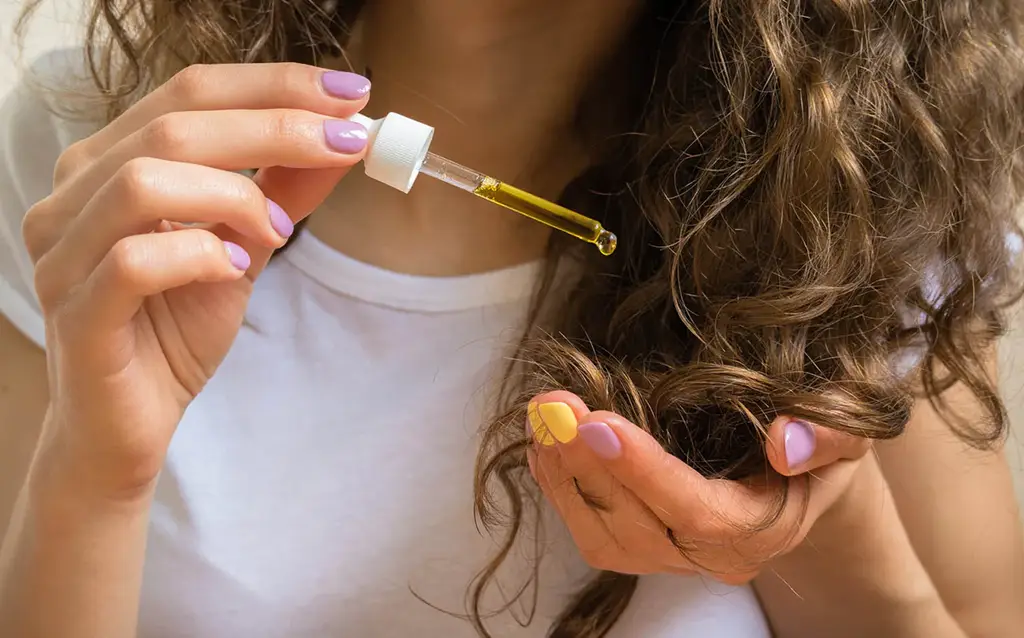
Apply 2–3 drops to clean, damp skin at night as a natural serum. Combine with shea butter or marula oil for deep hydration.
Rosehip oil works beautifully on darker skin tones, helping maintain radiance without stripping natural oils.
Tips to Prevent Future Dark Spots

Even with the best natural ingredients, prevention is key. Follow these habits to keep your complexion clear and glowing:
- Wear Sunscreen Daily: South Africa’s UV index is high year-round — always use SPF 30 or higher.
- Avoid Picking Pimples: Picking leads to inflammation and post-acne marks.
- Stay Consistent: Natural treatments take time — expect visible results in 6–8 weeks.
- Stay Hydrated: Drink plenty of water and include vitamin-rich foods in your diet.
- Exfoliate Weekly: Use natural scrubs or enzyme masks to remove dead skin cells.
Healthy skin is the result of care, patience, and a commitment to gentle, nourishing ingredients.
Where to Buy Natural Skincare Ingredients in South Africa

For radiant, even skin, purity is essential. Many commercial products contain harsh chemicals that can harm melanin-rich skin or trigger pigmentation issues.
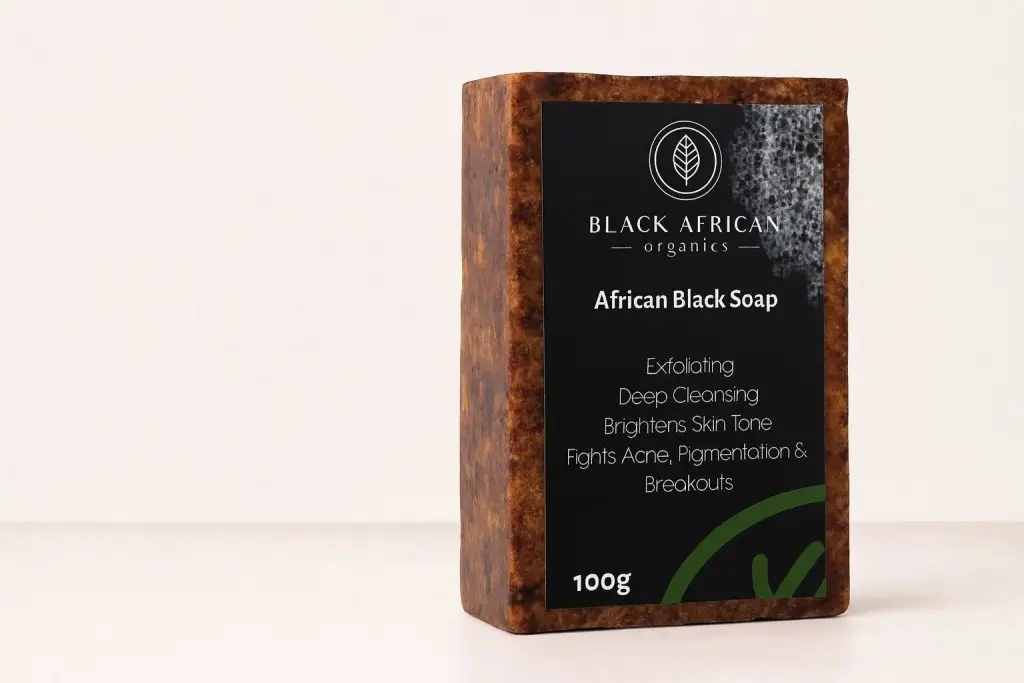
African women looking for organic, ethically sourced skincare should explore Black African. This South African brand offers 100% natural oils, butters, and blends designed for African skin, including:
- Baobab oil (brightens and evens skin tone)
- Raw shea butter (deep hydration, cell renewal)
- Marula and rosehip oils (softness and glow)
- Aloe vera and turmeric (gentle brightening)
With nationwide delivery and eco-friendly packaging, Black African celebrates local beauty traditions while making natural skincare easy.
FAQs
What are the best natural ingredients to lighten dark spots?
To lighten dark spots naturally, try apple cider vinegar, fresh lemon juice, sour milk, or green tea extract. These ingredients help treat hyperpigmentation by inhibiting melanin production, reducing age spots and liver spots. Papaya enzymes and castor oil also promote gentle exfoliation and skin health without harsh side effects. When using natural home remedies, always apply with a cotton ball and repeat daily for best results.
How can I safely treat hyperpigmentation at home?
For safe at home treatments, combine green tea or a green tea bag compress with apple cider vinegar or even sour milk for natural brightening. Avoid overuse to prevent skin irritation. Apply ingredients only on pigmented areas and follow with a broad spectrum sunscreen to protect your skin from more melanin buildup and skin cancer. Consistency is key for desired results in treating dark spots and evening skin tone.
When should I see a professional for dark spots?
If post inflammatory hyperpigmentation or hyperpigmentation caused by acne or sun exposure doesn’t improve with home remedies, visit a skin specialist or healthcare professional. They may recommend chemical peels, laser therapy, or Retin A to target stubborn skin pigmentation. Always seek medical advice before combining natural and clinical treatments to avoid worsening skin issues or irritation.
How do I prevent future age spots and maintain even tone?
To prevent age spots and maintain an even tone across your entire body, use broad spectrum sunscreen daily and keep your skin moisturized with castor oil. Exfoliate gently using papaya enzymes or glycolic acid to remove dead cells and enhance skin health. Drink water, manage sun exposure, and protect your skin from UV rays to reduce future pigmentation and keep your complexion clear.
Conclusion
Fading dark spots and achieving an even complexion doesn’t require harsh chemicals or expensive treatments — just patience and the right natural ingredients.
From the brightening power of vitamin C and turmeric to the healing touch of baobab and aloe vera, these ingredients nurture your skin while honoring its natural tone.
For African women in South Africa, this is more than skincare — it’s self-care rooted in tradition. By choosing authentic, organic products like those from Black African Organics, you’re embracing your heritage and empowering your beauty the natural way.
Let your skin glow with confidence — naturally, beautifully, and authentically African.