Blog
How to Repair Damaged Hair Naturally Without Chemicals

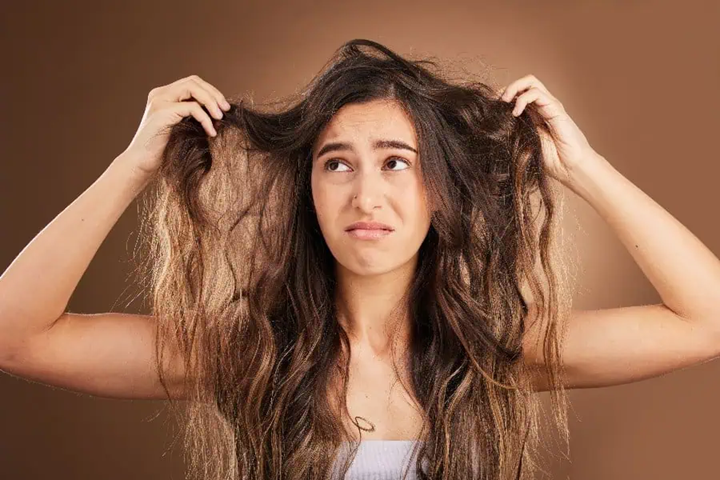
Repairing damaged hair doesn’t have to mean relying on expensive salon treatments or chemical-laden products. In South Africa’s sun-intense and often dry climate, hair can easily become brittle, frizzy, or weak from heat styling, colouring, or environmental exposure. Fortunately, nature offers everything needed to restore strength and shine.
By adopting a gentle, chemical-free hair care routine, you can nourish your scalp, repair broken hair strands, and promote long-lasting healthy hair growth. Using natural ingredients such as coconut oil, aloe vera, shea butter, and honey helps replenish moisture, reduce hair breakage, and revive your hair’s natural texture and vitality — beautifully and safely.
Understanding Hair Damage
Hair damage occurs when the protective outer layer of the hair shaft, known as the cuticle, becomes weakened or broken. This exposes the inner layers, leading to dryness, breakage, and loss of shine. Common causes include frequent heat styling, chemical treatments, tight hairstyles, harsh shampoos, and environmental stressors like sun and pollution.
Over time, these factors strip natural oils and proteins, making hair look frizzy, rough, and lifeless. Damaged hair also struggles to retain moisture, resulting in split ends and tangles. Understanding the root of the problem is the first step toward repair — healthy hair care starts with gentle cleansing, proper nourishment, and protection from further harm.
By using natural ingredients that replenish moisture and strengthen the strands, you can gradually restore elasticity, smoothness, and overall hair health without relying on chemicals.
Key Ingredients for Natural Hair Repair

Restoring damaged hair naturally starts with choosing the right ingredients that nourish, strengthen, and hydrate from root to tip. Here are some of the most effective natural ingredients for hair repair:
1. Coconut Oil
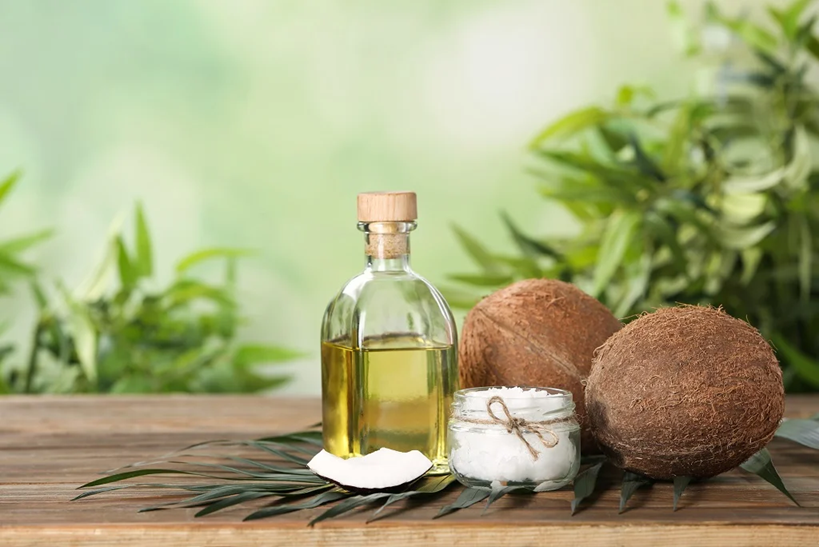
A powerful moisturizer rich in fatty acids that penetrate deep into the hair shaft. It helps reduce protein loss, strengthen weak strands, and add shine.
2. Aloe Vera
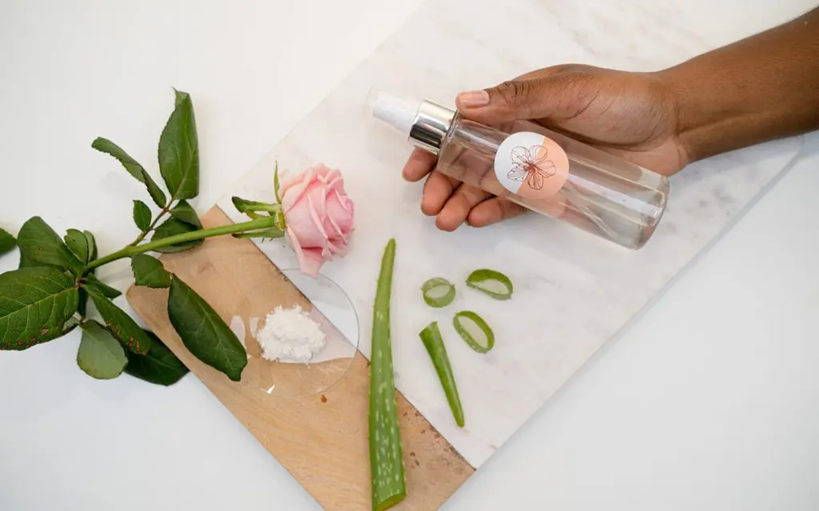
Soothes the scalp, reduces dandruff, and hydrates dry hair. Its natural enzymes promote growth and improve elasticity, making it a must-have for overall hair health.
3. Avocado
Packed with vitamins A, D, E, and natural oils that nourish and soften damaged hair. It helps repair split ends and restore shine to dull strands.
4. Honey
A natural humectant that draws moisture into the hair, keeping it hydrated and smooth. It also adds luster and helps reduce frizz.
5. Olive Oil
Rich in antioxidants and vitamin E, olive oil strengthens hair, prevents breakage, and improves manageability by deeply conditioning dry ends.
6. Eggs
A natural source of protein that rebuilds and strengthens damaged hair. Ideal for brittle strands needing structural repair.
7. Castor Oil
Promotes hair growth, thickens strands, and nourishes the scalp with its omega fatty acids.
8. Yogurt
Contains lactic acid and protein that smooth rough texture and enhance softness.
Using these natural ingredients regularly helps restore moisture balance, repair breakage, and promote stronger, shinier, and healthier hair — without chemicals.
Step-by-Step Natural Hair Repair Routine

Repairing damaged hair naturally takes time, patience, and a gentle, consistent hair care routine. In South Africa, where the climate varies from humid coasts to dry inland regions, hair is often exposed to sun, dust, and dehydration — all of which can weaken hair strands.
Here’s a step-by-step guide to restoring strength, moisture, and shine the natural way.
1. Pre-Treatment: Nourishing Oil Massage
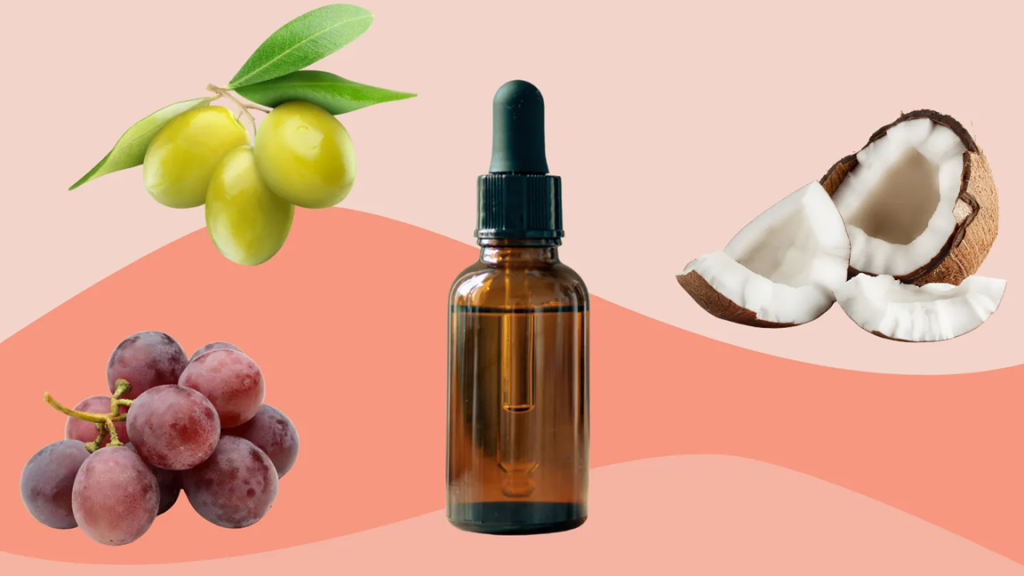
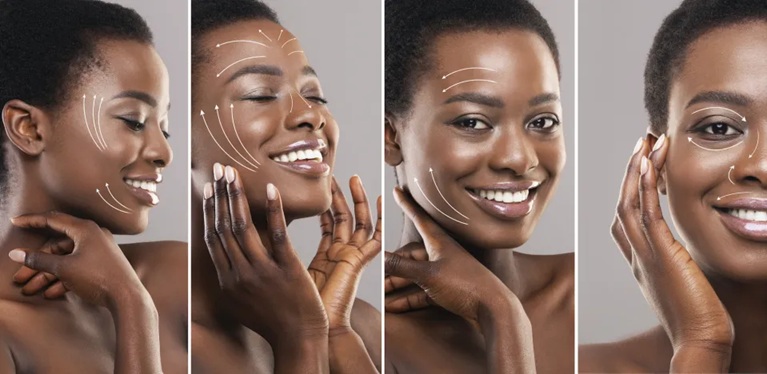
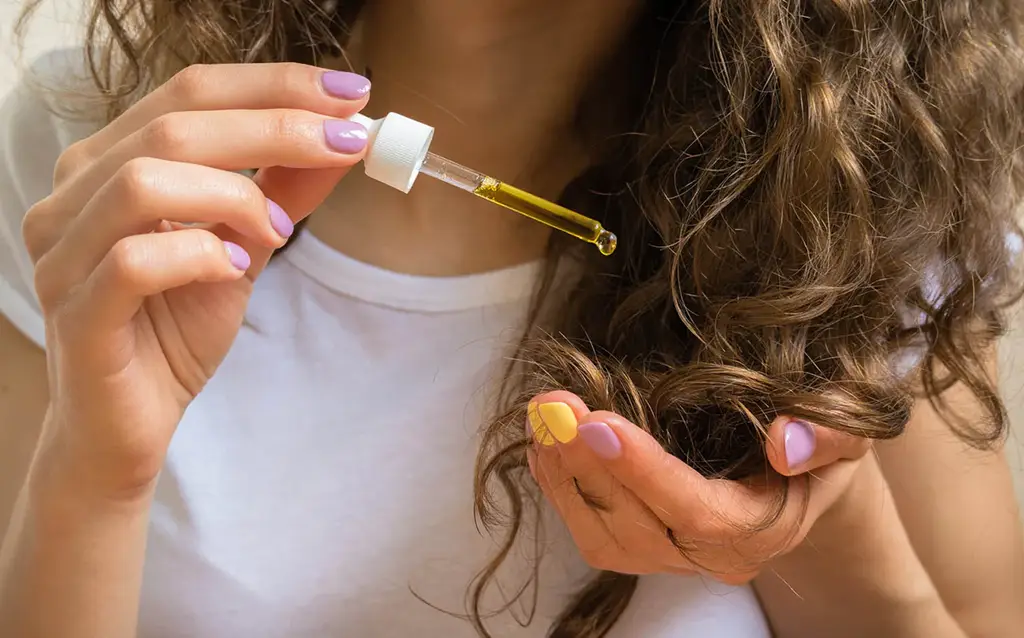
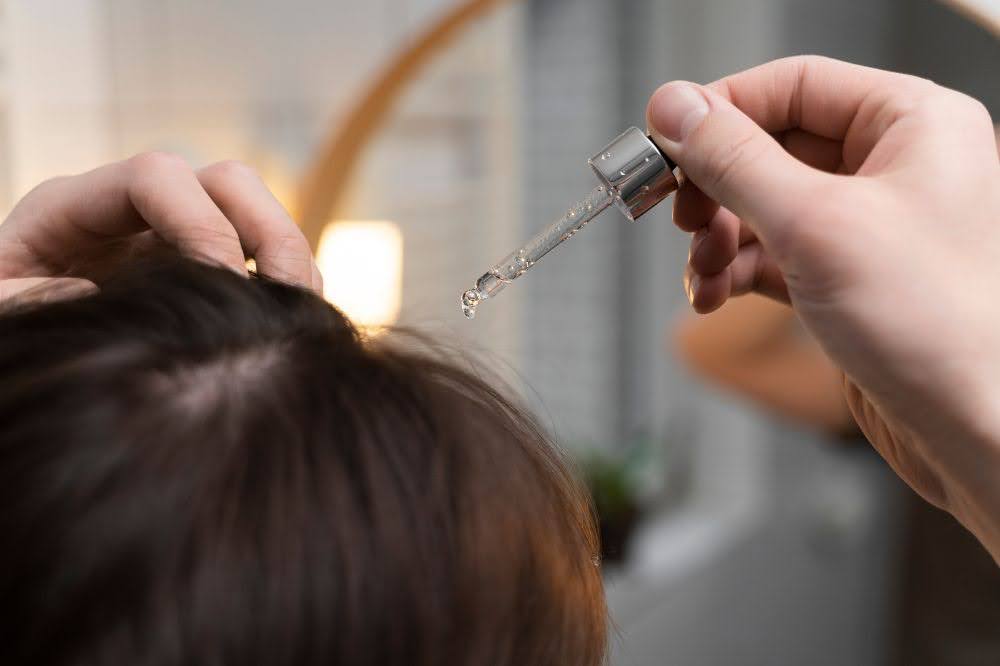
Start your routine with a nourishing oil massage to rejuvenate your scalp and strengthen hair strands. Warm coconut oil or olive oil and gently massage it into your scalp using circular motions. This improves blood circulation and delivers essential nutrients that promote healthy hair growth.
Apply oil from the roots to the ends, focusing on areas prone to hair breakage and dryness. Cover your hair with a shower cap and leave it on for at least 30–45 minutes. This step softens brittle hair, reduces split ends, and replenishes lost moisture.
2. Gentle Cleansing
After oiling, wash your hair using a mild, sulfate-free shampoo or a natural cleanser made from ingredients like aloe vera or shikakai. Harsh shampoos strip the hair of its natural oils, worsening hair damage and leaving it dry and rough.
Cleanse gently with lukewarm water to remove dirt and excess oil without irritating the scalp. Avoid using hot water, as it can weaken hair strands and lead to more hair breakage.
3. Deep Conditioning Hair Mask
A nourishing hair mask is essential for repairing damaged hair. You can easily make one at home by blending half an avocado, one tablespoon of coconut oil, and a spoonful of honey. Apply the mask evenly on damp hair, ensuring all sections are covered from root to tip. Leave it on for 20–30 minutes, then rinse thoroughly with cool water.
This natural hair mask restores lost moisture, smooths rough cuticles, and strengthens fragile strands. For dry hair, try a banana and yogurt mask — banana hydrates while yogurt provides natural protein to repair hair damage and enhance elasticity. Use a deep-conditioning hair mask once a week for best results.
4. Apple Cider Vinegar Rinse
After shampooing and conditioning, rinse your wet hair with a diluted apple cider vinegar mixture (1 tablespoon vinegar to 1 cup water). This helps balance the scalp’s pH, removes product buildup, and seals the cuticle for added shine. Regular use can also reduce frizz and prevent hair breakage, leaving your hair smooth and manageable.
5. Leave-In Moisturizing Treatment
When your damp hair is clean and partially dry, apply a small amount of coconut oil, argan oil, or aloe vera gel as a leave-in conditioner. This step locks in moisture, enhances softness, and protects against environmental stress. Focus especially on the ends, where damaged hair tends to be the driest and most brittle. Avoid heavy application on the roots to prevent greasiness.
6. Gentle Drying and Detangling
Rough towel drying can worsen hair damage and cause hair breakage. Instead, gently squeeze out excess water with a microfiber towel or a soft cotton T-shirt. Let your hair air-dry naturally whenever possible. Use a wide-tooth comb to detangle damp hair, starting from the ends and working upward to prevent pulling and snapping hair strands.
7. Protective Styling and Regular Trims
Constant friction, tight hairstyles, and excessive heat are major causes of damaged hair. Choose protective hairstyles like braids, twists, or buns that reduce tension on the scalp and minimize breakage.
Limit the use of blow dryers, straighteners, and curling irons — heat accelerates hair damage and worsens dryness. If you must use heat, apply a natural heat protectant like coconut oil beforehand.
Regular trimming every 6–8 weeks helps remove split ends, preventing further hair breakage and encouraging healthy hair growth.
8. Balanced Diet and Hydration
Hair repair isn’t just external — your diet plays a vital role in maintaining healthy hair. Eat foods rich in protein, omega-3 fatty acids, zinc, and vitamins A, C, and E to strengthen brittle hair from within. Drink plenty of water to keep your scalp hydrated and your hair strands nourished. A balanced diet combined with a consistent hair care routine supports overall hair growth and vitality.
9. Weekly Routine for Long-Term Results
To fix damaged hair, consistency matters more than intensity. Follow this hair care routine weekly:
- Day 1: Oil massage and deep-conditioning hair mask
- Day 3: Gentle cleansing and vinegar rinse
- Day 5: Light oiling or leave-in treatment
- Day 7: Rest and protective styling
This cycle allows your scalp and hair time to absorb nutrients, repair naturally, and maintain elasticity.
Repairing damaged hair naturally is a gradual process, but the rewards are lasting. With regular oiling, gentle washing, weekly hair masks, and proper nutrition, you can promote healthy hair growth and restore shine and strength. Avoid harsh chemicals and heat styling, be patient, and let nature do its work — soon, your dry hair will transform into smooth, strong, and truly healthy hair.
Lifestyle and Diet Tips for Stronger Hair
Strong, shiny hair starts from within. A balanced diet rich in protein, healthy fats, and essential vitamins supports growth and prevents hair breakage.
Include foods like eggs, salmon, spinach, nuts, and sweet potatoes — they’re packed with biotin, zinc, and vitamin C, all vital for collagen and keratin production. Staying hydrated is equally important, as dehydration leads to dry hair and brittle strands. Regular exercise improves blood circulation to the scalp, helping nutrients reach hair follicles efficiently.
Limit excessive heat styling, avoid tight hairstyles that strain hair strands, and always protect your hair from sun and pollution. Managing stress through sleep, yoga, or meditation also promotes healthy hair growth. Combined with a consistent hair care routine, these lifestyle and diet habits will naturally strengthen, nourish, and repair damaged hair from the inside out.
Common Mistakes to Avoid
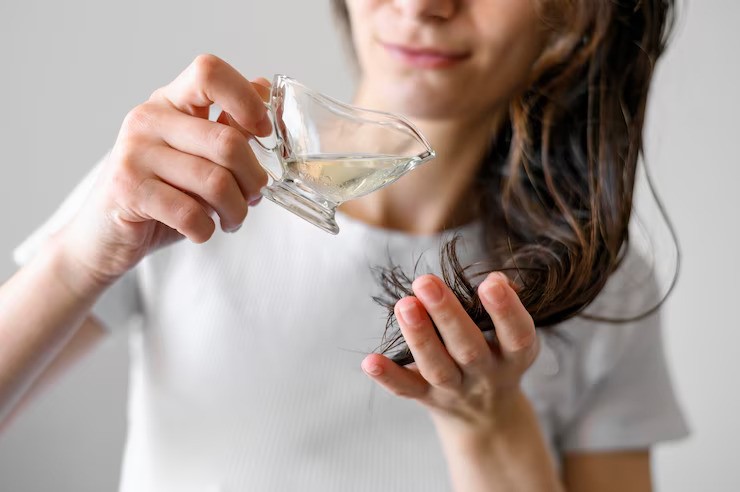
When repairing damaged hair, many South Africans unintentionally make mistakes that can worsen hair damage instead of improving it. Avoiding these habits is essential for achieving stronger, healthy hair that thrives in the country’s varied climate.
1. Overwashing: Washing too often—especially in South Africa’s dry winter months—strips natural oils from your hair strands, leaving them dry and brittle. Wash two to three times weekly with a gentle, sulfate-free shampoo.
2. Using Hot Water: Rinsing with hot water opens the cuticle, causing hair breakage. Always use lukewarm or cool water to retain moisture and shine.
3. Overusing Heat Styling Tools: Flat irons and blow dryers can worsen damaged hair. Reduce heat styling, and apply a natural heat protectant such as marula oil or coconut oil when needed.
4. Skipping Deep Conditioning: Afro-textured and curly hair common in South Africa requires moisture-rich hair masks weekly to prevent dryness. Shea butter, baobab oil, and honey are great local ingredients.
5. Tight Hairstyles: Constantly wearing tight braids or ponytails leads to scalp tension and hair breakage. Opt for looser protective styles.
6. Ignoring Nutrition: A diet lacking protein, iron, and vitamin C weakens hair strands. Include local foods like avocados, spinach, and eggs to support healthy hair growth from within.
Natural Remedies for Specific Problems

Different types of hair damage need specific natural remedies, especially in South Africa’s varied climate. For dry hair, apply a warm coconut oil and honey mask once a week to restore moisture and shine. To combat hair breakage, use a blend of shea butter and baobab oil — both rich in vitamins and fatty acids that strengthen weak hair strands.
For dandruff or scalp irritation, massage aloe vera gel mixed with a few drops of tea tree oil into the scalp. If you struggle with split ends or brittle hair, try an avocado and olive oil hair mask for deep nourishment. These natural, chemical-free remedies help maintain balance, promote healthy hair growth, and leave hair soft, strong, and manageable.
Choose Black African Organics for Your Natural Hair Repair
At Black African Organics, we believe healthy hair starts with nature. Our range of pure, cold-pressed oils and butters — from shea and castor to baobab and marula — is made right here in South Africa to repair damage, restore moisture, and strengthen every strand.
We create vegan, sulphate- and paraben-free products designed for African hair and our unique climate, helping you revive softness, shine, and natural strength — without chemicals.
Black African Organics — proudly South African, purely natural.
Shop now at www.blackafrican.co.za
FAQs
What are the best ways to repair damaged hair naturally?
Start your hair recovery journey with regular deep conditioning treatment using essential oils or an egg mask made with one or two eggs. These provide amino acids and vitamin B, which nourish the hair cuticle and help in reducing breakage. Avoid direct heat and harsh hair products to prevent further damage, especially if your hair is prone to breakage or thinning hair.
How can I prevent hair fall and shedding naturally?
Use a gentle shampoo suitable for your hair type and avoid over washing, as it strips natural oils. Protect from UV rays and limit hair color treatments. Apply oils like coconut or argan oil to reduce hair shedding and hair fall, keeping your strands hydrated and strong for natural hair recovery.
Are egg masks good for dull hair?
Yes, an egg mask offers multiple health benefits for dull hair. The amino acids and proteins help strengthen the hair cuticle, restore shine, and repair damage. Combine it with olive or castor oil for an intensive deep conditioning treatment that leaves hair softer and less prone to breakage.
How can I protect my hair from further damage?
To prevent further damage, minimize direct heat, avoid chemical hair products, and use essential oils or natural masks weekly. Always wear a hat or use UV protectant sprays when exposed to UV rays. Simple lifestyle changes and consistent hair recovery routines promote stronger, healthier hair over time.
Conclusion
Repairing damaged hair naturally is all about consistency, patience, and choosing the right hair care routine for your needs. South Africa’s sun exposure, dry winds, and daily styling habits can easily weaken hair strands, but nature provides gentle solutions.
Using local ingredients such as coconut oil, marula oil, aloe vera, and shea butter helps restore lost moisture, reduce hair breakage, and strengthen roots.
Regular deep conditioning, scalp massages, and protective styling encourage healthy hair growth without chemicals. With time, these nourishing methods will revive your hair’s softness, shine, and strength — allowing you to enjoy truly healthy hair, naturally and confidently.