Blog
How to Treat Dry Scalp Naturally: Tips for African Women


For many African women, a dry scalp is more than just an irritation — it’s a recurring challenge that affects comfort, confidence, and overall hair health. Whether it’s caused by the climate, harsh products, or lack of moisture, a flaky or itchy scalp can make caring for natural hair frustrating.
Fortunately, the best solutions don’t come from chemicals — they come from nature. With the right natural remedies, oils, and gentle hair care habits, you can restore balance to your scalp and nurture healthy, hydrated hair.
In this guide, we’ll explore why African women are prone to dry scalp, the natural treatments that actually work, and how to build a simple, moisture-rich routine that your scalp will love.
Understanding Why the Scalp Gets Dry
Before treating dryness, it’s important to understand what causes it. A dry scalp often develops when your skin’s natural barrier is compromised — meaning it can’t retain enough moisture.
Common Causes for African Women
- Harsh Shampoos and Chemicals – Many commercial shampoos contain sulfates that strip away natural oils.
- Climate and Hard Water – South Africa’s dry winter air and mineral-rich water can worsen scalp dehydration.
- Overwashing – Washing too frequently removes protective sebum needed to keep the scalp soft.
- Tight Hairstyles – Braids, weaves, or ponytails that pull the scalp can limit oil circulation and cause tension.
- Lack of Hydration – Not drinking enough water or eating nutrient-poor foods can dry out the scalp from within.
By identifying the cause, you can tailor your treatment to address the real problem — not just the symptoms.
Signs You Have a Dry Scalp

You Likely Have Dry Scalp If:
- Your scalp feels tight, itchy, or rough after washing.
- You see small, dry flakes rather than oily ones.
- Your hair looks dull and lacks shine.
- You experience increased breakage near the roots.
- You notice that oils or creams absorb very quickly.
If these sound familiar, it’s time to restore moisture naturally.
Step 1: Switch to a Gentle, Sulfate-Free Shampoo
The first step in treating a dry scalp is to stop using harsh cleansers. Sulfates and parabens strip away oils your scalp needs to stay balanced.
Instead, look for sulfate-free shampoos made with moisturizing ingredients like:
- Aloe vera — soothes irritation
- Shea butter — replenishes natural oils
- Baobab or marula oil — nourishes deeply
- Chamomile extract — reduces inflammation
Wash no more than once or twice a week, depending on your hair type. Overwashing can worsen dryness.
Step 2: Deeply Moisturize with Natural Oils
Natural oils are essential for restoring hydration and sealing moisture into the scalp.
Best Oils for African Women’s Scalp Health:
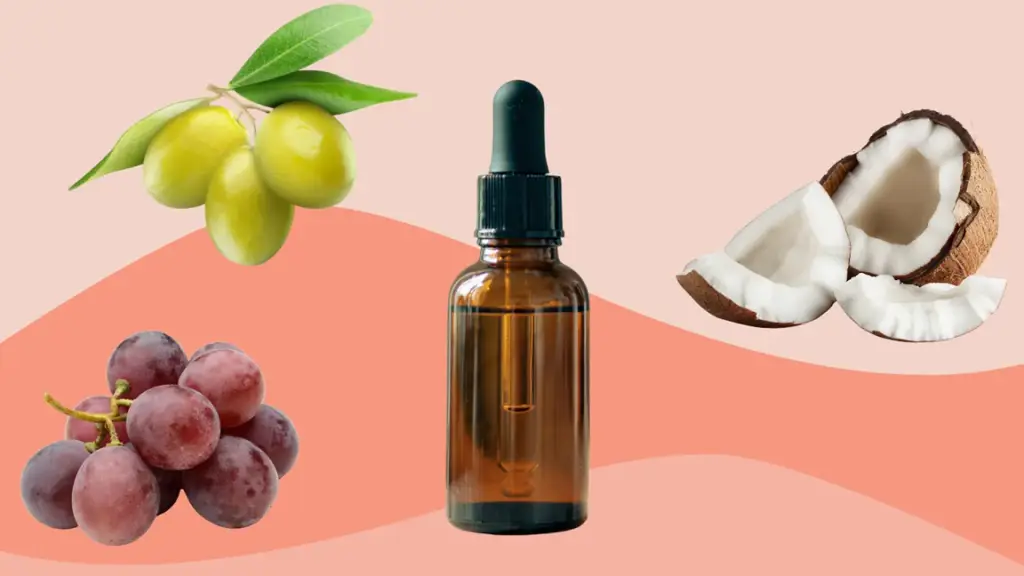
- Baobab Oil: Absorbs quickly and strengthens hair follicles.
- Marula Oil: Adds shine and prevents flaking.
- Castor Oil: Thickens hair and stimulates circulation.
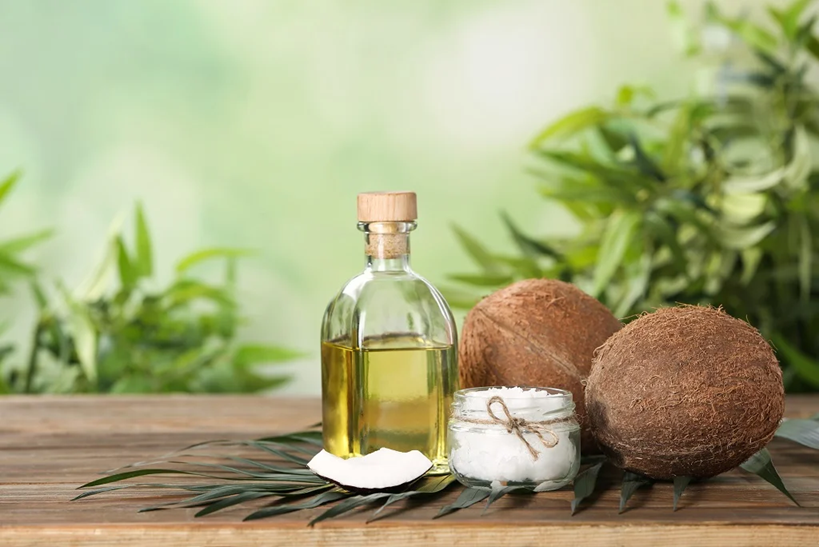
- Coconut Oil: Penetrates the scalp to prevent dryness.
How to Use
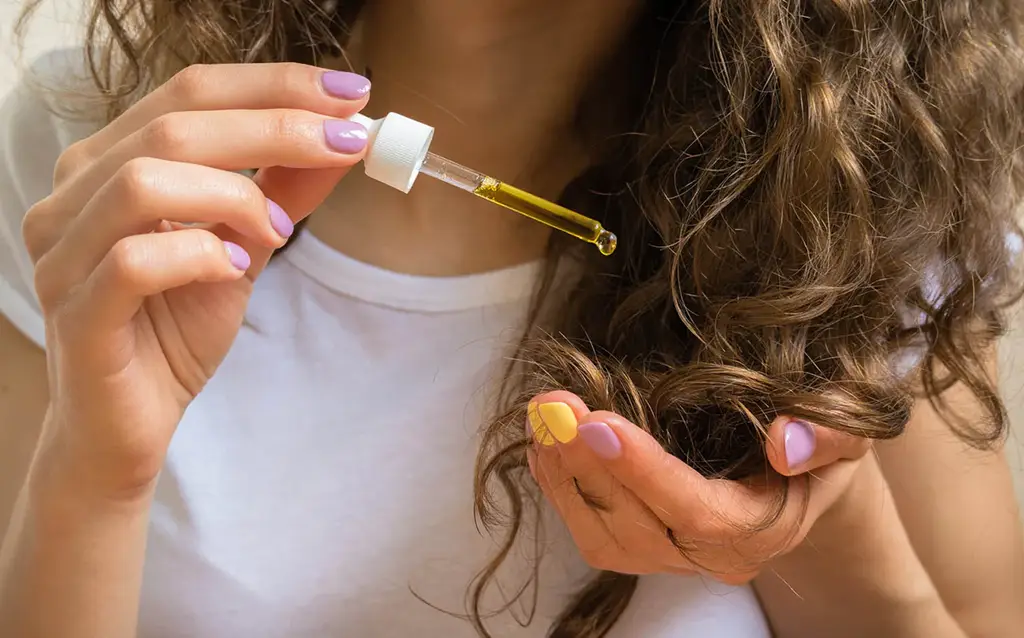
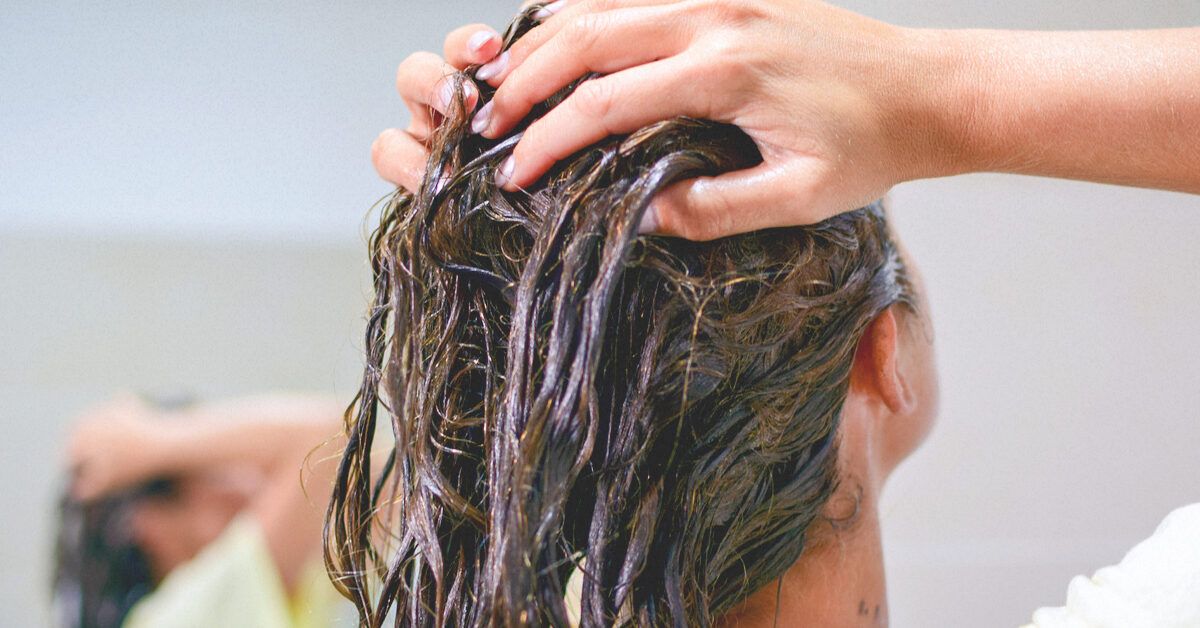
Warm 1–2 tablespoons of oil and massage gently into your scalp for 5–10 minutes. Cover with a shower cap for at least 30 minutes before rinsing or leaving it overnight for deeper repair.
This simple oil massage routine not only rehydrates your scalp but also helps relieve stress and tension — a hidden cause of dryness.
Step 3: Use Weekly Natural Scalp Treatments
Consistent scalp treatments help restore balance and nourish roots.
1. Aloe Vera and Honey Mask
Aloe vera hydrates, while honey locks in moisture.
- Mix equal parts aloe gel and honey.
- Apply to scalp and massage gently.
- Leave on for 20 minutes, then rinse with warm water.
2. Yogurt and Olive Oil Mix
The lactic acid in yogurt exfoliates gently while olive oil softens.
- Combine 2 tablespoons of yogurt with 1 tablespoon of olive oil.
- Apply from roots to ends.
- Rinse after 30 minutes for smooth, flake-free results.
3. Avocado and Shea Butter Mask
Perfect for repairing dryness caused by heat or tight styles.
- Mash half an avocado and mix with 1 tablespoon of shea butter.
- Apply evenly across scalp and hair.
- Leave for 25 minutes, then rinse.
These natural masks feed your scalp with essential nutrients, leaving it moisturized and healthy.
Step 4: Protect Your Scalp Daily
Prevention is the best cure. Keep your scalp protected from dehydration and irritation with small daily habits.
Simple Tips:
- Cover your hair when exposed to harsh sun or cold winds.
- Avoid tight hairstyles that strain your scalp.
- Moisturize regularly — a light daily spritz of water and oil can make a big difference.
- Reduce heat styling and use a heat protectant when necessary.
- Clean your scalp tools like combs and brushes weekly to remove buildup and bacteria.
Your scalp is living skin — it deserves the same care as your face.
Step 5: Nourish from the Inside Out
What you eat has a direct impact on your scalp health. Include these nutrients in your diet:
- Omega-3 fatty acids: Salmon, walnuts, flaxseed — support hydration and elasticity.
- Biotin and Vitamin E: Eggs, avocados, and nuts — strengthen hair from root to tip.
- Zinc and Iron: Spinach, lentils, and lean meat — improve scalp circulation.
- Water: At least 2 liters daily to keep your scalp and skin hydrated.
A nutrient-rich diet paired with consistent hair care ensures long-term results.
Step 6: Create a Balanced Routine
African hair and scalp respond best to consistency, not complicated routines. Try this simple weekly schedule:
Monday: Light scalp massage with marula oil before bed.
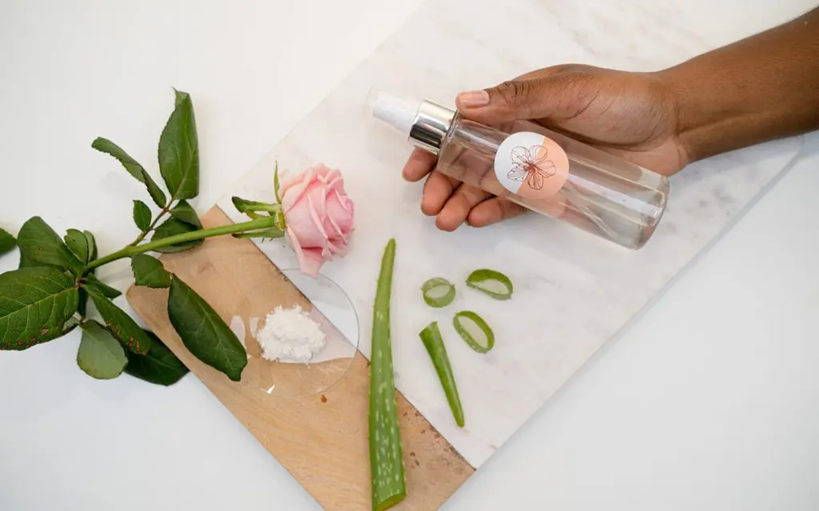
Wednesday: Mist scalp with rosewater or aloe spray for midweek hydration.
Friday/Saturday: Wash with a sulfate-free shampoo and apply a moisturizing mask.
Sunday: Rest day — cover your hair with a silk scarf or bonnet overnight.
This low-maintenance routine keeps your scalp calm, nourished, and balanced year-round.
Where to Buy Authentic Natural Scalp Care Products in South Africa

When treating dry scalp naturally, quality is everything. Many so-called “organic” products contain harsh additives that strip your scalp of moisture. For authentic, sulfate-free products made for African women, shop at Black African.
Why Choose Black African
- 100% pure natural oils — including shea butter, baobab, and marula
- Free from sulfates, parabens, and artificial fragrances
- Designed specifically for African hair and scalp health
- Eco-friendly packaging with nationwide delivery
Black African offers everything you need for scalp hydration — from soothing oils to nourishing butters — all crafted for your unique hair texture and climate. Their philosophy is simple: natural care should be luxurious, authentic, and proudly African.
Climate-Specific Advice for South African Women
Because South Africa’s weather varies so widely, your scalp care should adapt seasonally.
In Dry Inland Areas (Gauteng, Free State):
- Use heavier oils like shea butter and castor oil.
- Deep condition weekly.
- Sleep with a humidifier if possible to add moisture to the air.
In Coastal Regions (Durban, Cape Town):
- Choose lightweight oils like baobab or marula to avoid buildup.
- Rinse your scalp after swimming to remove salt or chlorine.
- Keep hair covered when outdoors for long periods.
Understanding your local environment helps you choose the right natural solutions.
FAQs
What causes scalp dryness in African women?
Scalp dryness often occurs when the scalp skin loses natural oils due to over washing, hot water, or harsh hair care products. Conditions like seborrheic dermatitis, scalp psoriasis, tinea capitis, and atopic dermatitis can worsen dryness and flaking. A weak skin barrier and dry skin can lead to scalp irritation, flaky scalp, or even hair loss if untreated.
What natural remedies help treat a dry itchy scalp?
For itchy scalp relief, use essential oils such as tea tree, known for its anti-inflammatory properties. Combine with a carrier oil like coconut or olive to avoid allergic reaction. Apple cider vinegar and home remedies with anti-inflammatory ingredients can decrease inflammation and balance pH, improving overall health of the scalp.
What are the best treatments for chronic scalp conditions?
If you experience scalp eczema, scalp psoriasis, or persistent skin irritations, try medicated shampoo containing zinc pyrithione, selenium sulfide, coal tar, or salicylic acid. These help treat dandruff and scale softeners reduce buildup. Consult a board-certified dermatologist for the right treatment or antifungal medication if needed.
How can African women prevent scalp dryness long-term?
Use an effective moisturizer or light hair oils for extra moisture and protection. Avoid regular shampoo daily—try co-washing or alternating between moisturizing and clarifying cleansers. Keep body hydration in check and apply home remedies weekly to maintain a healthy hair shaft and resilient scalp.
Conclusion
A dry scalp doesn’t have to be a lifelong struggle. By understanding your scalp’s needs and embracing natural care, you can restore comfort, moisture, and confidence.
Choose gentle, sulfate-free shampoos, treat your scalp with nutrient-rich oils, and follow a routine that nourishes both your hair and spirit.
For African women in South Africa, the future of scalp care lies in returning to nature — and Black African is leading that journey with pure, authentic, and effective products crafted for the beauty and strength of African women.
Because when your scalp is healthy, your hair — and your confidence — naturally thrive.