Blog
Moisturizing Creams vs. Body Oils — Which Works Best for African Skin?


For African women, keeping skin hydrated and glowing is more than a beauty goal — it’s essential for skin health. With South Africa’s diverse climate, from dry inland air to humid coastal regions, melanin-rich skin often faces challenges like dryness, flakiness, and loss of radiance.
Choosing between moisturizing creams and body oils can be confusing, as both offer unique benefits. While creams add lightweight, water-based hydration, oils seal in moisture and provide deep nourishment for dark skin tones. The secret lies in understanding your skin type, lifestyle, and environment.
Whether you prefer the silky touch of a body oil or the soothing comfort of a cream, the right routine helps restore balance, softness, and lasting glow — naturally.
Understanding African Skin and Its Unique Needs
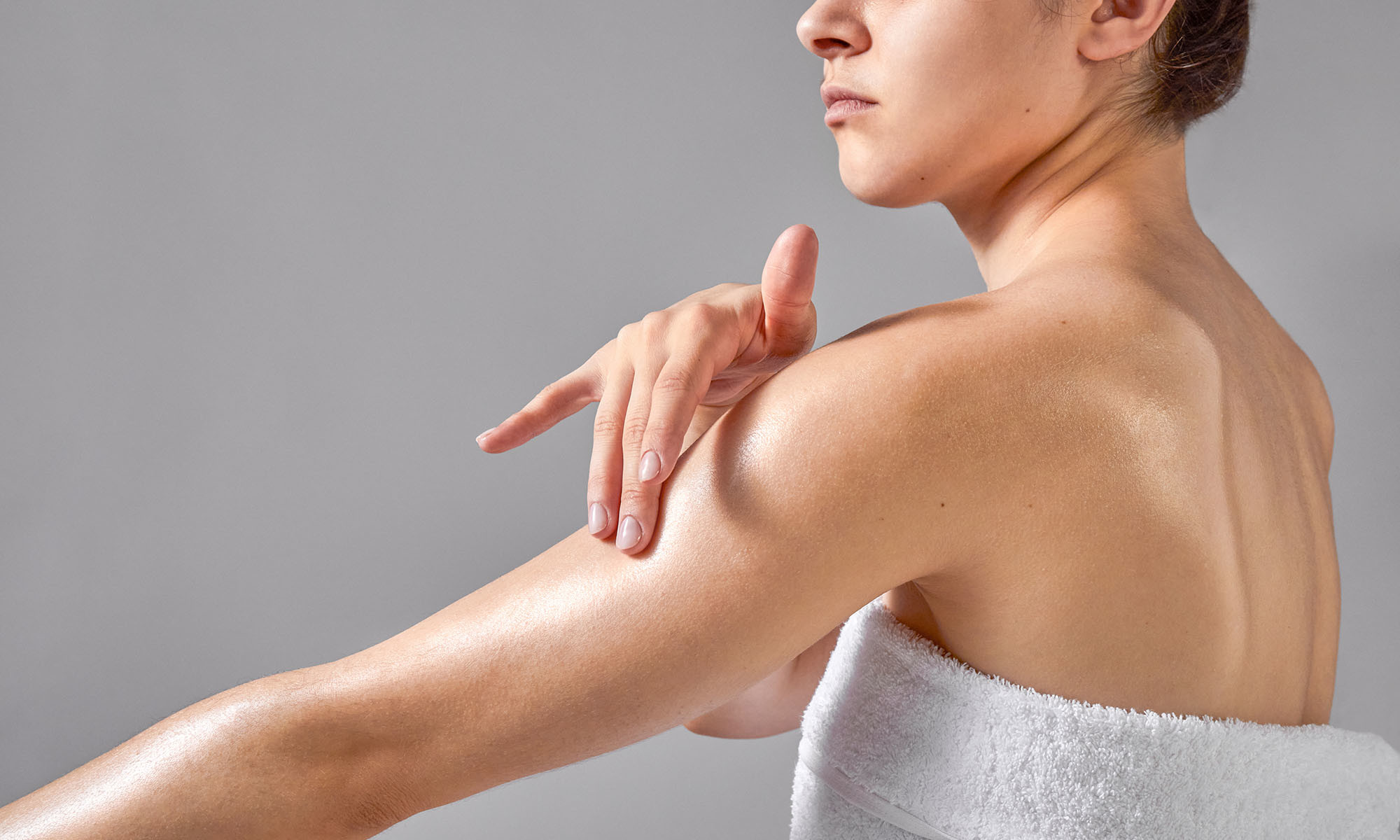
African skin is rich in melanin, giving it natural protection from UV rays and a beautiful, radiant tone. However, this same melanin-rich skin often experiences dryness, uneven tone, and hyperpigmentation when not properly moisturized. The thicker dermal layer makes it more resilient, yet it can lose moisture quickly, especially in South Africa’s dry and sunny climate.
Maintaining a strong skin barrier is essential to prevent flakiness and irritation. African skin also benefits from ingredients that lock in hydration, like shea butter, baobab oil, and aloe vera. Because of its tendency toward dry skin, regular moisturization, gentle exfoliation, and sun protection are key to preserving softness, elasticity, and a healthy natural glow throughout the year.
What Are Moisturizing Creams?
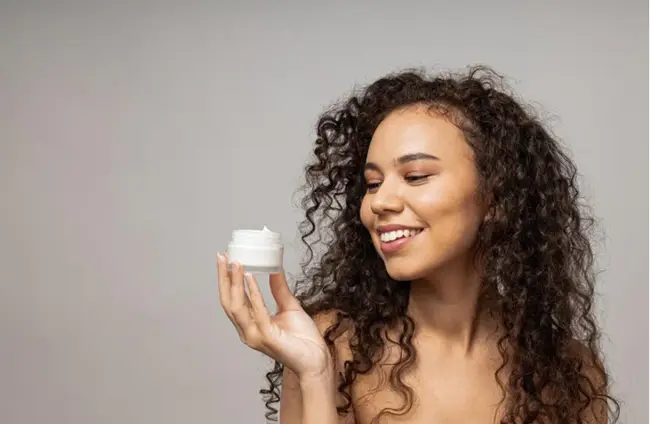
Moisturizing creams are water-based skincare products designed to hydrate and soften dry skin. They combine humectants (like glycerin or hyaluronic acid) that draw moisture into the skin, emollients that smooth the surface, and occlusives that lock hydration in. For African skin, which tends to lose moisture quickly due to its rich melanin structure and exposure to South Africa’s dry climate, creams help maintain a balanced skin barrier.
Lightweight and fast-absorbing, they provide daily nourishment without leaving a greasy feel. Natural ingredients such as shea butter, aloe vera, and vitamin E further enhance hydration and protect against environmental damage. Regular use keeps melanin-rich skin soft, even-toned, and radiant — especially when applied after cleansing or showering.
What Are Body Oils?
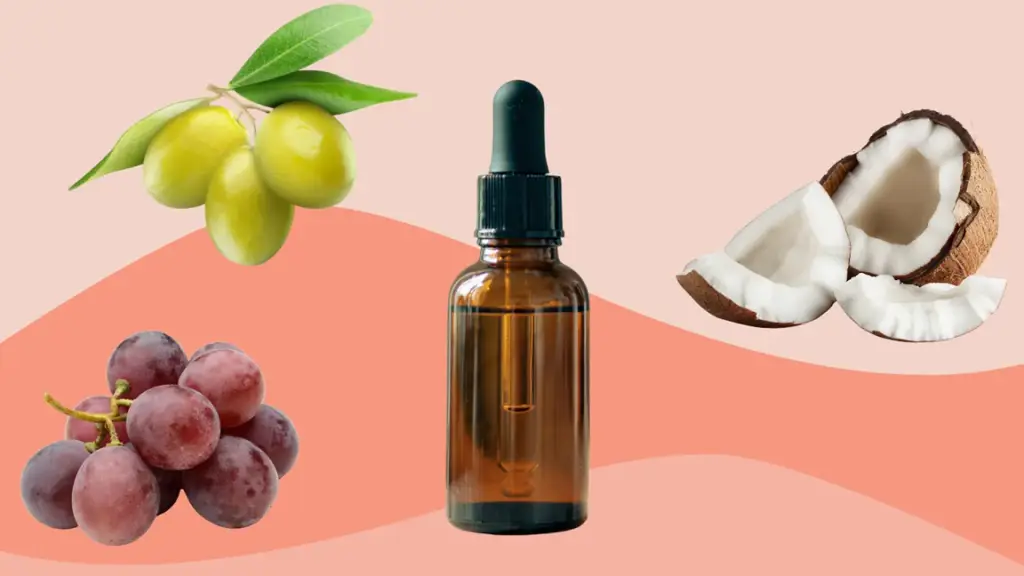
Body oils are rich, oil-based moisturizers that deeply nourish and seal hydration into the skin. Unlike water-based moisturizing creams, they contain no water, relying instead on natural oils like coconut oil, marula oil, baobab oil, and jojoba oil to form a protective layer over the skin. This barrier helps retain moisture, soften rough areas, and improve elasticity — ideal for dry skin or melanin-rich skin exposed to South Africa’s dry winds and sun.
Body oils work best when applied to damp skin, allowing them to lock in water and enhance glow. They also improve the skin barrier, reduce stretch marks, and enhance radiance. Perfect for evening routines, body oils leave dark skin smooth, luminous, and naturally hydrated without harsh chemicals.
Key Differences Between Moisturizing Creams and Body Oils
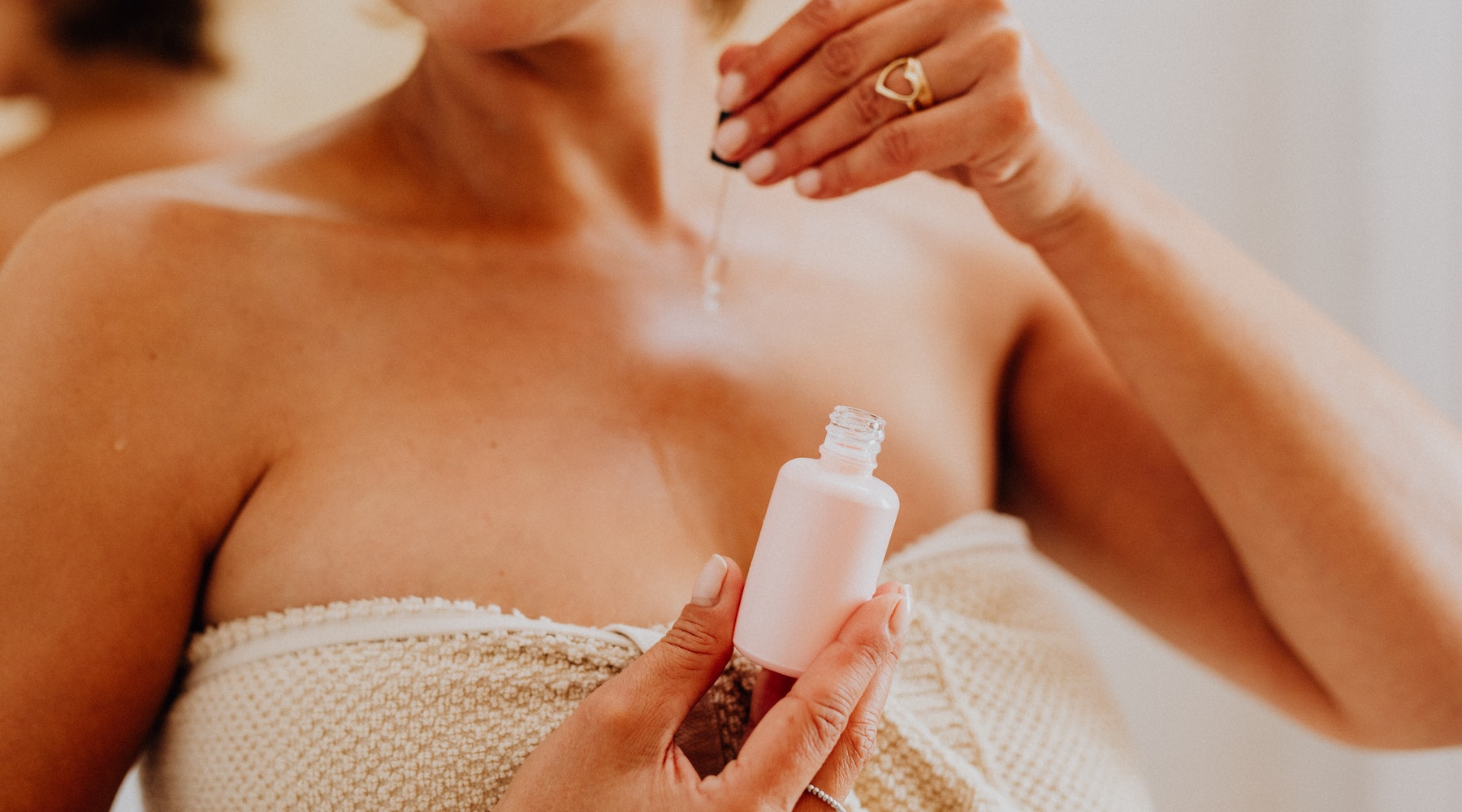
Both moisturizing creams and body oils play essential roles in maintaining soft, glowing, and healthy African skin. However, they work in different ways — creams add hydration, while oils lock it in.
Understanding their differences helps you choose what works best for your skin type and South Africa’s diverse climate.
1. Formulation and Texture
Moisturizing creams are water-based and often contain a blend of humectants, emollients, and occlusives. Humectants like hyaluronic acid and glycerin draw moisture into the skin, emollients soften texture, and occlusives create a protective barrier. The result is a light, smooth consistency that absorbs quickly without feeling greasy.
Body oils, on the other hand, are purely oil-based. They contain no water, which means they don’t add hydration but instead seal in existing moisture. Oils such as marula, baobab, and coconut oil nourish deeply and leave a natural sheen, though they can feel heavier on humid days.
2. Hydration vs. Moisture Retention
Creams are best for hydration — they deliver water to the skin and keep it soft and plump. They are ideal for everyday use, especially in hot or coastal regions like Durban or Cape Town, where humidity already helps maintain moisture levels.
Body oils excel at moisture retention. They work best when applied to damp skin after a shower, helping the skin retain hydration by forming a protective seal. This makes them perfect for South Africa’s drier inland areas such as Gauteng or the Free State, where the air often strips moisture from the skin.
3. Climate and Seasonal Suitability
In warmer, humid regions, moisturizing creams are more comfortable since they absorb quickly and won’t feel sticky. They are excellent for people with oily skin or combination types, providing hydration without clogging pores.
During colder months or in dry environments, body oils are ideal. Their richer texture creates a barrier that prevents dryness, flakiness, and irritation — common problems for melanin-rich skin exposed to harsh winter winds or heaters.
4. Skin Type Compatibility
- Dry Skin: Needs both — start with a moisturizing cream to hydrate, then layer a body oil to seal in moisture.
- Oily Skin: Creams with aloe vera or vitamin C work best, as they hydrate lightly without excess shine.
- Sensitive Skin: Opt for fragrance-free, natural oils like baobab or jojoba, which calm and repair the skin barrier.
5. Longevity and Finish
Creams offer quick absorption and immediate softness, making them ideal for morning routines before dressing. Body oils provide long-lasting suppleness and a radiant glow, perfect for nighttime nourishment or special occasions. Oils give dark skin a luminous finish that enhances its natural beauty.
6. The Best of Both Worlds
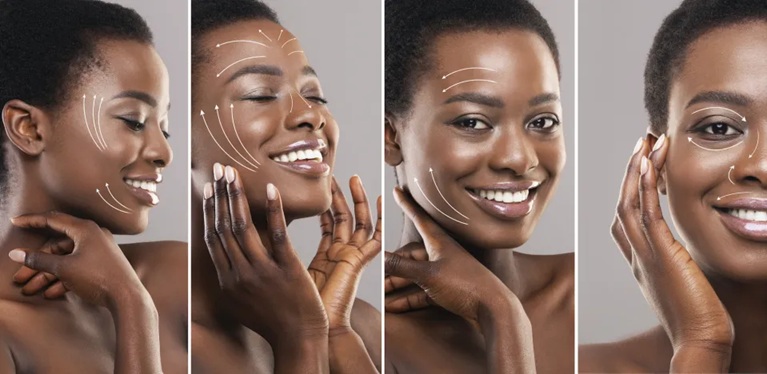
Many women find that using both products together works best. Apply a moisturizing cream first to hydrate, then layer a body oil to lock in moisture and boost radiance. This combination keeps the skin supple, reduces dry patches, and enhances elasticity.
Both moisturizing creams and body oils are essential for maintaining African skin’s natural glow. Creams hydrate from within, while oils protect and seal. The key is to choose according to your skin type, climate, and personal preference — or combine both for the ultimate balance of softness, strength, and shine.
Benefits of Moisturizing Creams for African Skin

Moisturizing creams are essential for keeping African skin hydrated, supple, and glowing. Because melanin-rich skin tends to lose moisture quickly — especially in South Africa’s dry and sunny climate — creams play a vital role in maintaining a balanced skin barrier and preventing dryness, irritation, and flakiness.
1. Deep Hydration for Dry Skin
One of the biggest advantages of moisturizing creams is their ability to deliver intense hydration. Their water-based formula replenishes the skin’s moisture levels and prevents dehydration. Ingredients like hyaluronic acid, glycerin, and aloe vera draw water into the skin, making it look smoother and plumper. This is especially important for African skin, which can appear dull or ashy when dry.
2. Strengthens the Skin Barrier
Moisturizing creams reinforce the natural skin barrier, protecting against environmental aggressors like wind, sun, and pollution. The combination of shea butter, vitamin E, and ceramides creates a shield that locks in moisture and keeps irritants out. This helps reduce sensitivity, redness, and inflammation — particularly for those with sensitive skin or mild eczema.
3. Evens Skin Tone and Reduces Flakiness
Consistent use of moisturizing creams helps improve skin texture and tone. By hydrating deeply, they reduce flakiness and promote a smoother appearance. Some creams also contain vitamin C or niacinamide, which help fade dark spots and maintain an even, radiant complexion — ideal for dark skin tones that are prone to hyperpigmentation.
4. Lightweight and Non-Greasy
Unlike some heavy oils, creams are formulated for quick absorption, leaving the skin soft without a greasy residue. This makes them perfect for daily use, even in humid cities like Durban or Cape Town. People with oily or acne-prone skin also benefit from lightweight, water-based creams that hydrate without clogging pores.
5. Ideal for Daily Maintenance
Because of their versatility, moisturizing creams fit easily into any skin care routine. They can be used in the morning to prep the skin for sunscreen or makeup and at night for overnight nourishment.
Benefits of Body Oils for African Skin

Body oils have long been a staple in African beauty traditions, valued for their ability to nourish, protect, and enhance melanin-rich skin. Unlike moisturizing creams, which are water-based, body oils are concentrated blends of natural plant oils that deeply condition the skin while creating a protective barrier to retain moisture.
1. Deep Nourishment and Lasting Hydration
Body oils penetrate the skin, replenishing essential fatty acids and vitamins that help restore elasticity and softness. Oils like coconut oil, marula oil, and baobab oil are rich in antioxidants and omega fatty acids that strengthen the skin barrier. When applied to damp skin after a shower, they seal in hydration, leaving the skin supple and radiant all day.
2. Enhances Natural Glow and Skin Tone
One of the most loved benefits of body oils is their ability to bring out the natural radiance of dark skin tones. Oils create a subtle, luminous sheen that enhances the skin’s depth and richness without clogging pores. They also help reduce dullness and rough patches caused by dry skin or harsh weather.
3. Soothes and Protects Sensitive Skin
For people with sensitive skin, natural oils such as jojoba, olive, or grapeseed oil are gentle yet effective. They calm inflammation, relieve irritation, and help heal minor dryness or itchiness. These oils are especially beneficial in South Africa’s dry inland regions, where low humidity can strip the skin of its natural oils.
4. Promotes Elasticity and Reduces Scarring
Body oils rich in vitamin E and vitamin A improve elasticity, reduce the appearance of stretch marks, and help the skin heal faster.
Can You Use Both Together?
Yes — using moisturizing creams and body oils together can be one of the most effective ways to care for African skin.
Each product serves a unique purpose: creams hydrate the skin by delivering water-based moisture, while oils seal in that hydration to prevent loss and strengthen the skin barrier. To maximize results, apply your moisturizing cream first, then layer a thin amount of body oil on top while the skin is still slightly damp.
This combination locks in moisture, enhances elasticity, and leaves melanin-rich skin smooth, soft, and radiant. It’s especially beneficial during South Africa’s dry winters or in areas with harsh winds. Using both together provides balanced nourishment — ensuring your dark skin remains healthy, hydrated, and beautifully luminous throughout every season.
Choosing the Right Option for Your Skin Type

- Dry Skin: Go for rich body oils like shea butter, coconut oil, or baobab oil. These seal in moisture and prevent flakiness — ideal for South Africa’s dry inland regions. You can also layer a moisturizing cream underneath for added hydration.
- Oily Skin: Choose lightweight moisturizing creams with aloe vera, vitamin C, or hyaluronic acid. These hydrate without clogging pores or leaving shine. Avoid heavy oils that may increase greasiness.
- Combination Skin: Use a cream on oilier areas (like the T-zone) and a body oil on drier zones such as elbows, knees, and legs.
- Sensitive Skin: Opt for fragrance-free, natural products like marula oil or gentle creams with aloe vera to soothe and calm irritation.
- Mature Skin: Rich body oils with vitamin E or argan oil improve elasticity and help reduce fine lines while keeping dark skin supple.
DIY Natural Moisturizer Blends
Creating your own natural moisturizer blends is a simple and affordable way to nourish African skin without harsh chemicals.
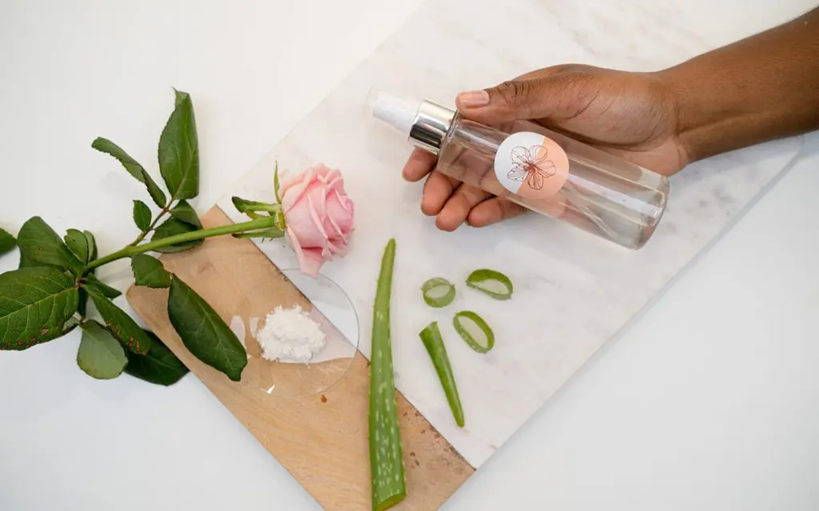
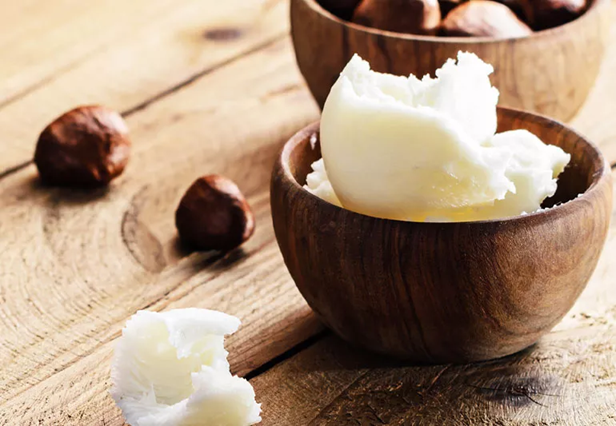
Start with shea butter as a base — it softens dry skin and locks in moisture. Mix it with coconut oil or marula oil for extra shine and elasticity. For lightweight hydration, combine aloe vera gel with baobab oil to create a soothing, fast-absorbing lotion.
If you want a glow-enhancing balm, blend honey, vitamin E oil, and shea butter for deep nourishment and a luminous finish. These blends restore balance to melanin-rich skin, protect the skin barrier, and can be customized for any skin type — keeping your skin smooth, radiant, and naturally healthy year-round.
Common Mistakes to Avoid
- Skipping sunscreen: Even dark skin needs SPF protection to prevent hyperpigmentation and sun damage.
- Applying oil on dry skin: Always apply body oils on damp skin to help retain moisture effectively.
- Using too much product: Overapplying creams or oils can clog pores and make oily skin greasy.
- Ignoring skin type: Not every product suits all — choose formulas tailored to your skin’s needs.
- Mixing random products: Combining incompatible ingredients may irritate sensitive skin or weaken the skin barrier.
- Neglecting exfoliation: Failing to remove dead skin cells can block absorption of creams and oils.
- Being inconsistent: Skipping daily moisturization prevents visible results — consistent care keeps African skin smooth, hydrated, and radiant.
Choose Black African Organics for Deep, Lasting Hydration
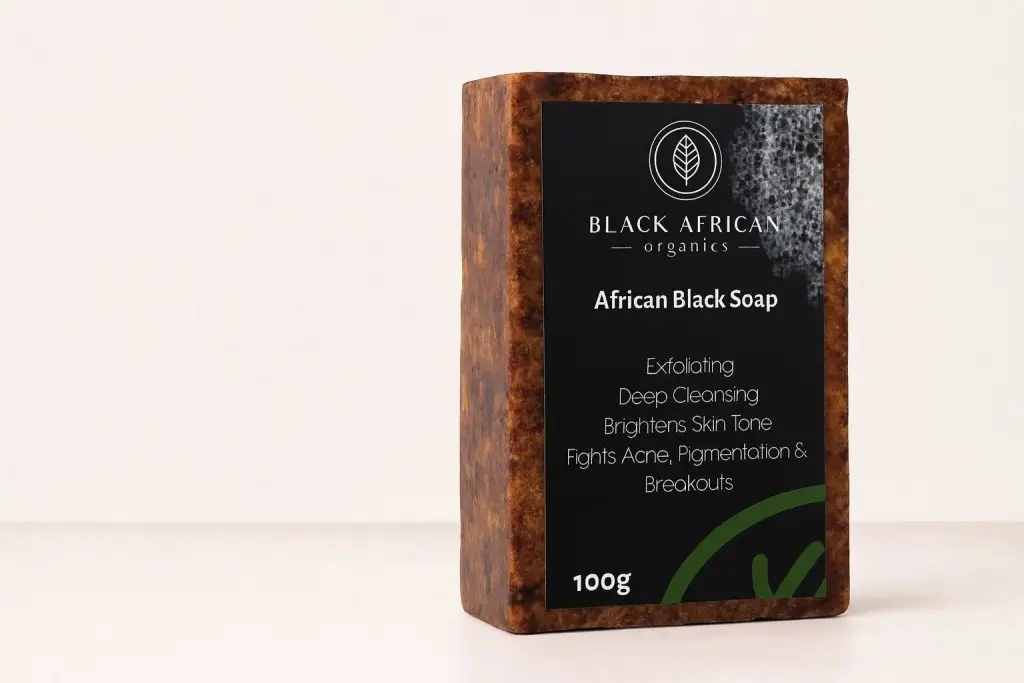
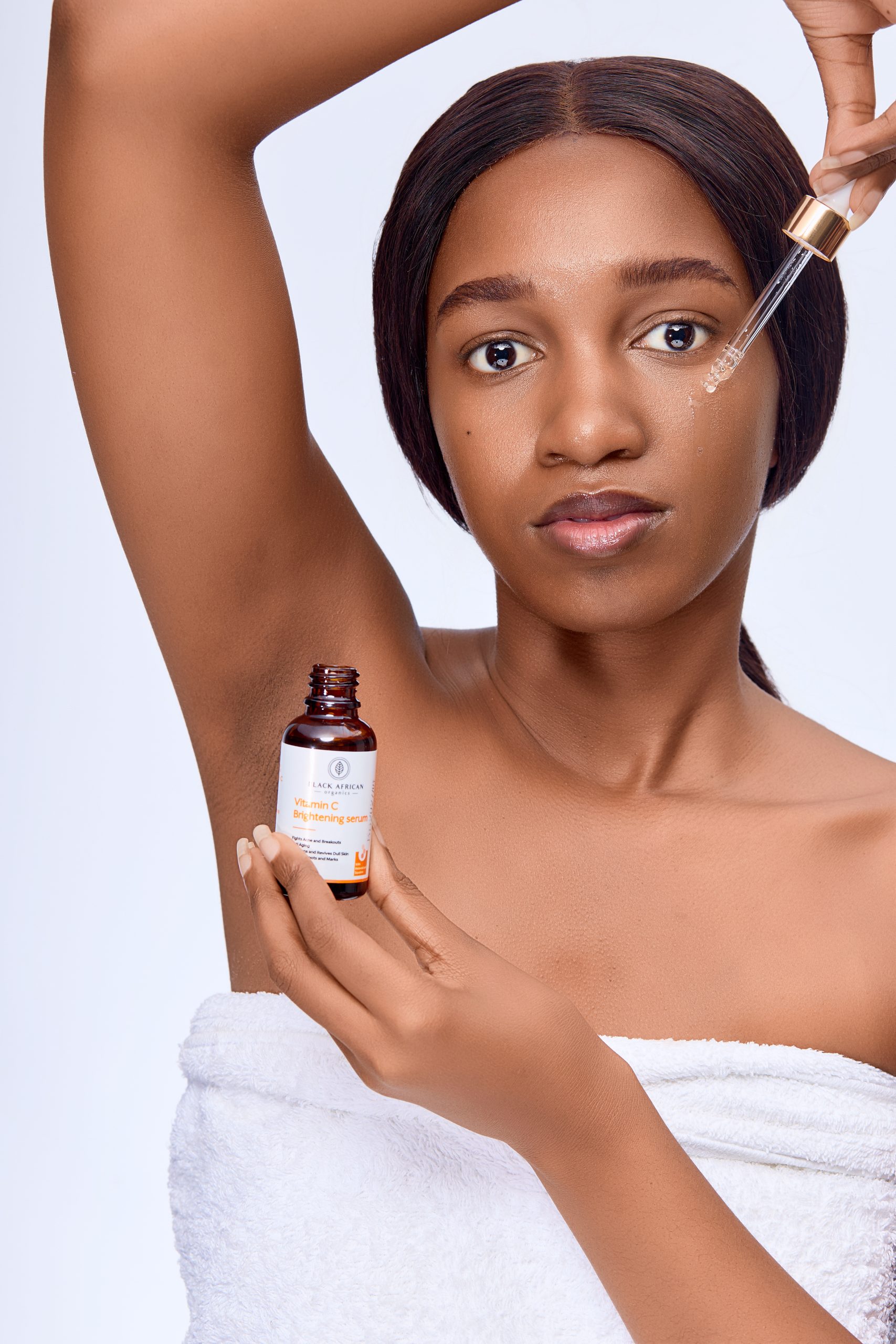
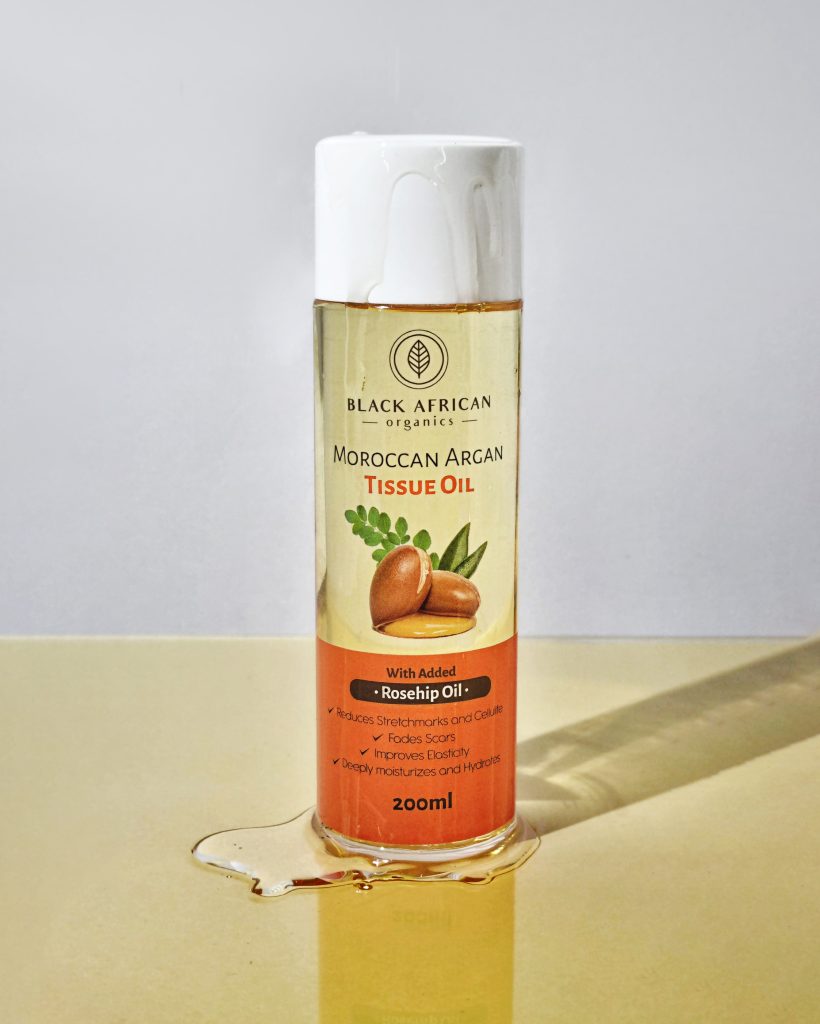
At Black African Organics, we understand the unique needs of melanin-rich skin — from dryness and flakiness to maintaining that natural, radiant glow. Our moisturizing creams and body oils are crafted from Africa’s most nourishing botanicals, including shea butter, marula oil, baobab oil, aloe vera, and rooibos extract.
Our moisturizing creams provide lightweight, water-based hydration that absorbs quickly, while our body oils deeply nourish and seal in moisture for soft, luminous skin. Both are vegan, sulphate-free, and paraben-free, ensuring gentle care that enhances your skin’s natural balance and beauty.
Whether you need an everyday moisturizer or a rich night oil, Black African Organics offers the perfect solution for every skin type and climate — keeping African skin healthy, smooth, and glowing all year round.
FAQs
What’s the difference between moisturizing creams and body oils for African skin?
Body oils provide intense hydration and help seal moisture into the skin’s surface, while body lotions offer lightweight hydration that absorbs quickly. For dry or sensitive skin, oils like jojoba oil or coconut oil create a protective barrier that strengthens the skin barrier and prevents water loss. Lotions, on the other hand, work well for normal to oily skin and offer smoother, non-greasy coverage.
Which works better for different skin types?
For dry skin or mature skin, the benefits of body oil include deep nourishment and supple skin. Body lotion is ideal for oily skin types or combination skin since it hydrates without leaving a greasy residue. Both can be used on damp skin after showering for skin glowing results.
Can body oils clog pores or worsen acne?
Some natural oils—especially shea butter and coconut oil—may clog pores in acne-prone skin. Choose non-comedogenic skincare products containing essential fatty acids, vitamin C, or aloe vera to maintain skin hydrated without irritation.
How can I combine both in a skincare routine?
Apply body lotion first for lightweight hydration, then seal it with the best body oil to lock in moisture. This layering boosts deep hydration, prevents uneven skin tone, and protects against harmful UV rays. Regular use enhances natural glow, softens texture, and keeps your skin radiant year-round.
Conclusion
Both moisturizing creams and body oils play vital roles in maintaining healthy, radiant African skin — the key is understanding how and when to use them.
Moisturizing creams provide essential hydration, strengthen the skin barrier, and are perfect for daily use, especially in warmer or humid climates. Body oils, on the other hand, deeply nourish and retain moisture, making them ideal for dry skin or colder, windy conditions.
For best results, many women use both together — applying cream first, then oil to lock in hydration and enhance glow. Whether you prefer the silky texture of a cream or the rich comfort of oil, consistency and balance will keep melanin-rich skin soft, smooth, and beautifully radiant year-round.