Blog
Self-Care Tips for African Women: Natural Beauty from Head to Toe

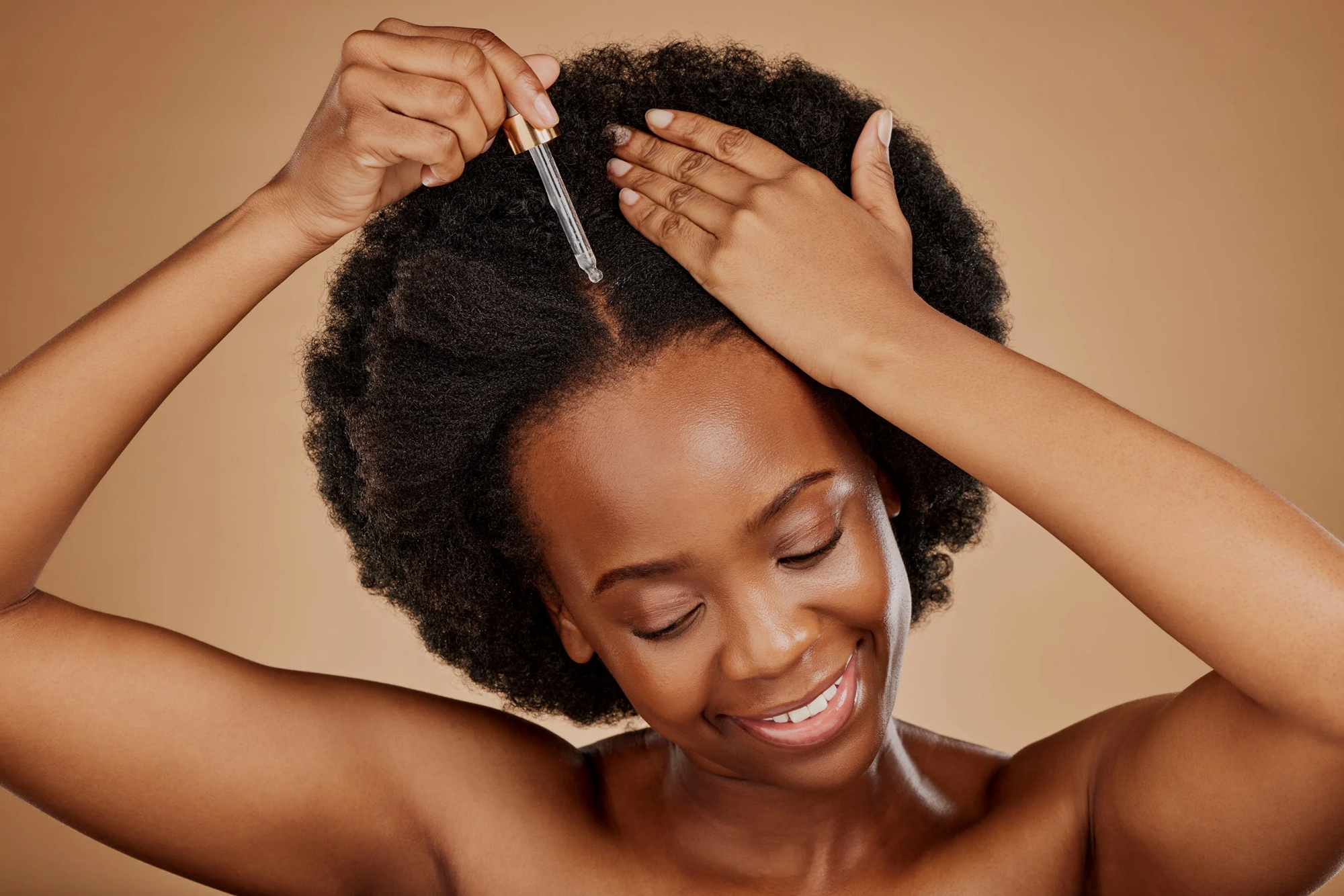
Self-care for African women is more than a trend — it’s a return to roots, balance, and authentic beauty. Across South Africa and the continent, natural beauty rituals have long been a symbol of pride, wellness, and connection to nature.
From nourishing melanin-rich skin with shea butter to strengthening textured hair with marula oil and coconut oil, embracing natural self-care means celebrating who you are from head to toe. In today’s fast-paced world, it’s easy to neglect the body and spirit, but true radiance comes from within — through rest, nourishment, and mindfulness.
This guide explores holistic self-care tips designed for African women, helping you glow naturally, maintain confidence, and honor your beauty, culture, and well-being every single day.
Understanding African Beauty and Wellness

African beauty is deeply rooted in wellness, self-expression, and connection to nature. For centuries, African women have embraced natural ingredients like shea butter, baobab oil, and aloe vera to nourish their skin and hair, long before modern beauty brands existed.
In South Africa and beyond, beauty has always been holistic — blending physical care with emotional balance, spiritual grounding, and community connection. Unlike Western beauty ideals focused on perfection, African wellness emphasizes harmony, self-love, and authenticity. Traditional rituals such as herbal baths, scalp massages, and clay masks are not just for appearance but for renewal and healing.
Understanding African beauty means recognizing that radiance comes from within — through health, mindfulness, and celebrating one’s natural features, culture, and confidence.
Hair Care: Celebrating African Textures
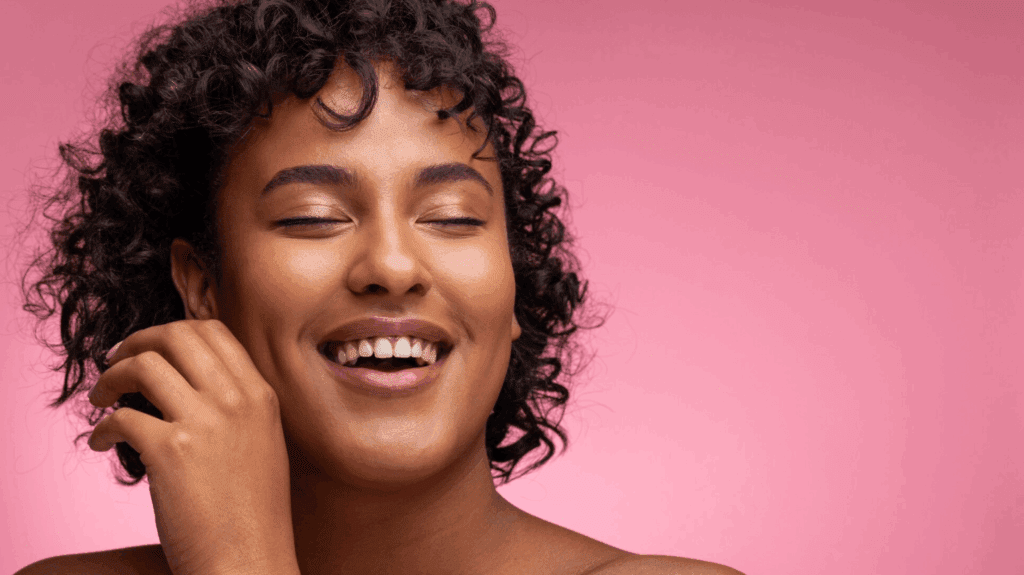
African hair is a symbol of strength, beauty, and identity. From natural curls and coils to braids and locs, every texture tells a story of culture and heritage. However, due to its unique structure, African hair needs special care and nourishment to thrive.
Embracing natural textures begins with understanding their needs — moisture, gentleness, and consistency.
1. Understanding African Hair Structure
African hair tends to have a tightly coiled structure, which makes it naturally drier than other hair types. The twists and turns of each strand make it harder for natural oils from the scalp to travel down to the ends.
This often results in dry hair, hair breakage, and tangling if not properly moisturized. The key to managing this lies in adopting a hydrating hair care routine designed to protect and nourish the strands from root to tip.
2. Cleansing and Hydration
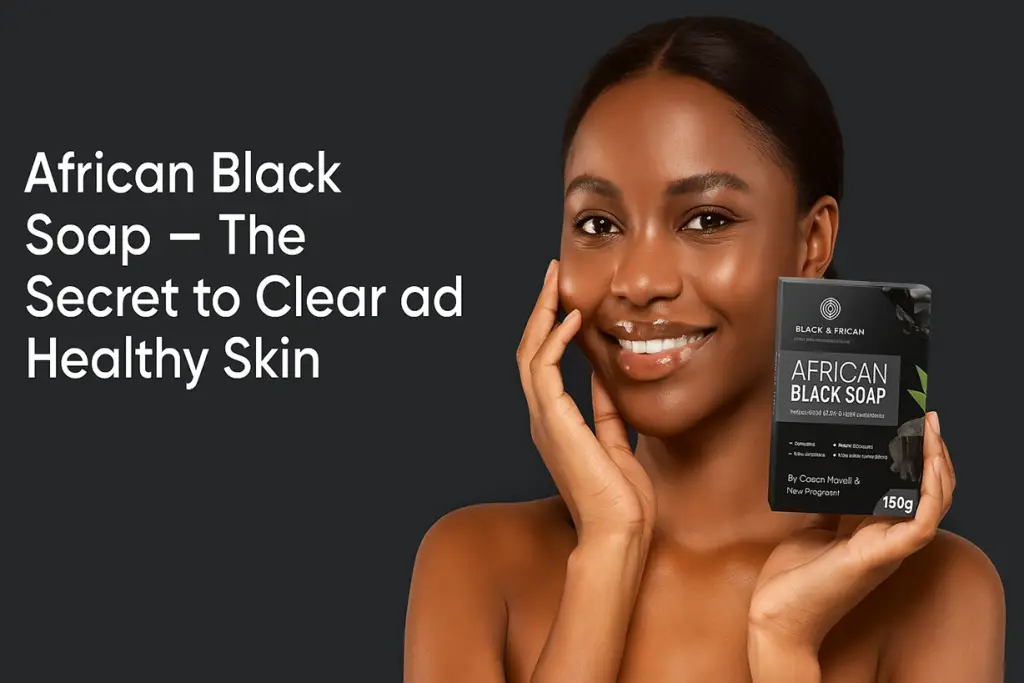
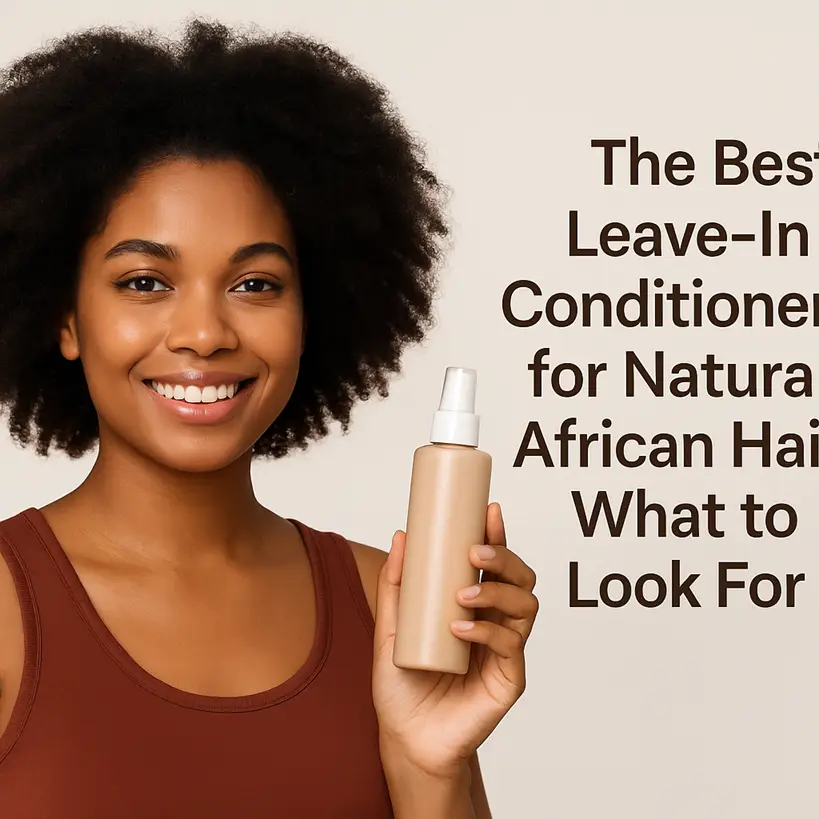
Washing African hair too often can strip away essential oils. Instead, cleanse once a week or every 10 days using a sulfate-free shampoo or a natural cleanser like aloe vera or black soap. After cleansing, apply a deep conditioner rich in shea butter or coconut oil to restore lost moisture. In South Africa’s dry inland climate, sealing in hydration is vital — follow up with a leave-in conditioner or lightweight oil to lock in moisture and reduce frizz.
3. Moisturizing and Sealing
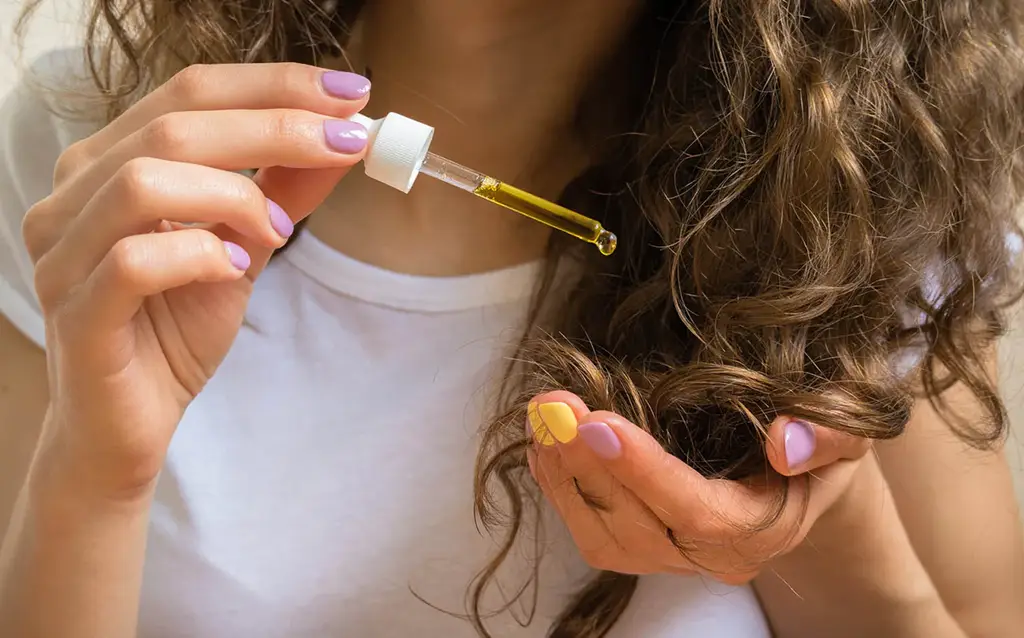
African hair thrives on moisture. Use the LOC method — Liquid (water), Oil, and Cream — to keep hair soft and manageable. Spritz your hair with water or aloe vera juice, apply nourishing oils like baobab or marula oil, and finish with a creamy moisturizer. This layering technique ensures lasting hydration and protection against breakage, helping maintain elasticity and shine.
4. Protective Styling and Scalp Care
Protective hairstyles such as braids, twists, and bantu knots reduce manipulation and hair damage. However, they should never be too tight, as this can cause tension and lead to hair breakage or even traction alopecia.
Give your scalp the care it deserves — massage it with warm oil two to three times a week to stimulate hair growth and improve blood circulation. Use lightweight oils such as castor or peppermint-infused oil for extra nourishment.
5. Nighttime Routine and Protection
Protect your hair while you sleep by using a satin or silk bonnet, scarf, or pillowcase. Cotton absorbs moisture, leaving your hair dry and prone to tangles. A satin covering helps retain hydration and maintain your hairstyle longer. You can also loosely braid or twist your hair before bed to prevent matting and breakage.
6. Loving Your Natural Texture
The most important part of hair care is acceptance and patience. African hair grows beautifully when handled with love and consistency. Regular trims, hydration, and gentle styling are key to achieving strong, healthy hair growth. Celebrate your texture — whether you wear your hair in its natural state, in locs, or in protective styles — because African hair isn’t just hair; it’s heritage, beauty, and strength woven into every strand.
Skin Care: Radiance through Nature

African skin is naturally radiant, resilient, and rich in melanin — the pigment that gives it its beautiful tone and built-in sun protection. Yet, despite its strength, melanin-rich skin requires consistent care to stay healthy and glowing.
Environmental factors such as South Africa’s intense sunlight, dry winters, and urban pollution can dull the skin’s appearance or lead to uneven tone. Achieving radiance through nature means embracing gentle, nourishing routines and natural ingredients that protect and enhance your skin without harsh chemicals.
1. Understanding Melanin-Rich Skin
Melanin provides natural protection from UV rays but can also make the skin more prone to hyperpigmentation when irritated or exposed to harsh products. African skin tends to have a thicker dermis and retains moisture differently, meaning that hydration and balance are essential. The goal is to preserve the skin’s natural barrier function while maintaining even tone, softness, and glow.
2. Cleansing with Care
Proper cleansing is the foundation of good skincare. Instead of alcohol-based cleansers that strip natural oils, opt for gentle, pH-balanced formulas or natural alternatives like African black soap or aloe vera gel. Cleansing removes sweat, makeup, and impurities without drying the skin. For city dwellers exposed to pollution, double cleansing with natural oils such as coconut oil or jojoba oil followed by a mild cleanser helps remove buildup effectively.
3. Natural Exfoliation for Smoothness
Regular exfoliation helps remove dead skin cells, unclog pores, and promote cell renewal. Over-exfoliating, however, can cause micro-tears and uneven pigmentation. Use gentle, natural exfoliants such as ground coffee, brown sugar, or oats mixed with honey.
For chemical exfoliation, try lactic acid–rich yogurt or papaya, which naturally dissolve buildup and reveal brighter, smoother skin. Exfoliating once or twice a week keeps your complexion vibrant without irritation.
4. Deep Moisturizing and Hydration
African skin thrives on moisture. Apply natural emollients like shea butter, baobab oil, or marula oil to lock in hydration, especially after bathing when the skin is still slightly damp. These oils not only soften and repair dry skin but also restore elasticity.
In South Africa’s dry Highveld regions, combining aloe vera gel with oils creates a perfect balance between hydration and nourishment. Drink plenty of water and herbal teas like rooibos, known for its antioxidant benefits, to keep your skin glowing from the inside out.
5. Sun Protection and Even Tone
Even though darker skin tones have natural UV resistance, sunscreen is still essential to prevent hyperpigmentation and premature aging. Choose a broad-spectrum SPF 30 or higher, preferably with natural minerals like zinc oxide. For brightening uneven tone, use vitamin C serums or rosehip oil to fade dark spots gently over time.
6. The Natural Glow Mindset
Radiant skin is not achieved overnight — it’s nurtured through consistency, self-care, and balance. Pair your skincare rituals with a balanced diet rich in fruits, vegetables, and essential fatty acids. Prioritize rest, hydration, and positive mental wellness. Remember, African beauty shines brightest when it is natural, authentic, and deeply cared for — a reflection of health, confidence, and inner peace glowing through your skin.
Body Care and Wellness
Caring for your body is an essential part of self-care, and for African women, it means blending traditional wisdom with modern wellness. The South African climate — from humid coasts to dry inland regions — can leave skin dehydrated, so daily moisturization is key. Natural oils like shea butter, marula oil, and coconut oil deeply nourish the skin, restoring elasticity and radiance. Regular exfoliation with homemade scrubs made from brown sugar, coffee grounds, or sea salt removes dead skin cells, leaving the body soft and glowing.
Wellness also extends beyond skincare. A balanced diet rich in fruits, vegetables, and essential fatty acids supports smooth, supple skin and healthy hair growth. Staying hydrated and drinking rooibos tea helps flush out toxins and maintain a natural glow. Physical activity — from yoga to walking — improves circulation, while adequate rest allows the body to rejuvenate.
Incorporating African-inspired rituals such as clay body masks or herbal steam baths can further detoxify and calm the body. True beauty is rooted in wellness — when your body feels nourished, your skin glows, your energy rises, and your confidence shines from the inside out.
How Does Mental and Emotional Self-Care Contribute to Inner Beauty?
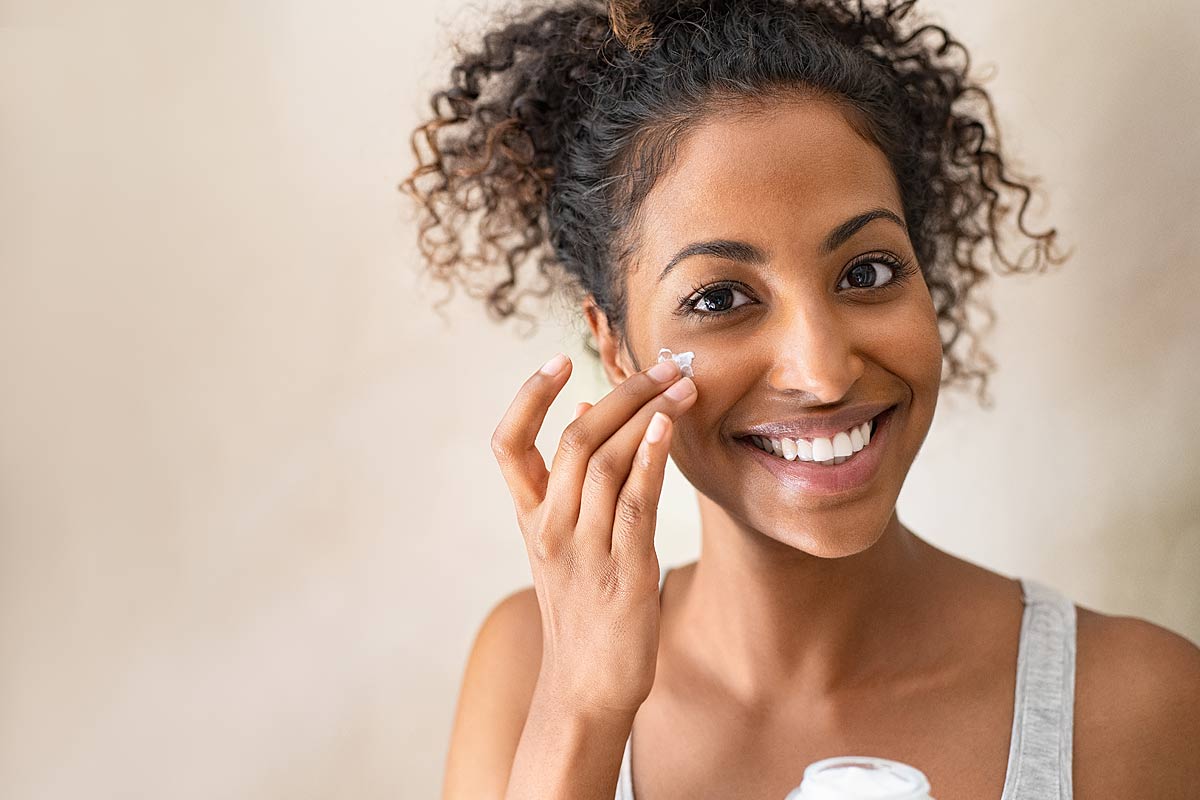
True beauty extends far beyond flawless skin or perfectly styled hair — it radiates from within. For African women, who often balance demanding work, family, and community roles, mental and emotional self-care are not luxuries but essentials. Inner beauty blossoms when the mind is calm, the emotions are balanced, and the spirit feels nourished.
Taking care of your inner world directly reflects on your outer appearance — from your posture and smile to the natural glow of your skin.
1. The Mind-Body Connection
Science shows that the mind and body are deeply connected. When stress levels rise, the body releases cortisol — a hormone that, in excess, contributes to hair breakage, acne, dull skin, and fatigue. Chronic stress can also slow healthy hair growth and cause hair falling due to hormonal imbalance. Emotional tension affects sleep quality and digestion, which in turn disrupt the body’s ability to absorb nutrients vital for skin and hair health.
In contrast, when your mind is at peace, your body functions optimally. Blood circulation improves, delivering oxygen and nutrients to the scalp and skin, while hormones stay balanced. Simply put, emotional balance equals physical radiance.
2. Stress Management for Natural Radiance
Managing stress is one of the most powerful forms of self-care. In South Africa’s fast-paced modern lifestyle, work pressure, financial strain, or family responsibilities can easily lead to burnout. Stress doesn’t just exhaust your mind — it visibly dulls your skin and drains your natural glow.
Adopting mindful practices such as meditation, journaling, or prayer helps release tension and restore emotional clarity. Spending time outdoors — whether walking barefoot on the grass, sitting by the ocean, or hiking through the bush — grounds the body and reconnects you to nature. This grounding, known in African healing traditions, restores both mental peace and energetic balance.
3. Positive Self-Talk and Self-Love
Inner beauty begins with how you speak to yourself. Many women unconsciously engage in self-criticism, comparing themselves to unrealistic beauty standards. Replacing self-judgment with kindness and gratitude transforms not only your mindset but also your energy. When you view yourself with love and respect, you radiate confidence — an unmistakable part of beauty.
Affirmations like “I am beautiful, whole, and enough” can reshape your emotional reality. Surround yourself with people who uplift you and engage in activities that make you feel joyful — whether it’s dancing, painting, or enjoying a quiet cup of rooibos tea. Positive emotions release endorphins, the body’s natural happiness chemicals, which make your eyes brighter and your skin glow.
4. Rest, Sleep, and Emotional Reset
Sleep is one of the most overlooked yet vital aspects of emotional self-care. During deep rest, your body repairs itself — producing collagen for youthful skin, balancing hormones, and reducing inflammation. Lack of sleep leads to dark circles, dullness, and stress-induced hair breakage.
Create a calming night routine: switch off screens early, sip herbal tea, and use lavender oil or soft music to unwind. Emotional rest is equally important — setting boundaries, saying no when needed, and protecting your energy are forms of self-respect that help you stay emotionally grounded.
5. Connection and Community
In African culture, community plays a vital role in emotional wellness. Connecting with family, friends, and sisterhood circles offers support, belonging, and joy. Sharing stories, laughter, and traditional self-care rituals — like braiding each other’s hair or using natural oils together — strengthens bonds and uplifts the spirit. Community care is a form of self-care that reminds every woman she’s not alone in her journey.
6. Spiritual and Emotional Alignment
Inner beauty flourishes when your emotions and values are in harmony. Prayer, meditation, and gratitude practices nurture spiritual balance — helping you let go of negativity and embrace peace. When your mind is still and your heart is open, that serenity reflects outwardly through your smile, tone, and energy.
Mental and emotional self-care are the roots of true beauty. A peaceful mind reduces stress, a joyful heart enhances confidence, and emotional balance creates lasting radiance. By honoring rest, mindfulness, and emotional healing, African women can glow naturally — not just in appearance, but in presence. Because when your spirit is well-nourished, your beauty becomes effortless, authentic, and deeply magnetic — shining from the inside out.
How Nutrition Influences Skin, Hair, and Overall Vitality
Nutrition is the foundation of true beauty and vitality — what you eat directly affects your skin’s glow, your hair’s strength, and your body’s overall energy.
A balanced diet rich in vitamins, minerals, and essential fatty acids provides the building blocks your body needs for cell repair, collagen production, and healthy hair growth. Proteins help form keratin, the main component of hair strands, while antioxidants from fruits and vegetables protect the skin from aging and environmental damage.
Deficiencies in nutrients such as vitamin A, zinc, or B vitamins can cause dull skin, hair falling, or brittle hair. Staying hydrated is equally vital, as water keeps both scalp and skin moisturized from within. In South Africa, local superfoods like morogo (wild spinach), avocado, amasi, and rooibos tea nourish the body naturally. When your diet is wholesome and balanced, your skin glows, your hair thrives, and your inner energy radiates outward — reflecting true, lasting vitality.
The Power of Rest and Routine
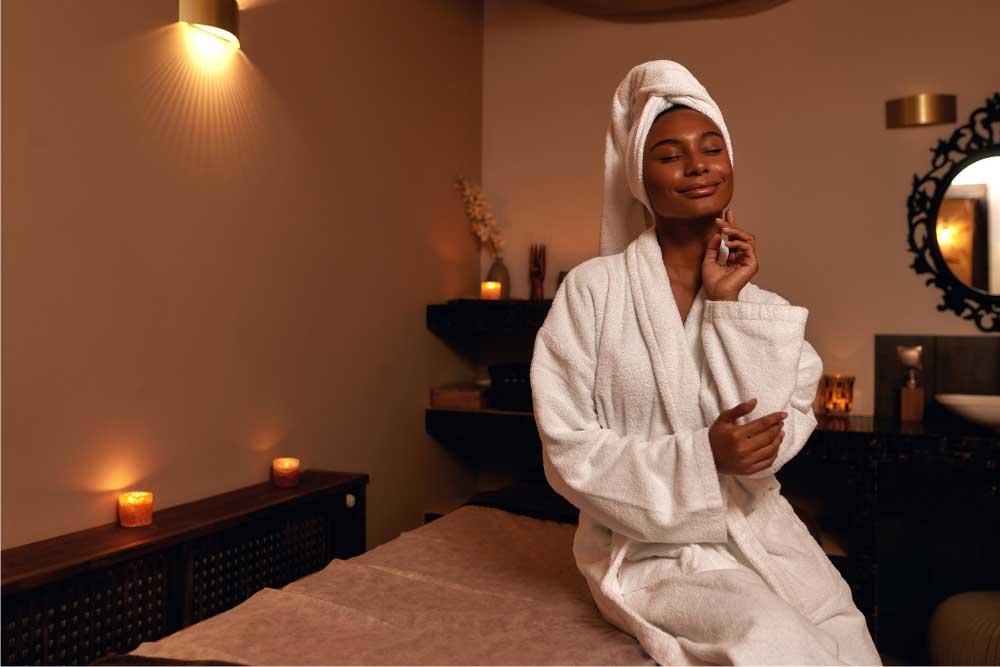
1. Rest Restores Natural Balance:
Adequate sleep allows your body to repair cells, produce collagen, and restore hormones responsible for healthy hair growth and glowing skin. Lack of rest can lead to hair breakage, dullness, and premature aging. Aim for 7–8 hours of quality sleep each night.
2. Consistent Routine Builds Results:
Consistency in self-care — from skincare to nutrition — creates long-term transformation. A regular hair care routine or skincare ritual helps maintain moisture, strength, and radiance.
3. Morning Rituals Boost Energy:
Start your day with hydration, light stretching, and positive affirmations. This mental reset supports emotional wellness and prepares you for the day ahead.
4. Evening Wind-Down Promotes Deep Sleep:
Establish a calming bedtime routine — avoid screens, sip herbal rooibos tea, and practice gratitude journaling. These rituals signal your body to unwind.
5. Balance Between Work and Rest:
In South Africa’s fast-paced lifestyle, burnout is common. Prioritize breaks, leisure, and family time to keep your emotional energy stable.
Rest and structure bring harmony — when your body, mind, and spirit are aligned through routine, your natural beauty shines effortlessly from the inside out.
Community and Cultural Connection
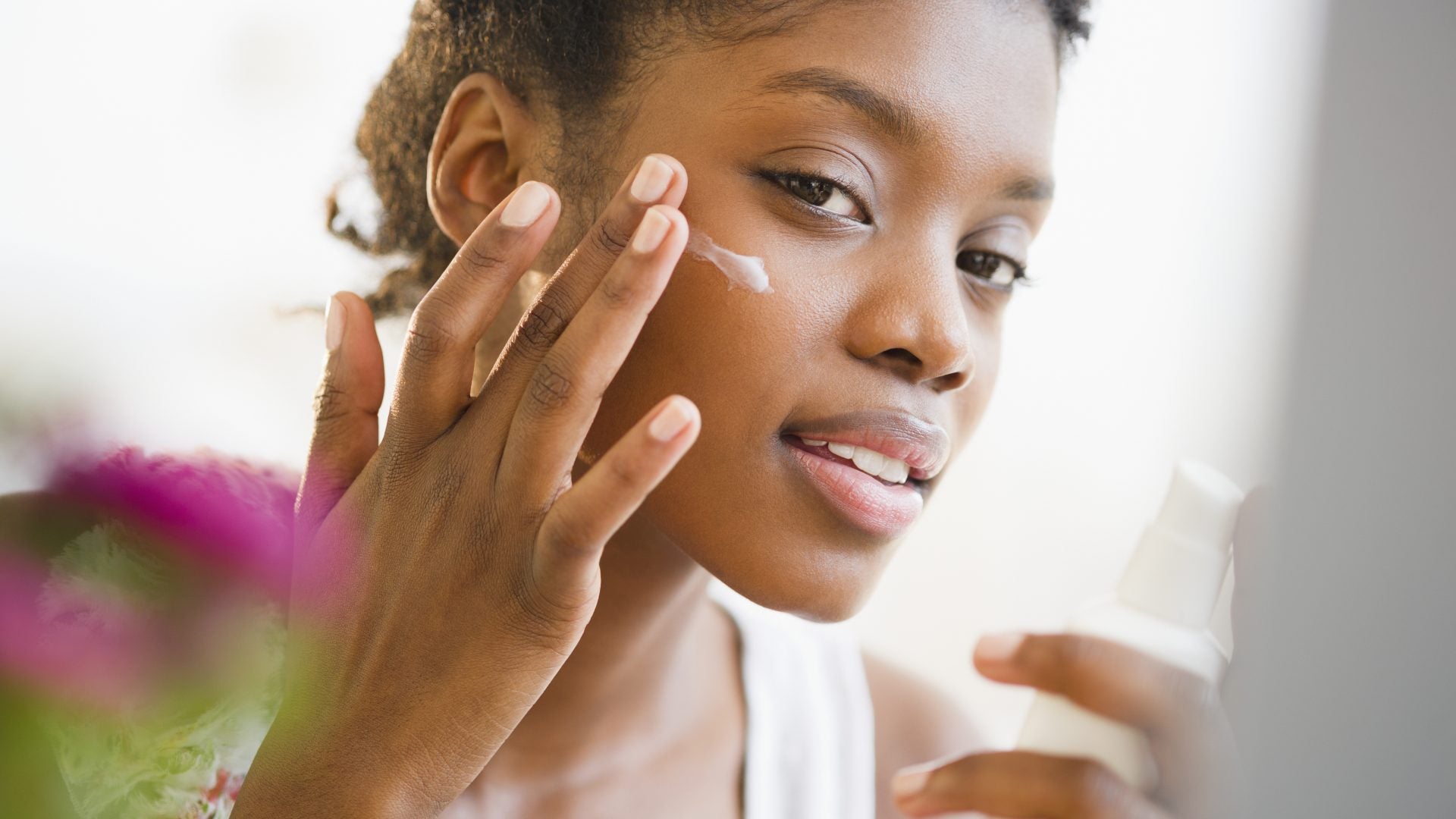
For African women, beauty and wellness have always been deeply rooted in community and culture. Across South Africa, self-care often begins with shared rituals — from mothers teaching daughters how to retain moisture in their curls to friends exchanging personal care tips about natural oils and traditional remedies.
These moments of bonding go beyond appearance; they celebrate heritage, confidence, and collective strength. Many local skincare products draw inspiration from ancient practices, using ingredients like rooibos, shea butter, and marula oil that nourish rather than clog pores. Community-driven beauty brands continue this legacy, blending tradition with modern science to create safer, natural alternatives.
Cultural gatherings — such as hair-braiding sessions or spa days with friends — remind women to slow down, share wisdom, and gently buff away stress. Through connection and cultural pride, African women nurture both their beauty and their sense of belonging.
Choose Black African Organics for Head-to-Toe Self-Care
At Black African Organics, we create clean, plant-powered essentials for melanin-rich skin and textured hair — made in South Africa for our climate and your routine.
From shea, marula, and baobab to aloe and rooibos, our formulas hydrate, calm, and strengthen without sulphates, parabens, or synthetic fragrance. We believe self-care should feel simple and honest: softer skin, stronger hair, and a calmer you — naturally.
Black African Organics — proudly ours, made for you.
FAQs
What’s the best skincare routine for different skin types?
Each skin type—oily skin, sensitive skin, or combination skin—needs specific beauty products. Use tea tree oil for breakouts and cocoa butter for hydrated skin. Always patch test new products and reapply moisturizers during the entire day for lasting softness.
How should African women care for their hair naturally?
For natural hair or hair extensions, apply castor oil or almond oil to mid lengths for shine and deep moisturisation. This reduces split ends and dryness.
How can African women achieve natural beauty from head to toe?
A black woman’s self-care begins with embracing her unique beauty through natural products made with organic ingredients. A consistent skincare routine using argan oil, cocoa butter, or almond oil keeps the skin hydrated and glowing. Avoid chemical exfoliants and choose gentle scrubs with raw ingredients for healthy skin and visible results.
Why is self-care vital for overall health?
Self-care is a lifelong process that nurtures overall health and confidence, helping every woman live a more radiant, balanced life.
Conclusion
True self-care for African women is about honoring both heritage and holistic well-being. From nurturing melanin-rich skin with natural oils to embracing textured hair through gentle, moisture-rich routines, beauty begins with self-respect and intention.
South Africa’s diverse environment offers everything needed for radiant health — from rooibos tea for inner cleansing to shea butter and marula oil for lasting hydration. Beyond physical care, emotional balance, rest, and community connection complete the journey toward authentic beauty.
By practicing consistent, natural self-care — from head to toe — African women celebrate who they are, inside and out. Because when the body, mind, and spirit are nourished in harmony, true beauty shines effortlessly and confidently every single day.