Blog
The Connection Between Diet and Hair Growth in African Women

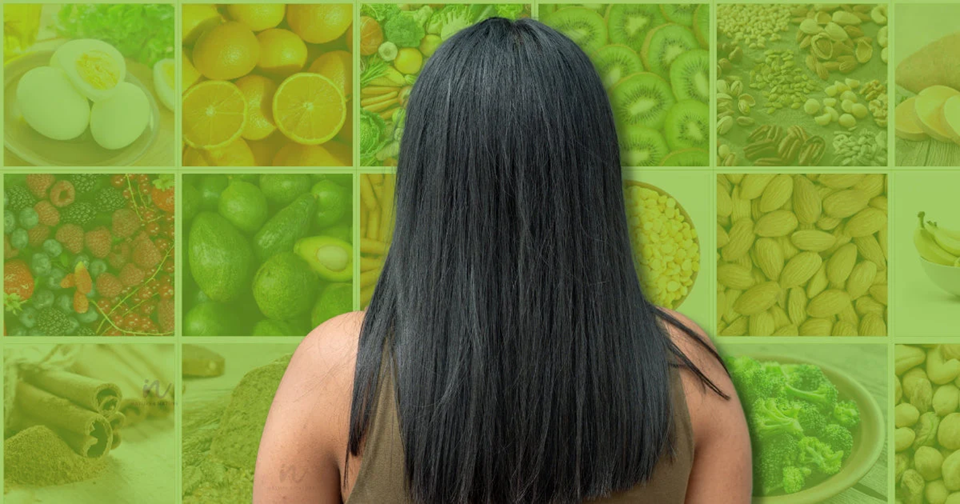
For African women, achieving strong, healthy, and thriving hair goes far beyond the products used — it begins with what’s on the plate.
The connection between diet and hair growth is powerful, especially for Afro-textured hair, which is naturally more prone to dryness and hair breakage. Nutrient-rich foods play a vital role in strengthening hair strands, promoting growth, and maintaining scalp health.
In South Africa’s diverse climate, from coastal humidity to inland dryness, diet can make or break the condition of your hair. A lack of essential vitamins, minerals, and proteins can slow growth, weaken follicles, and cause thinning.
By nourishing your body with the right nutrients, you not only promote healthy hair growth but also support overall wellness from the inside out.
Understanding African Hair

African hair is beautifully diverse, often characterized by tight curls, coils, and kinks that form intricate patterns unique to each individual. However, this hair type is also more prone to dryness and hair breakage because the natural oils from the scalp have a harder time traveling down the twisted hair strands.
The result is hair that requires consistent moisture and gentle handling. In South Africa’s varying climate — from humid coastal regions to dry Highveld air — dry hair and brittle ends are common concerns. Afro-textured hair also tends to shrink when hydrated and stretch when dry, making it more delicate. Understanding its structure helps explain why a balanced diet rich in nutrients, hydration, and natural oils is essential to promote healthy hair growth and strength.
The Science Behind Hair Growth and Nutrition
Hair growth is a biological process that depends on a steady supply of nutrients delivered through the bloodstream to the hair follicles.
Each strand grows from a follicle beneath the scalp, where cells rapidly divide and form keratin — the protein that makes up hair. For African women, whose hair tends to be tightly coiled and more prone to dryness, maintaining a nutrient-rich diet is essential to prevent hair breakage and support strong, resilient hair strands.
Key nutrients such as protein, iron, zinc, and vitamin C play a vital role in stimulating follicle activity and ensuring healthy cell regeneration. Inadequate intake of these nutrients can lead to thinning, brittle hair, or slow hair growth. South Africa’s climate, lifestyle, and sometimes unbalanced diets can also impact scalp health and circulation.
By consuming foods rich in omega-3 fatty acids, antioxidants, and hydration-boosting ingredients, African women can enhance follicle strength, improve scalp function, and naturally promote healthy hair growth from within.
Essential Nutrients for Hair Growth

For African women, maintaining thick, shiny, and healthy hair starts with what’s on the inside. Hair is made primarily of keratin — a protein that depends on a constant supply of vitamins and minerals to grow strong and resilient. Without the right nutrients, hair becomes weak, brittle, and more prone to shedding or thinning.
Understanding the role of key nutrients in the hair growth cycle helps create a foundation for long-term healthy hair growth, especially in climates like South Africa’s, where sun, dryness, and diet can easily affect hair health.
1. Protein: The Building Block of Hair
Protein is essential for keratin production — the structural foundation of every strand. A diet lacking sufficient protein can lead to thinning or slow growth. African hair, which is naturally more fragile, needs adequate protein intake to maintain elasticity and strength. Include foods such as eggs, lentils, chicken, beans, and Greek yogurt. These help stimulate hair growth by supporting cell regeneration and strengthening the follicles from within.
2. Iron: Oxygen for the Follicles
Iron deficiency is one of the leading causes of hair thinning and shedding in women. Iron helps red blood cells transport oxygen to the scalp and hair follicles. Without enough iron, the follicles are deprived of oxygen, leading to weak growth and even hair fall.
Women who experience heavy menstrual cycles or follow vegetarian diets are more prone to this deficiency. To maintain healthy hair growth, include iron-rich foods such as spinach, red meat, lentils, and beetroot. Pairing these with vitamin C–rich foods improves iron absorption and enhances follicle vitality.
3. Vitamin C: Collagen and Absorption
Vitamin C is a powerful antioxidant that promotes collagen production, which strengthens both hair roots and hair strands. It also aids the body in absorbing iron, making it an indirect but crucial nutrient in preventing iron deficiency–related hair shedding.
Citrus fruits, guava, strawberries, and bell peppers are excellent local sources of vitamin C. A daily intake helps prevent oxidative stress and dryness, encouraging shiny, more resilient hair.
4. Omega-3 and Essential Fatty Acids: Scalp Nutrition
Essential fatty acids, particularly omega-3s, are vital for maintaining a nourished scalp and hydrated follicles. They help reduce inflammation and dryness — two factors that often contribute to alopecia areata (an autoimmune form of hair loss common in women with Afro-textured hair).
Omega-3s also encourage blood flow, helping to stimulate hair growth and maintain a healthy scalp environment. Sources include salmon, sardines, flaxseeds, chia seeds, walnuts, and avocados — all readily available in South Africa. Regular intake improves scalp flexibility, shine, and overall healthy hair growth.
5. Zinc and Biotin: Strength and Resilience
Zinc helps repair damaged hair tissues and regulate oil production around follicles. A lack of zinc may cause alopecia areata–like symptoms or excessive shedding. Meanwhile, biotin (vitamin B7) supports keratin structure, helping strengthen hair and nails. Together, these nutrients act as natural hair loss treatment components by reducing fragility and encouraging thicker regrowth. You can find zinc and biotin in eggs, sunflower seeds, nuts, whole grains, and mushrooms.
6. Vitamin A and E: Moisture and Protection
Vitamin A aids in the production of sebum — the scalp’s natural oil that prevents dryness and protects hair strands. However, too much vitamin A can trigger shedding, so balance is key. Carrots, pumpkin, and sweet potatoes are great sources.
Vitamin E, on the other hand, acts as an antioxidant that protects follicles from free radicals. It enhances circulation to stimulate hair growth and supports scalp repair. Incorporate foods such as spinach, avocados, and sunflower oil for best results.
7. B Vitamins: Energy for Growth
The B-complex family — including B12, B6, and folate — plays an essential role in cell metabolism and red blood cell formation. These vitamins ensure that hair follicles receive enough oxygen and nutrients to sustain a healthy hair growth cycle. Deficiencies can cause fatigue, shedding, or slow regrowth, especially after rapid weight loss or restrictive diets. Foods like leafy greens, chicken, eggs, and dairy provide excellent sources of these nutrients.
8. Hydration and Balanced Eating
Dehydration can dry out both the scalp and hair strands, leading to dullness and breakage. Drinking enough water each day helps keep the follicles hydrated and supports nutrient transport. Pairing hydration with a balanced diet that includes proteins, vitamins, and essential fatty acids ensures consistent healthy hair growth.
9. When to Seek Professional Help
Sometimes, nutrient-rich diets alone aren’t enough. Severe iron deficiency, hormonal imbalances, or autoimmune conditions like alopecia areata may require medical advice. In such cases, dermatologists or trichologists can recommend targeted supplements or natural hair loss treatment options.
For African women, food is more than nourishment — it’s a natural way to treat hair loss, strengthen follicles, and maintain long-term scalp health. A nutrient-rich diet filled with whole, local ingredients like spinach, avocado, eggs, and rooibos tea can transform fragile strands into resilient, radiant hair. By feeding your body what it needs, you support every stage of the hair growth cycle — leading to beautiful, strong, and truly healthy hair growth from the inside out.
Hydration and Its Role
Hydration plays a crucial role in maintaining strong, nourished hair, especially for African women living in South Africa’s warm and often dry climate.
Water supports every stage of the hair growth cycle by keeping the scalp healthy, improving blood circulation, and ensuring nutrients reach each follicle. When the body is dehydrated, the scalp becomes dry, leading to flakiness, hair breakage, and slower growth. Proper hydration also strengthens hair strands, helping them retain elasticity and shine.
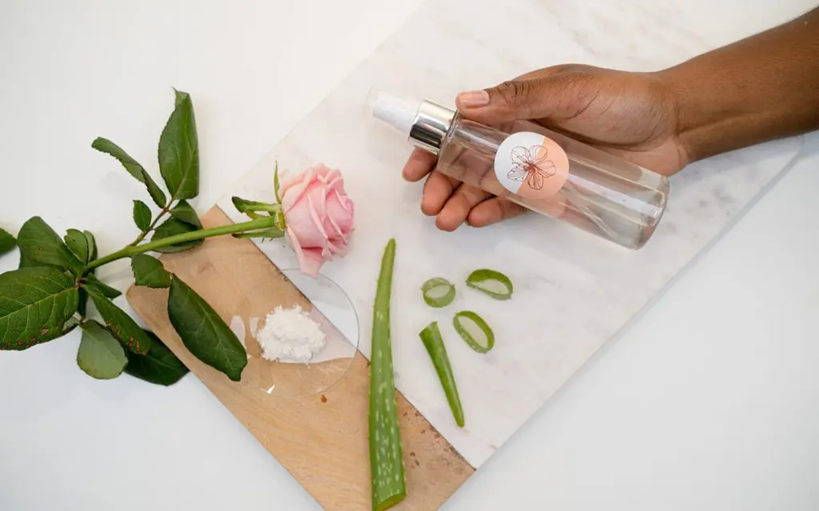
Drinking enough water daily — at least six to eight glasses — is the simplest way to promote healthy hair growth. You can also boost hydration through foods like cucumbers, oranges, and watermelon, which contain natural water content. Herbal teas such as rooibos and moringa, popular in South Africa, also support internal hydration. Topically, hydrating ingredients like aloe vera juice or rose water help moisturize dry hair and the scalp. Balanced hydration inside and out ensures softer, stronger, and more manageable hair.
Traditional and Local South African Foods for Stronger Hair
1. Morogo (Wild Spinach):
Rich in iron, vitamin A, and folate, morogo supports oxygen flow to hair follicles, reducing shedding caused by iron deficiency. It’s a nutrient powerhouse for stronger, healthier hair.
2. Amasi (Fermented Milk):
Amasi is loaded with protein, calcium, and probiotics that nourish the scalp and aid the hair growth cycle. Regular intake can strengthen hair strands and boost elasticity.
3. Rooibos Tea:
Rooibos is full of antioxidants and zinc, helping prevent alopecia areata and scalp inflammation. Drinking it or using it as a rinse can improve circulation and stimulate hair growth naturally.
4. Avocado:
A staple in South African diets, avocado provides essential fatty acids and vitamin E, both vital for maintaining moisture and reducing hair loss.
5. Pap and Lean Meat:
A balanced meal of pap with lean beef or chicken provides energy, protein, and iron — nutrients that help treat hair loss and promote healthy hair growth.
6. Baobab Fruit:
Rich in vitamin C and calcium, baobab boosts collagen production and strengthens follicles, protecting against rapid weight loss–related shedding.
7. Marula Oil:
Used traditionally across Southern Africa, marula oil nourishes damaged hair, seals in moisture, and supports scalp health for strong, resilient strands.
Lifestyle Factors That Affect Hair Nutrition

Achieving healthy, resilient hair is not just about what you apply externally — it starts with how you live. Lifestyle habits such as diet, stress levels, and daily routines directly impact the nutrients that reach your scalp and follicles.
For African women, whose hair is naturally more prone to dryness and hair falling, maintaining balanced nutrition and mindful living can significantly improve hair growth and overall scalp health.
1. Diet and Nutrient Balance
A balanced diet is the foundation of strong, healthy hair. Your hair needs a steady supply of nutrients like proteins, iron, zinc, and B vitamins to grow properly. Diets lacking these nutrients often lead to dull, brittle strands or increased shedding. Very low-calorie diets, commonly used for quick weight loss, can cause nutrient deficiencies that weaken the follicles and slow growth.
In South Africa, where busy urban lifestyles can lead to skipped meals or fast-food habits, it’s crucial to prioritize whole, nutrient-rich foods. Include eggs, lentils, spinach, and avocados in your meals. These foods provide vitamin A, which helps produce sebum — the scalp’s natural oil that keeps hair strands hydrated and strong. However, too much vitamin A can lead to hair falling, so moderation is key.
2. Stress and Hormonal Imbalance
High stress levels can disrupt the hair growth cycle, leading to temporary or chronic hair shedding. In women, chronic stress can even trigger conditions like androgenic alopecia or female pattern baldness, which cause thinning along the crown and sides of the scalp. Stress hormones restrict blood flow to hair follicles, limiting nutrient delivery and slowing cell regeneration.
To counteract this, relaxation practices such as yoga, meditation, and deep breathing can restore hormonal balance and prevent hair loss. Adequate sleep — at least seven hours a night — also promotes natural repair and regeneration of hair cells.
3. Hydration and Circulation
Water is vital for both overall health and hair nutrition. Dehydration can dry out the scalp and lead to hair falling or breakage. Drinking enough water — about six to eight glasses daily — supports nutrient absorption and ensures that oxygen reaches the follicles. Regular exercise improves blood circulation, allowing more nutrients and oxygen to feed the follicles and improve hair growth naturally.
4. Hormonal Conditions and Hair Loss
Some women experience androgenetic alopecia, a hereditary condition that causes gradual thinning due to hormonal sensitivity. Unlike temporary shedding, this form of hair loss is progressive and affects the density of hair strands. A nutrient-rich balanced diet containing zinc, iron, and B vitamins can help strengthen remaining follicles and prevent hair loss from worsening. In addition, omega-3 fatty acids and antioxidants support scalp health and reduce inflammation associated with androgenetic alopecia.
5. Environmental and Lifestyle Stressors
South Africa’s harsh sunlight and dry climate can strip hair of moisture and nutrients, contributing to introduction hair loss symptoms such as dryness and brittleness. Excessive heat styling, chemical relaxers, and tight hairstyles further damage the scalp and weaken follicles. To combat this, use natural oils like marula or vitamin A–rich shea butter to seal in hydration. Wearing hats or scarves outdoors also helps protect the hair from UV damage.
6. Consistency and Self-Care
Ultimately, restoring balance requires long-term consistency. Maintaining a balanced diet, managing stress, and staying hydrated form the foundation of effective hair loss treatment and prevention. Adding B vitamins, vitamin A, and mineral-rich foods to your diet not only enhances your hair’s strength but also boosts your energy and overall well-being.
Lifestyle directly influences hair nutrition — every healthy habit you build brings you closer to stronger, shinier, and thicker hair. By focusing on nutrition, relaxation, and natural care, you can strengthen your scalp, reduce hair falling, and prevent hair loss, allowing for lasting, beautiful growth from the inside out.
Simple Diet Plan for Hair Health
A nutrient-rich balanced diet is one of the most effective ways to support strong, shiny hair and prevent hair loss naturally. African women, particularly in South Africa, can benefit from including locally available foods that nourish follicles and maintain a healthy scalp.
Breakfast:
Start your day with scrambled eggs, avocado toast on whole-grain bread, and a cup of rooibos tea. This combination delivers protein, vitamin A, and antioxidants to strengthen hair strands and improve hair growth.
Lunch:
Enjoy grilled chicken or lentil stew with morogo (wild spinach) and pap. These meals are high in iron, zinc, and B vitamins, which promote keratin production and reduce shedding.
Snack:
Eat a handful of almonds or sunflower seeds for essential fatty acids and vitamin E, which keep the scalp hydrated.
Dinner:
Opt for baked fish or beans with sweet potatoes and a side of beetroot salad. This meal boosts circulation, providing oxygen and nutrients to the hair follicles.
Hydration:
Drink plenty of water and herbal teas like moringa or hibiscus to maintain internal hydration and strengthen hair strands. Consistency with this South African–inspired diet will enhance scalp health and encourage steady, healthy hair growth.
When to Consider Supplements
While a balanced diet is the best foundation for healthy hair growth, supplements can help when nutrition alone isn’t enough.
South African women experiencing excessive shedding, thinning, or slow regrowth due to iron deficiency, hormonal imbalances, or androgenetic alopecia may benefit from targeted supplements. Look for formulations containing B vitamins, biotin, zinc, iron, and vitamin A — all vital for maintaining strong hair strands and a nourished scalp.
Supplements can also assist those following very low-calorie diets, recovering from illness, or dealing with chronic stress that affects nutrient absorption. However, it’s important to consult a doctor or nutritionist before starting any hair loss treatment to avoid over-supplementation, especially with fat-soluble vitamins like vitamin A. When used correctly, supplements can fill dietary gaps, prevent hair loss, and support lasting, natural healthy hair growth from within.
Choose Black African Organics for Naturally Nourished, Healthy Hair
At Black African Organics, we believe that beautiful, strong hair starts from within — and continues with pure, natural care. Our nutrient-rich, plant-based formulas are crafted to complement a healthy diet, helping African women achieve stronger roots, softer strands, and lasting moisture.
Made in South Africa and inspired by our continent’s heritage, our products combine shea butter, baobab, marula, and castor oils — ingredients known to nourish the scalp, boost growth, and reduce breakage. Every product is vegan, sulphate-free, paraben-free, and cruelty-free, designed to work in harmony with your natural beauty.
Feed your hair from the inside out — and let Black African Organics care for it from the outside in.
Shop now at www.blackafrican.co.za
FAQs
How does diet influence hair growth in African women?
A balanced diet directly affects the hair shaft, cell growth, and the anagen phase of the normal cycle. Nutrient-rich foods like fresh vegetables, healthy fats, and fatty fish improve scalp health and support dermal papilla cells, which regulate hair development. Conversely, a poor diet or vitamin deficiencies can lead to hair loss and hair damage, especially among women of African descent prone to conditions like traction alopecia and central centrifugal cicatricial alopecia.
Which nutrients are essential for healthy hair growth?
Deficiencies in vitamin D, zinc, biotin, or pantothenic acid can disrupt cell growth and trigger telogen effluvium. Iron supplementation and maintaining optimal serum ferritin levels help reduce shedding. Nutrients like beta carotene, fresh herbs, and coconut oil also protect against reactive oxygen species, which damage follicles. Including dietary supplements and essential oils as part of a Mediterranean diet supports healthy hair growth naturally.
Can improving diet help prevent hair loss?
Yes. Studies show a statistically significant link between nutrient intake and reduced risk of skin appendage disord and hair loss. Consuming daily zinc, iron, and antioxidants promotes a normal cycle of hair renewal and prevents hair shaft fragility. Avoiding saturated fat and embracing a Mediterranean diet rich in fresh vegetables and healthy fats can lower risks associated with metabolic syndrome and cardiovascular disease, indirectly protecting hair health.
What future treatments are linked to nutrition and hair growth?
Emerging research explores adjuvant treatment combining diet-based therapy with medical care to address genetic aspects of hair disorders in African women. Optimizing levels of vitamin D, zinc, and biotin may enhance dermal papilla cell function and stimulate the anagen phase. While more research is needed, a nutrient-rich, antioxidant-heavy diet shows promise in promoting sustainable hair growth and preventing nutrient-related hair damage or thinning.
Conclusion
For African women, true hair health begins from within. A nutrient-rich balanced diet plays a vital role in strengthening hair strands, maintaining scalp health, and promoting long-lasting healthy hair growth. Since Afro-textured hair is naturally more fragile and prone to dryness, key nutrients like protein, iron, zinc, vitamin A, and B vitamins are essential to keep it strong and hydrated.
Traditional South African foods — such as morogo, avocado, rooibos, and amasi — offer the perfect blend of nourishment to prevent hair loss and enhance the hair growth cycle. Combined with proper hydration, stress management, and a consistent routine, a wholesome diet empowers African women to grow thicker, healthier, and more resilient hair — naturally and beautifully.