


Blog
The Ultimate Guide to Protective Hairstyles and Scalp Health for All

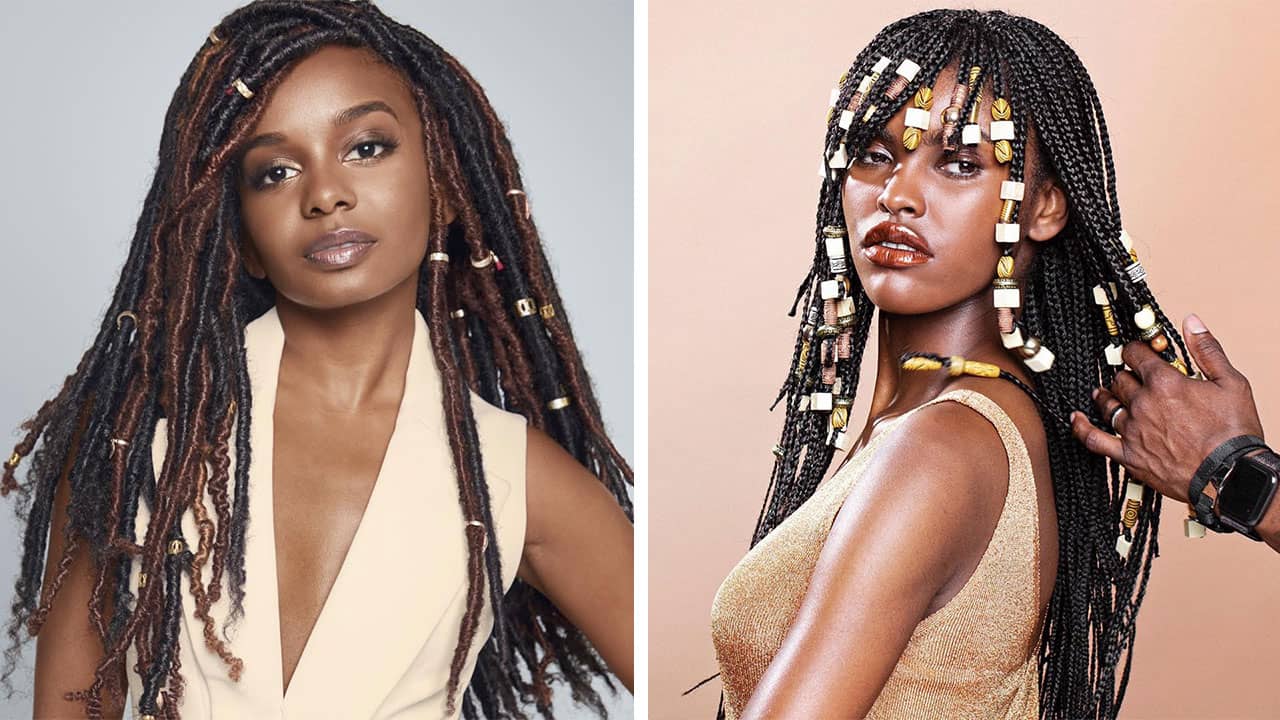
For African women in South Africa, protective hairstyles are more than just fashion—they’re a celebration of identity, culture, and healthy hair care. From elegant braids and twists to sleek weaves and natural buns, these natural protective hairstyles for African hair help retain length, reduce breakage, and promote scalp health. In this guide, you’ll discover the best protective hairstyles for African women, how to maintain a healthy scalp under braids, and the organic oils and natural hair care products that keep your hair strong, hydrated, and thriving.
But while protective styles can encourage length retention and reduce breakage, they can also cause dryness, itching, and tension if not cared for properly. Achieving healthy hair under these styles requires a balanced approach that focuses on both protection and nourishment.
In this guide, we’ll explore the best protective hairstyles, how to maintain scalp health while wearing them, and the natural products you can use to keep your hair strong, hydrated, and thriving.
What Are Protective Hairstyles?
Protective hairstyles are styles designed to minimize manipulation and shield your natural hair from environmental stress, heat, and friction. They tuck your ends away and give your hair a break from daily styling.
Common examples include:
- Box braids
- Twists (Senegalese, Marley, or Passion twists)
- Cornrows
- Faux locs
- Sew-in weaves
- Crochet braids
- Wigs (when worn correctly)
These styles help retain moisture and reduce breakage, allowing your hair to grow without constant stress or combing. However, the key to success lies in maintaining a healthy scalp beneath the style.
Why Scalp Health Matters
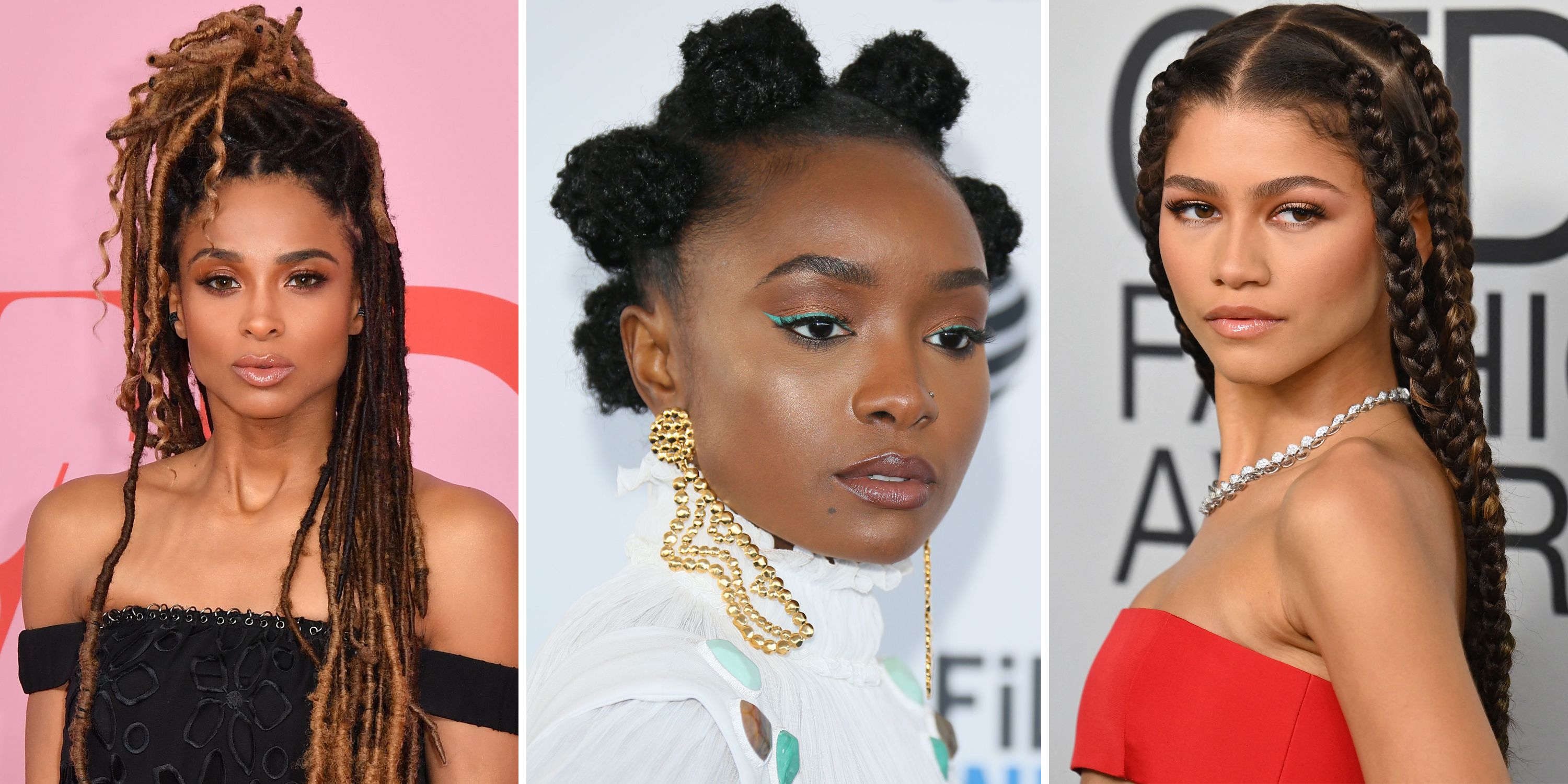
The scalp is the foundation of healthy hair. When it’s clean, moisturized, and balanced, hair growth thrives naturally. But if it’s dry, clogged, or inflamed, your protective style can quickly become damaging instead of beneficial.
Common scalp issues under protective styles include:
- Dryness and itching: Caused by product buildup or lack of moisture
- Flaking and dandruff: Often from tight styles or insufficient cleansing
- Tension and soreness: Due to overly tight braids or weaves
- Blocked follicles: From heavy oils or neglecting scalp cleansing
Maintaining scalp health means balancing moisture, cleanliness, and oxygen flow—even when your hair is tucked away.
How to Prepare Your Scalp Before a Protective Style
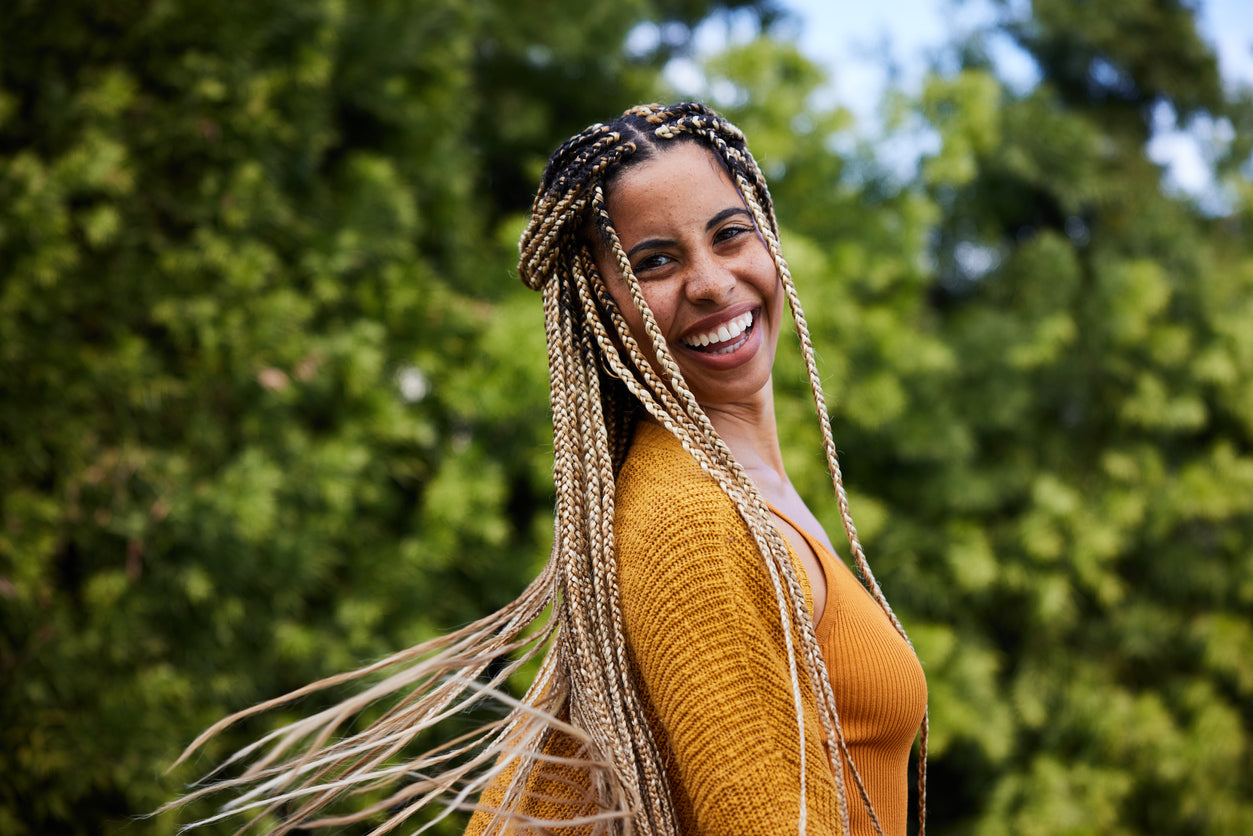
The secret to a flawless protective style? It all starts with a little scalp TLC before you even begin braiding. Proper prep is your best defense against irritation, keeping your hair and scalp happy and strong from day one to takedown day.
Step 1: Give It a Deep Cleanse
Start with a clean slate. A gentle, sulfate-free shampoo is your best friend for washing away dirt, oil, and product buildup. This allows all the nourishing oils and treatments you apply later to really sink in and work their magic.
Step 2: Buff Away the Buildup
Time to exfoliate! Gently scrub your scalp with a simple DIY mix of brown sugar and jojoba oil. This quick step sloughs off dead skin cells and gets the blood flowing, creating the perfect environment for healthy hair.
Step 3: Quench That Thirst
Lock in moisture before you lock in your style. Work a hydrating leave-in conditioner through your hair, then seal the deal with a natural oil like rich baobab or classic coconut oil. This will keep your strands moisturized and protected under your new ‘do.
Step 4: Keep It Tension-Free
This one’s crucial: remind your stylist to be gentle. Braiding too tightly, especially around your edges, can lead to painful inflammation and even traction alopecia. A beautiful style should never come at the cost of your scalp’s health.
Popular Protective Styles for Healthy Hair

Here are some popular protective styles to keep your hair healthy and strong:
1. Box Braids
A timeless classic for a reason, box braids offer incredible versatility for African women. Whether you prefer them long, short, thick, or thin, they can be styled in countless ways—up in a bun, down in loose waves, or pulled back into a chic ponytail. They typically last between 4 to 8 weeks, giving your natural hair a significant break from daily manipulation.
Tip: To keep your scalp hydrated and prevent itching, apply lightweight oils like jojoba or grapeseed oil every few days.
2. Cornrows
Simple yet endlessly elegant, cornrows are not only beautiful but also practical. They are relatively easy to maintain and provide excellent access to your scalp, making it simple to apply moisturizers and oils directly where they’re needed most.
Tip: Opt for cornrow patterns that distribute tension evenly across your scalp and avoid designs that pull too tightly around your fragile edges.
3. Twists (Senegalese, Marley, or Passion)
Whether you choose sleek Senegalese twists, fluffy Marley twists, or wavy Passion twists, this style is known for being soft on the scalp. Twists have a beautifully natural appearance and are exceptionally good at helping your hair retain moisture, especially when you follow a proper care routine.
Tip: Refresh your scalp between washes by spritzing it with a mix of water and aloe vera juice or a light oil mist to keep it soothed and hydrated.
4. Faux Locs and Crochet Styles
If you love the look of natural locs but aren’t ready for the long-term commitment, faux locs and crochet styles are a fantastic option. They mimic the appearance of locs or other textured styles, offering long-lasting protection while your natural hair grows underneath.
Tip: To prevent excessive product buildup and potential breakage at the roots, it’s best not to leave these styles in for more than 8–10 weeks at a time.
5. Natural Updos and Buns
For those who prefer a simpler, lower-manipulation routine, natural protective styles like buns, high puffs, or elegant roll-and-tuck updos are perfect. These styles keep your ends tucked away and protected from the elements without the need for added hair.
Tip: Always use soft, satin scrunchies or gentle hair ties. Avoid elastics that can snag and pull on your roots, causing unnecessary tension and damage.
Maintaining Scalp Health Under Protective Styles
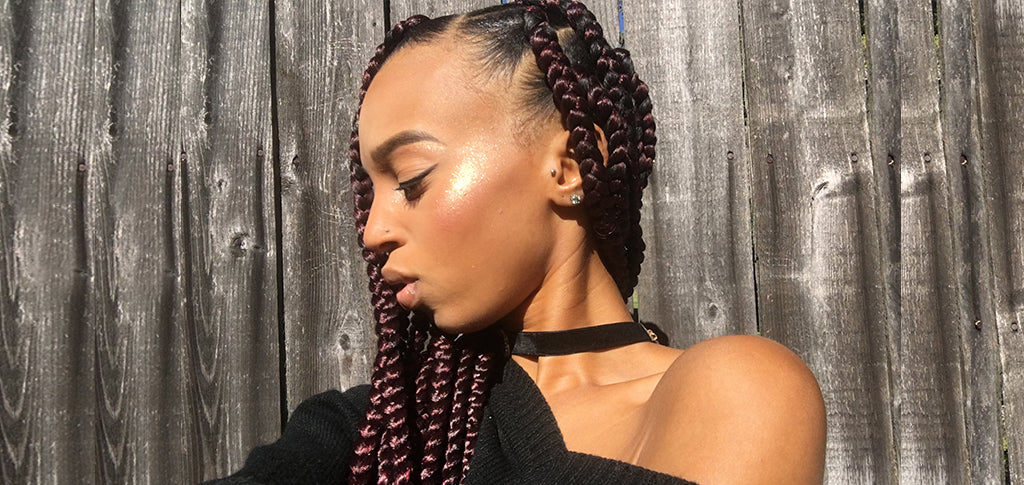
Just because your hair is tucked away in a protective style doesn’t mean your scalp should be forgotten! Giving it some regular love is essential for healthy hair growth and avoiding annoying itchiness.
1. Give it a Good Cleanse!
Think of it as a mini spa day for your scalp! Every two weeks, treat it to a refreshing cleanse using a diluted, sulfate-free shampoo or a specialized cleansing spray. Gently massage with your fingertips to lift away dirt and product buildup, leaving your scalp feeling fresh and revitalized.
2. Hydration is Key!
Dry scalp? No thank you! Combat itchiness by keeping your scalp moisturized. Reach for lightweight natural oils like jojoba, baobab, or marula oil every few days. A little goes a long way to keep that delicate skin happy and hydrated.
3. Pamper with a Massage!
Who doesn’t love a good head massage? Beyond pure relaxation, a daily 5-minute scalp massage boosts blood flow, which can supercharge hair growth and melt away tension. Use your fingertips or a scalp massager – your scalp will thank you!
4. Less is More with Products!
Resist the urge to pile on too many heavy products. Overloading your scalp can clog follicles and hinder growth. Stick to light, breathable oils and refreshing mists to let your scalp breathe and thrive.
5. Tuck it in for the Night!
Protect your beautiful protective style, and your scalp, while you sleep! A satin bonnet or pillowcase is your best friend. It minimizes friction and locks in moisture, ensuring you wake up with your style (and scalp!) looking their best.
The Best Natural Oils for Scalp Care
Natural oils are essential for maintaining a balanced scalp environment under protective styles. Here are some of the most effective options:
| Oil | Benefits | How to Use |
|---|---|---|
| Baobab Oil | Deep hydration, rich in vitamins | Massage into scalp or mix with conditioner |
| Jojoba Oil | Balances sebum and reduces flaking | Apply 3x per week to scalp |
| Castor Oil | Promotes thicker hair and healthy roots | Focus on edges and dry spots |
| Marula Oil | Lightweight and absorbs quickly | Great for daily hydration |
| Shea Butter (Melted) | Creates a moisture barrier | Use as a sealing oil post-wash |
These oils work best when applied to a clean scalp and massaged in circular motions to encourage growth.
When to Remove or Refresh Your Style
No protective hairstyle should stay in forever. Keeping it too long can trap dirt, sweat, and bacteria.
General Guidelines:
- Braids and twists: 6–8 weeks
- Weaves and crochet styles: 6 weeks
- Wigs: Clean scalp weekly if worn daily
If you notice excessive itching, odor, or tension, it’s time to remove or refresh your style. After removal, deep-cleanse your scalp and apply a moisture treatment before reinstalling a new one.
Where to Buy Natural Oils and Scalp Care Products in South Africa

Pure, organic ingredients are crucial for healthy hair and scalp under protective styles. For authentic, high-quality natural oils and butters, shop at Black African.
This proudly South African brand focuses on natural beauty and hair wellness. Their range includes:
- Cold-pressed oils (baobab, castor, marula)
- Organic shea butter for moisture
- Scalp serums and hair growth blends designed for African hair textures
With nationwide delivery, secure online shopping, and affordable prices, Black African simplifies natural scalp and hair care for braids, twists, or natural curls.
FAQs
How do protective styles support overall hair health?
A stylish protective style such as braided styles, flat twists, or Fulani braids helps shield hair follicles and the hair shaft from environmental damage and harsh chemicals. When maintained properly, they support hair health, prevent breakage, and help you reach your hair goals while keeping your own hair safe and strong.
How can I keep my scalp healthy during a protective styling journey?
Your scalp healthy routine starts with gentle cleansing to remove product build-up and oily scalp residue. Use tea tree oil for its soothing benefits on an itchy scalp and reduce tension from tight hairstyles. A spray bottle with water and light oil helps keep the scalp hydrated daily.
What’s the best way to maintain hair properly under protective styles?
Include a deep conditioning treatment before and after styling to strengthen strands and avoid breakage. Sleep on a silk pillowcase to prevent split ends and friction. Cleanse gently with mild shampoo and follow up with extra nourishment to restore your hair’s natural oils.
Are protective styles a free pass from regular hair care?
Not at all — consistent care is equally important during your protective styling journey. Continue moisturizing with a spray bottle, use two strands or high bun styles that don’t cause scalp tension, and always deep condition. Regular upkeep ensures beautiful hair and prevents common signs of hair loss or dryness.
Conclusion
Protective hairstyles are more than a trend—they’re a cornerstone of natural hair care for African women. When paired with proper scalp care and the right organic products, they can help your hair grow stronger, thicker, and healthier than ever.
Remember: your scalp needs just as much love as your hair. Cleanse regularly, moisturize gently, and always listen to your scalp’s signals.
And for the best oils and natural hair care essentials, trust Black African Organics—a brand built by Africans, for African women who believe that beauty starts at the roots.