


Blog
Top 5 Mistakes That Slow Down Hair Growth in African Women


Every African woman dreams of strong, healthy, and beautiful hair. Yet, for many, achieving consistent growth feels impossible. Despite trying countless products, oils, and treatments, the results often remain slow or inconsistent.
The truth is—hair growth isn’t only about what you use, but also what you avoid. Many common habits can silently slow down your progress, no matter how many growth serums or oils you apply.
For African women in South Africa, factors like climate, styling choices, and even daily routines can affect hair health. Understanding these mistakes and correcting them is the first step toward achieving the long, thriving hair you deserve.
Here are the top 5 mistakes that slow down hair growth in African women—and how to fix them naturally.
1. Ignoring Scalp Health

Your scalp is the foundation of your hair. If it’s dry, clogged, or inflamed, hair growth suffers. Many women focus on moisturizing their strands but forget that a healthy scalp is what fuels growth.
Why It Happens
- Product buildup from gels, oils, and leave-ins suffocates hair follicles.
- Irregular washing leaves sweat and dirt that block growth.
- Tight styles cause irritation and inflammation.
The Solution
- Cleanse gently but regularly. Use sulfate-free shampoos or diluted apple cider vinegar rinses every 7–10 days.
- Massage your scalp with nourishing oils such as baobab, jojoba, or black castor oil to boost circulation.
- Moisturize your scalp, not just your hair. A few drops of oil massaged in daily helps maintain hydration and balance.
Healthy hair begins with a clean, nourished scalp—so give it the same attention you give your skincare routine.
2. Over-Manipulating Your Hair
Constant styling, brushing, and touching might seem harmless, but frequent manipulation can cause major breakage. African hair is naturally delicate, and rough handling weakens strands over time.
Why It Happens
- Excessive combing or detangling causes split ends.
- Tight ponytails, braids, or weaves pull on the roots.
- Overusing heat tools strips moisture and weakens the hair shaft.
The Solution
- Limit styling to once or twice a week.
- Switch to protective styles like twists, cornrows, or wigs—but make sure they’re not too tight.
- Use wide-tooth combs or fingers to detangle gently from the ends upward.
- Reduce heat usage. Air dry or use low heat settings when necessary.
The less you handle your hair, the more length you’ll retain.
3. Skipping Moisture and Sealing
One of the biggest reasons African women struggle with growth isn’t slow growth—it’s breakage caused by dryness. African hair textures are prone to moisture loss because of their coily structure, which makes it harder for natural oils to travel down the strand.
Why It Happens
- Harsh shampoos strip natural oils.
- Failing to use the LOC or LCO method properly.
- Not sealing in moisture after washing or conditioning.
The Solution
- Always apply a water-based moisturizer or leave-in first.
- Follow with natural oils like coconut, olive, or baobab oil to lock in moisture.
- Seal with shea butter or a lightweight butter blend.
- Sleep on a satin pillowcase or bonnet to retain hydration overnight.
Consistent hydration prevents breakage and keeps your strands supple and resilient.
4. Neglecting a Healthy Diet and Lifestyle
Hair growth isn’t just about external care—it’s deeply connected to what you eat and how you treat your body. Nutritional deficiencies or stress can drastically slow down your hair’s natural growth cycle.
Why It Happens
- Skipping meals or eating processed foods that lack vitamins.
- Dehydration—many people simply don’t drink enough water.
- Stress, poor sleep, or hormonal imbalances disrupting growth phases.
The Solution
- Eat a balanced diet rich in protein, iron, zinc, and omega-3s. Foods like avocados, eggs, spinach, and fish nourish your hair from within.
- Stay hydrated. Aim for at least 2 liters of water daily.
- Manage stress through exercise, journaling, or relaxation.
- Take breaks from tight hairstyles to relieve scalp tension.
Healthy hair begins inside. When your body is nourished and balanced, your hair naturally follows.
5. Using Harsh or Low-Quality Products
Many commercial hair products contain chemicals that promise quick results but actually do more harm than good. Sulfates, parabens, silicones, and alcohols can strip the scalp’s natural oils and weaken strands.
Why It Happens
- Using cheap, synthetic-based products with drying ingredients.
- Ignoring ingredient labels or overusing protein-heavy treatments.
- Switching products too often without consistency.
The Solution
- Choose natural, organic, and African-sourced products that are free of harsh additives.
- Stick to one consistent routine for at least 8–12 weeks before changing products.
- Always balance moisture and protein treatments to avoid brittleness.
African hair thrives with minimal, natural care—not chemical overload.
Bonus Tip: Patience and Consistency
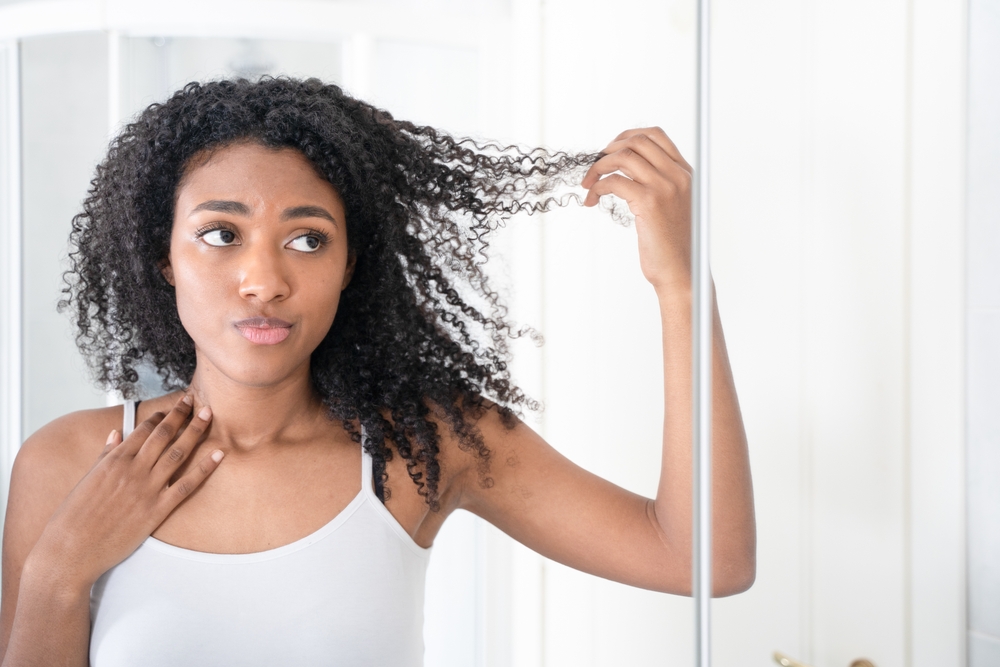
We get it. You want to see results, and you want to see them now. But when it comes to hair growth, patience isn’t just a virtue—it’s a necessity. Many women give up on their hair journey too early because they don’t see an overnight transformation.
Remember, healthy hair growth is a marathon, not a sprint. With the right care, you can expect about half an inch of growth each month. Stay consistent with your routine, and you’ll see progress.
Try keeping a hair journal or taking monthly progress pictures. It’s a great way to stay motivated and see how far you’ve come. Those small, consistent efforts will add up to the long, healthy hair you’ve been dreaming of.
The Role of Natural Oils in Boosting Growth
Natural oils play a vital role in preventing the top hair growth mistakes. Oils like baobab, castor, marula, and jojoba are especially effective for African hair because they:
- Strengthen the hair shaft
- Reduce breakage
- Improve scalp circulation
- Protect against dryness
For best results, massage a blend of these oils into your scalp three times a week and apply a small amount to your ends to prevent splitting.
Where to Buy Authentic Natural Oils in South Africa

Finding high-quality natural oils is essential for healthy hair growth, but many products on the market are diluted or full of harmful additives.
For African women seeking pure, organic, and locally sourced oils, the best choice is Black African. Black African is a proudly South African brand offering natural beauty products made for African women, including:
- Cold-pressed oils like baobab, castor, and marula
- Whipped shea butter for deep moisture
- Hair growth blends for scalp nourishment
With affordable pricing and nationwide delivery, Black African has everything you need to start your healthy hair journey—from oils and butters to treatments designed for African hair.
FAQs
What are the most common mistakes that affect afro hair growth?
Some common mistakes include using harsh chemicals, applying too much heat from blow dryers, and neglecting proper afro hair care. These weaken black hair, cause hair loss, and prevent a healthy afro from flourishing. Avoid relaxer overuse and choose gentle products that promote healthy hair growth.
How can heat styling damage my natural hair?
Frequent heat exposure can make natural hair brittle and damaged hair prone to breakage. If you want to grow hair, limit blow dryers and flat irons, and always use a leave-in conditioner or coconut oil before styling to help your hair absorb moisture and stay hair healthy.
How do I prevent hair loss from extensions and styling?
Tight hair extensions or braids can lead to traction alopecia and a receding hairline. Protect your own hair with looser styles, use a satin scarf or silk pillowcase, and moisturize daily with a spray bottle to prevent dryness and tangles.
What helps build a healthy base for afro hair growth?
For black women, consistent wash days, rice water rinses, and avoiding product build-up are key. Treat your scalp like your best friend—keep it clean, hydrated, and balanced. A healthy base ensures hair grows stronger, smoother, and retains length across all hair types.
Conclusion
Hair growth isn’t about luck—it’s about understanding what your hair truly needs and avoiding the habits that hold it back. By caring for your scalp, limiting manipulation, staying hydrated, and using natural products, you’ll finally start to see lasting results.
African women across South Africa are embracing a return to natural, organic care—and it’s changing the game.
Remember: growth takes time, but every step counts. Nurture your scalp, love your curls, and stay consistent. When you’re ready to invest in your hair’s health, choose Black African—your trusted partner in natural African beauty.