Blog
Why African Skin Needs Different Skincare Routines

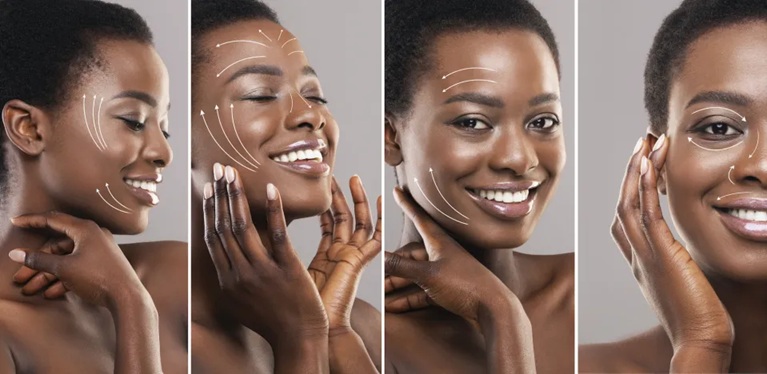
African skin is unique in its composition, resilience, and beauty, yet it often requires a skincare approach different from that of lighter skin tones. With higher levels of melanin, African skin naturally offers more protection from the sun but is also more prone to hyperpigmentation, uneven tone, and dryness.
Its structure tends to be thicker and oilier in some areas, yet it can still experience sensitivity when exposed to harsh products or climates. Unfortunately, many mainstream skincare formulas overlook these specific needs, leading to imbalances and irritation.
A routine designed for African skin focuses on hydration, gentle exfoliation, and protection — helping to maintain its natural glow and balance. Understanding this distinction is key to achieving healthy, radiant skin year-round.
What is African Skin?
African skin refers to skin rich in melanin — the natural pigment that gives skin its deep, beautiful tone and provides enhanced protection from UV rays. This skin type is biologically unique, with a thicker dermis, higher sebum production, and greater resistance to environmental stress. However, the same melanin that offers protection can also make African skin more prone to hyperpigmentation, scarring, and uneven tone when irritated or injured.
African skin tends to have a naturally strong barrier but can still suffer from dehydration, especially in dry or cold climates. Because of its distinctive structure and response to products, African skin benefits from routines that emphasize moisture retention, gentle cleansing, and consistent sun protection. It’s a skin type that requires care tailored to its strength and sensitivity.
Types of African Skin

African skin is highly diverse, influenced by genetic, environmental, and cultural factors. It can generally be categorized into three main types: oily, dry, and combination, each varying in tone, texture, and sensitivity.
Oily Skin
- Common in humid climates.
- Characterized by high sebum production, shine, and occasional acne breakouts.
- Requires proper cleansing and lightweight, non-comedogenic moisturizers to maintain balance.
Dry Skin
- More prevalent in cooler or arid regions.
- Exhibits dullness or flaking due to low moisture retention.
- Benefits from rich emollients like shea butter or natural oils to restore hydration.
Combination Skin
- Features both oily and dry zones.
- Needs a balanced routine to nourish without clogging pores.
- Undertones (warm, cool, or neutral) also vary, impacting how products and makeup appear.
- Addressing unique challenges like hyperpigmentation and uneven tone ensures personalized care for natural radiance.
Common Skincare Challenges Faced by African Skin

African skin, known for its rich melanin content and natural glow, is strong and resilient — yet it faces distinct challenges that demand a thoughtful and consistent skincare routine. These challenges stem from the skin’s biological structure, environmental factors, and the limited availability of products formulated specifically for darker skin tones.
Understanding these issues is the first step toward developing healthier habits that enhance rather than harm melanin rich skin.
1. Uneven Skin Tone and Hyperpigmentation
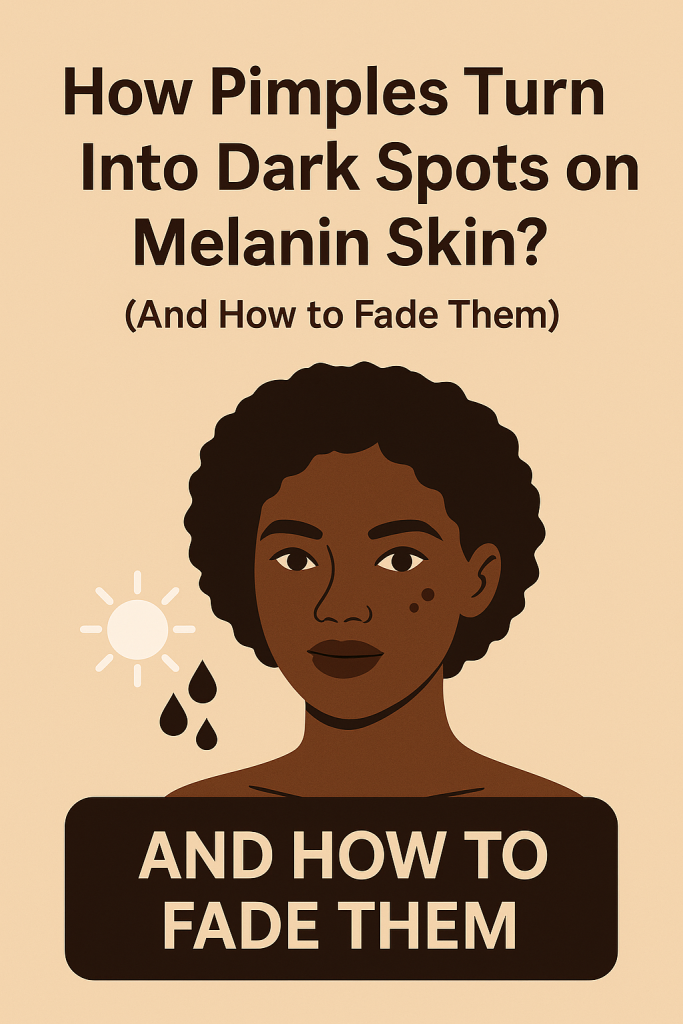
One of the most common concerns for African skin is hyperpigmentation, which causes patches or dark spots that appear darker than the surrounding areas. Because melanin rich skin produces more pigment to protect itself from UV rays, even minor irritation — like a pimple, cut, or rash — can trigger excess pigment production. This post-inflammatory hyperpigmentation can take months to fade if not treated correctly.
The solution lies in gentle skincare habits: avoid harsh scrubs that over-exfoliate or damage the skin barrier function, and opt for ingredients like niacinamide, vitamin C, or licorice root extract that help fade dark spots without bleaching the skin. Daily sunscreen use, even for darker skin tones, is essential because UV exposure worsens uneven pigmentation.
2. Dry Skin and Dehydration
Despite its natural oiliness in some areas, African skin can easily develop dry skin conditions, especially in arid or cold climates. This happens because the skin tends to lose moisture faster due to lower ceramide levels, which are lipids that maintain hydration and reinforce the skin barrier function. When the barrier weakens, it allows water to escape and irritants to enter, leaving skin dull, flaky, and prone to sensitivity.
To combat this, moisturizing should be a cornerstone of every skincare routine. Ingredients such as shea butter, glycerin, aloe vera, and hyaluronic acid help attract and seal in moisture. Layering hydrating serums under heavier creams provides lasting hydration, while avoiding overuse of alcohol-based toners or soaps helps prevent further dryness.
3. Acne and Clogged Pores
Because melanin rich skin often produces more sebum, oily areas like the forehead, nose, and chin are more prone to acne. However, aggressive acne treatments can irritate sensitive skin, leading to scarring and pigmentation instead of improvement. Products containing benzoyl peroxide or high-strength acids may be too harsh for darker skin tones.
Gentle exfoliation is key — using mild chemical exfoliants like lactic acid or mandelic acid can help remove dead skin cells without damaging the skin’s surface. Keeping pores clear through regular cleansing and using non-comedogenic moisturizers maintains balance without stripping the skin. Avoid popping pimples, as this can lead to permanent dark spots.
4. Sensitivity and Reaction to Harsh Products
Many commercial skincare products are created for lighter skin types, often overlooking the unique needs of melanin rich skin. Harsh exfoliants, alcohol-heavy cleansers, and artificial fragrances can irritate sensitive skin, damaging the skin barrier function and triggering inflammation. This not only leads to discomfort but also increases the risk of discoloration and texture changes.
African skin thrives on simplicity — a skincare routine built around gentle, fragrance-free, and pH-balanced products. Natural oils like jojoba or argan can provide nourishment without clogging pores, while mild cleansers maintain the integrity of the skin barrier. Patch-testing new products before applying them widely can also prevent unwanted reactions.
5. Ashy Appearance and Lack of Radiance
Dry skin and buildup of dead skin cells often lead to a dull, ashy appearance — a common issue for darker skin tones. This occurs when the outermost layer of the skin becomes dehydrated, creating a grayish cast that masks the natural glow of melanin rich skin.
Regular exfoliation using gentle scrubs or chemical exfoliants helps slough away dead skin cells, revealing smoother and brighter skin underneath. Moisturizing immediately after bathing, while the skin is still damp, helps seal in hydration and restore the healthy sheen associated with radiant African skin.
6. Sun Protection Misconceptions
A widespread myth suggests that darker skin tones don’t need sunscreen. While melanin provides some natural UV protection, it does not make the skin immune to sun damage. In reality, melanin rich skin is still vulnerable to UV-induced hyperpigmentation, premature aging, and even skin cancer.
Incorporating a broad-spectrum SPF of at least 30 into the daily skincare routine protects against these risks. Sunscreens with added moisturizers or tinted formulas work particularly well for African skin, avoiding the chalky white residue that some traditional sunscreens leave behind.
7. Scarring and Keloids
African skin has a higher risk of forming keloids — thick, raised scars — following injuries, piercings, or surgeries. This response is linked to increased collagen production during the healing process in melanin rich skin. Preventing keloids involves minimizing unnecessary trauma and treating wounds promptly with antibacterial ointments.
For existing scars, silicone gels and professional treatments like laser therapy or steroid injections can help flatten and lighten affected areas over time. It’s important to consult a dermatologist familiar with darker skin tones before undergoing any invasive procedure.
Why Mainstream Products Often Fall Short

Most mainstream skincare products are designed with lighter skin tones in mind, overlooking the unique biology of melanin-rich skin. This lack of inclusivity often leads to imbalanced results or even irritation for those with darker skin tones. Many commercial formulas rely on strong exfoliants, alcohol-based cleansers, and synthetic fragrances that can weaken the skin barrier function — causing dryness, inflammation, and uneven pigmentation.
In addition, brightening or whitening products marketed as “tone-correcting” can contain harsh ingredients like hydroquinone or high concentrations of acids that strip the skin’s natural oils. These treatments may temporarily fade spots but often leave the skin more sensitive and prone to rebound hyperpigmentation.
Another major shortcoming is the lack of deeply hydrating formulations. African skin tends to lose moisture quickly, yet most mainstream products are too lightweight to provide lasting hydration. Effective care for melanin-rich skin requires gentle, moisture-retaining ingredients like shea butter, ceramides, and glycerin — not the harsh agents found in many global brands.
Why African Skin Needs Different Skincare Routines: Top Reasons
African skin is biologically unique, beautifully resilient, and rich in melanin — yet it also faces distinct skincare challenges that require specialized care. While the global skincare industry often promotes universal routines, melanin-rich skin demands a different approach that honors its structure, needs, and sensitivities.
Here are the top reasons why African skin needs a tailored skincare routine for lasting health and radiance.
1. Higher Melanin Content
African skin contains more melanin-producing cells (melanocytes) than lighter skin tones. While this provides greater natural protection from UV radiation, it also increases the risk of hyperpigmentation. Even small irritations — such as acne or cuts — can trigger dark spots. A targeted skincare routine must include sun protection, gentle exfoliation, and brightening ingredients that balance tone without bleaching the skin.
2. Unique Skin Barrier Function
African skin tends to have a slightly different skin barrier function, making it more prone to dryness and irritation when stripped of natural oils. This can cause flakiness, a dull appearance, or an “ashy” look. Moisture retention is therefore vital. Hydrating agents like shea butter, glycerin, aloe vera, and ceramides help strengthen the barrier and lock in moisture for smoother, healthier skin.
3. Sensitivity to Harsh Ingredients
Many mainstream products contain alcohol, synthetic fragrances, or strong acids that can damage sensitive skin. African skin often reacts to such products with inflammation or post-inflammatory hyperpigmentation. A gentle routine built around mild cleansers, natural oils, and non-irritating actives helps maintain balance while reducing the risk of dark marks and irritation.
4. Different Oil and Moisture Levels
Depending on the environment, African skin can be both oily and dry — often oily in the T-zone and dry around the cheeks or body. This combination requires a routine that manages sebum production without stripping essential moisture. Lightweight, non-comedogenic products work best to maintain harmony between hydration and oil control.
5. Climate and Environmental Factors
African skin responds differently to weather. Hot, humid climates may cause clogged pores and sweat buildup, while cold or dry air can lead to dehydration and roughness. A well-adjusted skincare routine adapts to these changes, using more humectants in dry seasons and oil-balancing products in humid months.
Key Skincare Needs for African Skin

1. Deep Hydration and Moisture Retention
African skin tends to lose moisture faster, often resulting in dry skin or an ashy appearance. Using products with humectants like hyaluronic acid, glycerin, and aloe vera helps draw moisture into the skin, while emollients like shea butter and cocoa butter lock it in. Consistent hydration maintains elasticity and strengthens the skin barrier function.
2. Gentle Cleansing
Avoid harsh soaps or cleansers that strip natural oils. Instead, choose mild, pH-balanced formulas that cleanse without over-drying. This helps preserve the skin’s protective barrier and prevents irritation, especially for sensitive skin.
3. Regular Exfoliation
Dead skin cells can make melanin-rich skin appear dull or uneven. Gentle exfoliation with lactic acid, mandelic acid, or mild scrubs helps brighten the complexion and prevent clogged pores without damaging darker skin tones.
4. Sun Protection
Despite the natural UV protection melanin provides, African skin still needs sunscreen. Daily use of SPF 30 or higher helps prevent hyperpigmentation, premature aging, and UV damage. Opt for non-chalky, tinted, or mineral sunscreens made for melanin-rich skin.
5. Even Tone and Pigmentation Care
Hyperpigmentation is a major concern. Products containing niacinamide, vitamin C, or licorice root extract can help even out the skin tone safely. Avoid aggressive bleaching agents that harm the skin barrier function.
6. Nourishment with Natural Oils
Lightweight natural oils like jojoba, argan, and rosehip oil mimic the skin’s sebum, providing nourishment without clogging pores. These oils help maintain a smooth, radiant glow.
7. Adaptable Skincare Routine
African skin responds differently in varying climates. During dry or cold weather, focus on moisture and barrier repair; in humid seasons, use lightweight, oil-free hydration. A flexible skincare routine tailored to these conditions ensures lasting balance and healthy, glowing skin.
How Climate and Lifestyle Play a Role
Climate and lifestyle greatly influence how melanin-rich skin behaves and what it needs to stay healthy. In hot, humid environments, African skin tends to produce more oil and sweat, which can lead to clogged pores and breakouts if cleansing isn’t consistent. Conversely, cold or dry climates strip away natural moisture, causing dry skin, flaking, and a weakened skin barrier function. This is why hydration and product selection must adapt to the environment — lightweight, oil-free moisturizers in warm weather and richer creams or butters in cooler seasons.
Lifestyle habits also matter. Diets lacking in essential fatty acids and hydration can dull the skin’s natural glow, while stress and lack of sleep may trigger inflammation and uneven tone. Exposure to pollution and UV rays further challenges the skin barrier function, making daily cleansing and sunscreen essential. Ultimately, maintaining healthy darker skin tones means aligning one’s skincare routine with both climate and daily lifestyle choices to preserve balance and radiance year-round.
Building the Right Skincare Routine
Creating a skincare routine that supports melanin-rich skin requires balance, consistency, and an understanding of your skin’s unique needs. Here’s how to build an effective daily regimen:
1. Cleanse Gently
Start with a mild, pH-balanced cleanser that removes dirt, oil, and impurities without stripping the skin’s natural moisture. Over-cleansing can weaken the skin barrier function, leading to dry skin or irritation. Choose sulfate-free or hydrating cleansers with ingredients like aloe vera or glycerin.
2. Tone and Prep
A good toner helps restore pH balance, tighten pores, and prepare the skin for moisturizers or treatments. For sensitive skin, choose alcohol-free toners with soothing botanicals like rose water or chamomile.
3. Moisturize Deeply
Hydration is key for melanin-rich skin. Use creams or lotions enriched with shea butter, hyaluronic acid, or ceramides to strengthen the skin barrier function and prevent moisture loss. Apply while the skin is still slightly damp for better absorption.
4. Protect with Sunscreen
Even darker skin tones need protection from UV rays. Use a broad-spectrum SPF 30 or higher every morning to prevent hyperpigmentation and premature aging.
5. Exfoliate Weekly
Once or twice a week, gently exfoliate to remove dead skin cells and reveal a brighter complexion. Choose mild acids like lactic or mandelic acid for safe, even renewal.
The Importance of Culturally Aware Skincare

Culturally aware skincare recognizes that skin health varies across ethnic backgrounds and that melanin-rich skin has different needs than light skin.
For example, acne-prone skin in darker tones may scar more easily, requiring gentler treatments and ingredients that prevent hyperpigmentation. Understanding these distinctions allows dermatologists and brands to create products that enhance skin hydration, balance tone, and protect the natural barrier.
In clinical and aesthetic dermatology, this awareness ensures that treatments like chemical peels or glycolic acid exfoliation are safely adjusted for darker tones to avoid irritation or discoloration.
By focusing on hydration, barrier repair, and mild exfoliation, culturally aware skincare promotes smooth skin and even tone without compromising sensitivity. Ultimately, acknowledging cultural and biological differences leads to healthier, more radiant skin — and a beauty industry that celebrates true inclusivity in skin health.
Choose Black African Organics for Your Melanin-Rich Skincare Routine
Your skin deserves care that celebrates its strength, balance, and natural glow. Black African Organics understands the unique needs of African skin — crafting products that deeply hydrate, protect, and restore without harsh chemicals.
From Vitamin C serums that brighten and even skin tone to Shea Butter–based moisturizers that lock in long-lasting hydration, every formula is made in South Africa with ethically sourced, plant-powered ingredients. Their products are vegan, cruelty-free, sulphate-free, and paraben-free, designed to nourish melanin-rich skin and enhance its natural radiance.
Whether your concern is dryness, hyperpigmentation, or uneven tone, Black African Organics offers trusted, locally made solutions that keep African skin healthy, hydrated, and beautifully confident — year-round.
FAQs
Why does African skin require a unique skincare approach?
Black skin has distinct physiological variations in its skin structure, including a thicker stratum corneum and more active melanocytes, which influence skin color and skin concerns. These features provide better protection against environmental stressors but can also lead to dark patches or ashy skin if not moisturized properly. Using moisturizers designed for African or African American skin helps maintain balance and hydration.
What role does sun protection play for darker skin tones?
Though darker complexions have natural UV resistance, broad spectrum sunscreen with at least SPF 30, containing zinc oxide or titanium dioxide, is essential. It prevents hyperpigmentation, dark patches, and uneven tone. Racial differences in UV absorption mean that black skin still needs daily protection to maintain long-term health.
What ingredients work best for African skin care?
Opt for natural ingredients and vitamin C serums to brighten dull areas, while kojic acid or tranexamic acid can help fade spots. Topical corticosteroids should be used cautiously under medical advice for atopic dermatitis or irritation. Avoid harsh cosmetic products with alcohol or strong acids.
How can I create a skincare routine suited to my skin type?
To delve deeper into your skin care needs, use skin care products that reduce inflammation and strengthen the top layer of the skin. Look for items with antibacterial properties and hydrating oils. Consistent cleansing, exfoliation, and sun protection will help black skin adapt to significant changes in climate and maintain a radiant, healthy glow.
Conclusion
African skin is naturally beautiful, resilient, and rich in melanin, yet it requires care tailored to its unique structure and needs.
Factors like higher melanin content, varying oil levels, and a delicate skin barrier function mean that a one-size-fits-all routine simply doesn’t work. Melanin-rich skin thrives on hydration, gentle cleansing, and consistent sun protection to prevent dry skin, hyperpigmentation, and irritation.
By understanding these differences, individuals can build routines that support lasting skin health and radiance. The goal isn’t to change the skin but to nurture it — embracing its natural tone, texture, and strength. With the right skincare routine, African skin can remain balanced, glowing, and confidently beautiful all year round.