Blog
Shea Butter vs. Castor Oil: Which Works Better for African Hair?

African hair is naturally rich, versatile, and beautiful — but it also requires deep moisture and protection to stay healthy. Two of the most trusted natural ingredients in African hair care are shea butter and castor oil, both known for their nourishing and restorative properties.
Across South Africa, women use these staples to combat dry hair, hair breakage, and promote healthy hair growth. Yet, many still wonder: which one works better? The answer depends on your hair’s texture, porosity, and needs.
While shea butter excels at sealing in moisture and softness, castor oil is prized for stimulating growth and thickness. This guide explores how each ingredient supports strong, radiant, and resilient African hair — naturally.
Understanding African Hair Needs
African hair is beautifully diverse, with textures ranging from tight coils to soft curls — each requiring unique care. Its natural curl pattern makes it more fragile and prone to dry hair and hair breakage, as the scalp’s natural oils struggle to travel down the strands.
This results in moisture loss, tangling, and slower healthy hair growth if not properly maintained. African hair also responds strongly to climate: South Africa’s dry inland air and coastal humidity can both affect hydration and manageability. Because of this, natural ingredients like shea butter and castor oil are vital — they help retain moisture, protect against damage, and strengthen hair strands.
Understanding these needs allows African women to create routines that celebrate their texture, nurture scalp health, and enhance shine naturally from root to tip.
What Is Shea Butter?

Shea butter is a rich, creamy fat extracted from the nuts of the African shea tree (Vitellaria paradoxa), native to West and Central Africa. For generations, African women have used it as a natural moisturizer for both hair and skin, thanks to its high content of vitamin A, vitamin E, and essential fatty acids.
In hair care, it helps retain moisture, reduce dryness, and protect against hair breakage caused by heat and harsh climates. Its thick texture seals hydration into hair strands, softens coarse curls, and adds shine, making it ideal for Afro-textured hair in South Africa’s warm, often dry weather.
What Is Castor Oil?
Castor oil is a thick, nutrient-rich oil extracted from the seeds of the castor bean plant (Ricinus communis), widely used in African and Caribbean hair care traditions. It contains ricinoleic acid, a powerful fatty acid known for stimulating the scalp, improving blood circulation, and promoting healthy hair growth.
In addition, castor oil’s antibacterial and antifungal properties help maintain a clean, balanced scalp, reducing dandruff and hair breakage. Its rich texture coats and strengthens hair strands, making it ideal for repairing damaged hair and thickening thinning edges. South African women often use it in hot oil treatments or scalp massages for maximum nourishment.
Shea Butter Benefits for African Hair

For centuries, shea butter has been one of Africa’s most cherished natural beauty secrets — a rich, versatile ingredient that nourishes hair from root to tip. Extracted from the nuts of the shea tree (Vitellaria paradoxa), it is packed with vitamins, antioxidants, and essential fatty acids that make it ideal for Afro-textured hair.
In South Africa and across the continent, women use shea butter to retain moisture, strengthen fragile hair strands, and protect their hair from the effects of heat, styling, and harsh weather.
1. Deep Moisturization and Hydration
African hair naturally tends to be drier than other hair types because of its unique curl pattern, which makes it harder for natural scalp oils to travel down the strands. Shea butter’s rich, creamy consistency acts as a natural emollient that deeply hydrates and softens dry hair. When applied after washing, it seals moisture into the cuticle layer, reducing hair breakage and brittleness.
The key to its effectiveness lies in its high concentration of vitamin A, vitamin E, and essential fatty acids — nutrients that repair and nourish from within. Regular use helps retain moisture in hot, dry regions like Gauteng or Free State, where the climate can quickly strip natural oils from the scalp and hair.
2. Protection Against Damage
Between South Africa’s strong sun, pollution, and styling habits like blow-drying or braiding, hair damage is a common challenge. Shea butter forms a light protective barrier around each strand, shielding it from UV rays, heat, and environmental stressors. This barrier doesn’t clog the scalp but instead locks in nutrients, allowing hair to stay supple and strong.
It’s particularly beneficial for women who use protective hairstyles such as box braids or twists. Applying shea butter to the scalp and ends prevents friction and dryness, reducing the risk of split ends and hair falling during take-down.
3. Strengthening and Repairing Hair Strands
Over time, exposure to styling tools, color treatments, and chemicals weakens hair strands, causing breakage. Shea butter’s natural fatty acids replenish lost lipids, improving elasticity and restoring shine. It also contains triglycerides, which help rebuild the hair’s structure by strengthening the protein bonds that hold keratin together. This results in smoother, more resilient strands that can withstand daily wear and tear.
For women transitioning from chemically treated to natural hair, shea butter serves as a powerful restorative treatment, helping to fix damaged hair and promote soft, manageable curls.
4. Soothing Scalp and Promoting Growth
Healthy hair begins with a healthy scalp. Shea butter’s anti-inflammatory and antibacterial properties help calm irritation, itching, and dandruff — common issues for women with dry hair or sensitive scalps. When massaged into the scalp, it improves blood circulation, which can stimulate hair growth and enhance follicle strength.
Pairing shea butter with lightweight oils such as coconut oil or marula oil boosts its effectiveness, creating a nutrient-rich blend that penetrates deeply without leaving residue.
5. Versatility in Everyday Use
One of the greatest strengths of shea butter is its versatility. It can be used as a daily moisturizer, leave-in conditioner, or even as part of a DIY hair mask. Warm a small amount in your hands and apply it to damp or wet hair to lock in moisture, or mix it with essential oils like rosemary or peppermint for an invigorating scalp treatment.
In coastal South African regions such as Durban or Cape Town, where humidity can cause frizz, shea butter helps define curls and smooth flyaways. For inland areas prone to dryness, it provides lasting softness and shine.
Shea butter is not just a product — it’s a time-tested tradition that continues to nurture generations of African women. Whether used alone or blended with other natural oils, it offers complete care for Afro-textured hair by moisturizing, protecting, and strengthening from root to tip. Consistent use restores elasticity, reduces hair breakage, and leaves your hair feeling soft, resilient, and radiant — a true reflection of African beauty, naturally and powerfully.
Castor Oil Benefits for African Hair
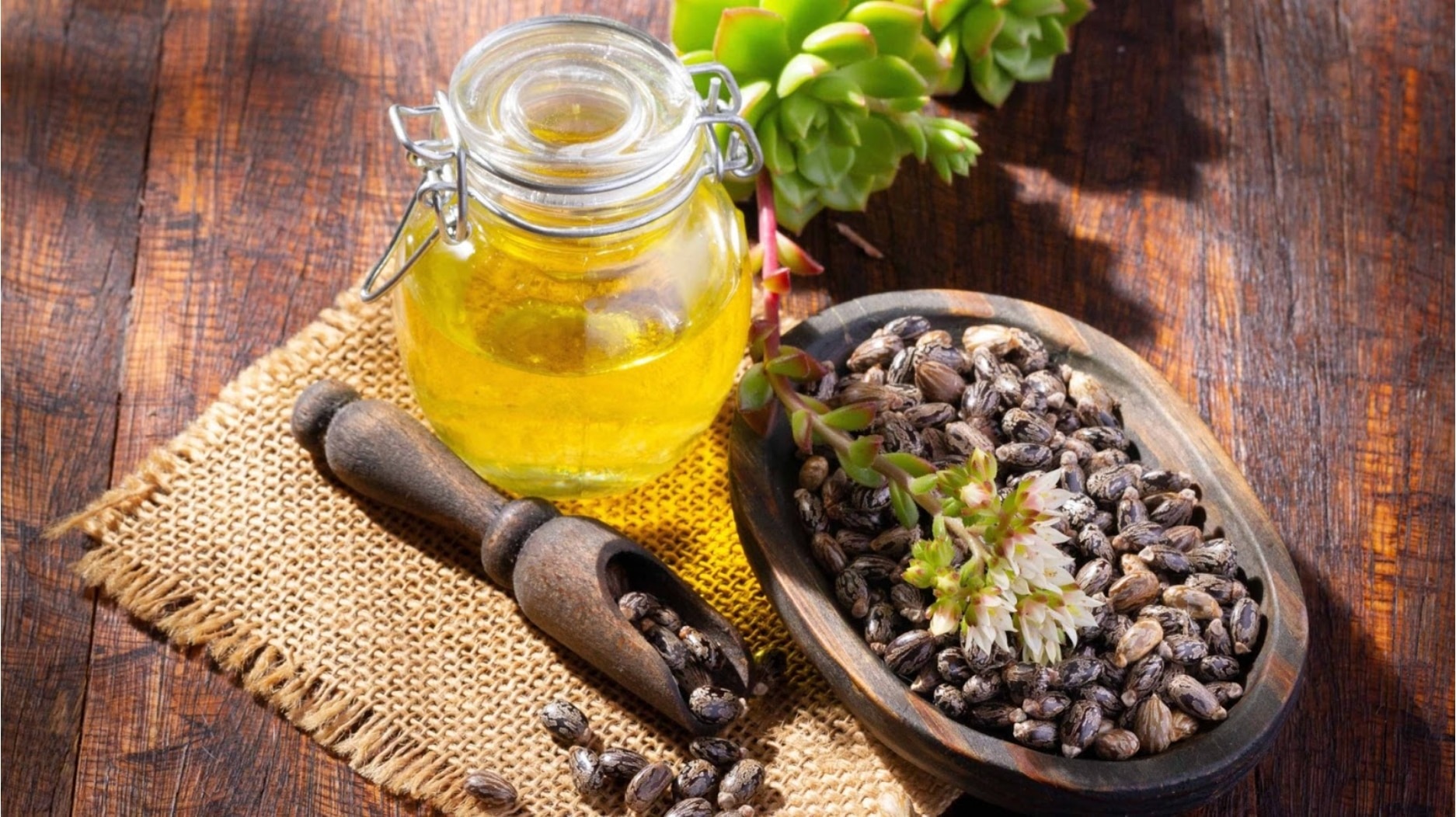
Castor oil has long been praised as one of the most effective natural treatments for promoting healthy hair growth and restoring damaged hair. Extracted from the seeds of the castor bean plant (Ricinus communis), this thick, nutrient-rich oil has been used for centuries in Africa and the Caribbean to nourish the scalp, strengthen hair strands, and enhance shine.
For African women, whose hair tends to be more prone to dryness, breakage, and slow growth, castor oil offers a natural, affordable, and powerful solution.
1. Stimulates Hair Growth and Thickens Hair
One of castor oil’s most celebrated benefits is its ability to stimulate hair growth. The oil is rich in ricinoleic acid, a unique fatty acid that increases blood flow to the scalp. Improved circulation means more oxygen and nutrients reach the hair follicles, helping them grow stronger and faster. With consistent use, many women notice thicker, fuller hair — especially along thinning edges or receding hairlines.
In South Africa, where climate conditions can vary from dry heat to coastal humidity, castor oil works particularly well for women experiencing hair falling due to dryness or environmental stress. Applying it regularly as a scalp massage oil deeply nourishes follicles and supports natural regrowth.
2. Strengthens Hair Strands and Reduces Breakage
African hair is naturally coiled and therefore more susceptible to hair breakage. Castor oil’s dense texture coats the hair shaft, adding a protective layer that strengthens hair strands from root to tip. It helps seal in moisture and smooths the cuticle, preventing split ends and brittleness.
The oil also contains vitamin E and omega-9 fatty acids, which repair damaged hair by replenishing lost nutrients. When used as part of a weekly hot oil treatment, castor oil penetrates deeply into the scalp and hair, making it more elastic and resistant to breakage.
3. Moisturizes and Nourishes Dry Hair
In South Africa’s dry inland regions, many women struggle with dry hair caused by harsh sun, wind, and hard water. Castor oil is an excellent natural humectant, meaning it draws and locks in moisture. It helps retain moisture longer than most oils due to its heavy consistency.
Mixing castor oil with lighter oils like coconut oil, baobab oil, or marula oil can make it easier to apply and prevent buildup. Applying this blend to damp hair after washing helps keep curls hydrated, soft, and manageable.
4. Promotes Scalp Health and Fights Dandruff
A healthy scalp is the foundation of strong, vibrant hair. Castor oil’s antifungal and antibacterial properties make it ideal for treating scalp conditions such as dandruff, flakiness, and mild irritation. Regular scalp massages not only boost circulation but also reduce inflammation and soothe itching.
By balancing scalp moisture and removing buildup, castor oil creates an environment that supports consistent, healthy hair growth.
5. Strengthens Protective Hairstyles
Protective styles like braids, cornrows, and twists are a staple for many African women. However, these styles can sometimes lead to dryness or hair breakage if not properly moisturized. Applying castor oil to the scalp and ends before braiding or twisting helps reduce friction and strengthens hair during wear.
You can also use it to seal moisture into the ends of brittle hair, keeping it supple and preventing split ends.
Castor oil is more than a traditional remedy — it’s a proven elixir for African hair that addresses nearly every concern, from dryness and thinning to breakage and scalp irritation. Its nutrient-dense profile makes it one of the most powerful natural solutions for fixing damaged hair and promoting healthy hair growth. Whether used alone or blended with other nourishing oils, castor oil offers lasting strength, shine, and vitality — helping African women embrace their natural beauty with confidence and care.
Key Differences Between Shea Butter and Castor Oil
Below is a detailed comparison chart showing how shea butter and castor oil differ in texture, benefits, and ideal uses for African hair — especially under South Africa’s diverse climate conditions:
| Feature | Shea Butter | Castor Oil |
|---|---|---|
| Source | Extracted from nuts of the shea tree (Vitellaria paradoxa), native to West and Central Africa | Extracted from seeds of the castor bean plant (Ricinus communis) |
| Texture | Thick, creamy, and solid at room temperature; melts when warmed | Thick, sticky, and viscous liquid with an oily finish |
| Main Function | Moisturizing, softening, and sealing in hydration | Strengthening, thickening, and stimulating healthy hair growth |
| Nutrient Profile | Rich in vitamin A, vitamin E, and essential fatty acids | High in ricinoleic acid, omega-9 fatty acids, and vitamin E |
| Best For | Dry hair, frizz control, and scalp moisture retention | Thinning hair, hair falling, and brittle hair repair |
| Absorption | Absorbs moderately; great for sealing after moisturizing | Absorbs slowly; better for deep treatments and scalp massages |
| Climate Suitability | Ideal for dry inland regions (e.g., Gauteng, Free State) where moisture retention is key | Works best in humid or coastal areas (e.g., Durban, Cape Town) to protect against breakage |
| Application Method | Used as a leave-in, sealant, or hair mask; perfect for twist-outs and protective styles | Used for scalp treatments, hot oil massages, or mixed with lighter oils like coconut oil |
| Scalp & Hair Benefits | Soothes irritation, reduces hair breakage, and locks in moisture for elasticity | Stimulates blood flow, strengthens roots, and promotes thicker hair strands |
| Texture Type Compatibility | Best for thick, coarse, high-porosity Afro-textured hair | Best for thin, weak, or low-porosity damaged hair |
| Drawbacks | Can feel heavy or greasy if overused | Can cause buildup if not diluted or washed properly |
| How They Work Together | Combined, they offer balanced moisture and strength — shea butter seals while castor oil stimulates growth | Together, they form a powerful duo for healthy hair growth, hydration, and shine |
Use shea butter to retain moisture and keep curls soft, and castor oil to stimulate hair growth and strengthen fragile strands. For best results, South African women can blend both — creating a rich, nourishing treatment that hydrates, protects, and enhances the natural beauty of Afro-textured hair.
How to Use Them Together
Using shea butter and castor oil together creates a perfect balance of moisture and strength for African hair. Shea butter deeply hydrates and seals in moisture, while castor oil stimulates the scalp and strengthens hair strands. To combine them, melt a few tablespoons of raw shea butter and mix in an equal amount of castor oil. Add a few drops of coconut oil or rosemary essential oil for extra nourishment.
Apply the blend to damp hair, starting from the scalp to the ends, focusing on dry hair or brittle areas. Use it as a leave-in moisturizer, hot oil treatment, or protective style cream. For healthy hair growth, massage the mixture into the scalp two to three times a week. This powerful duo restores softness, prevents hair breakage, and keeps curls defined, hydrated, and resilient — perfect for South Africa’s changing climate.
Which Works Better for African Hair?
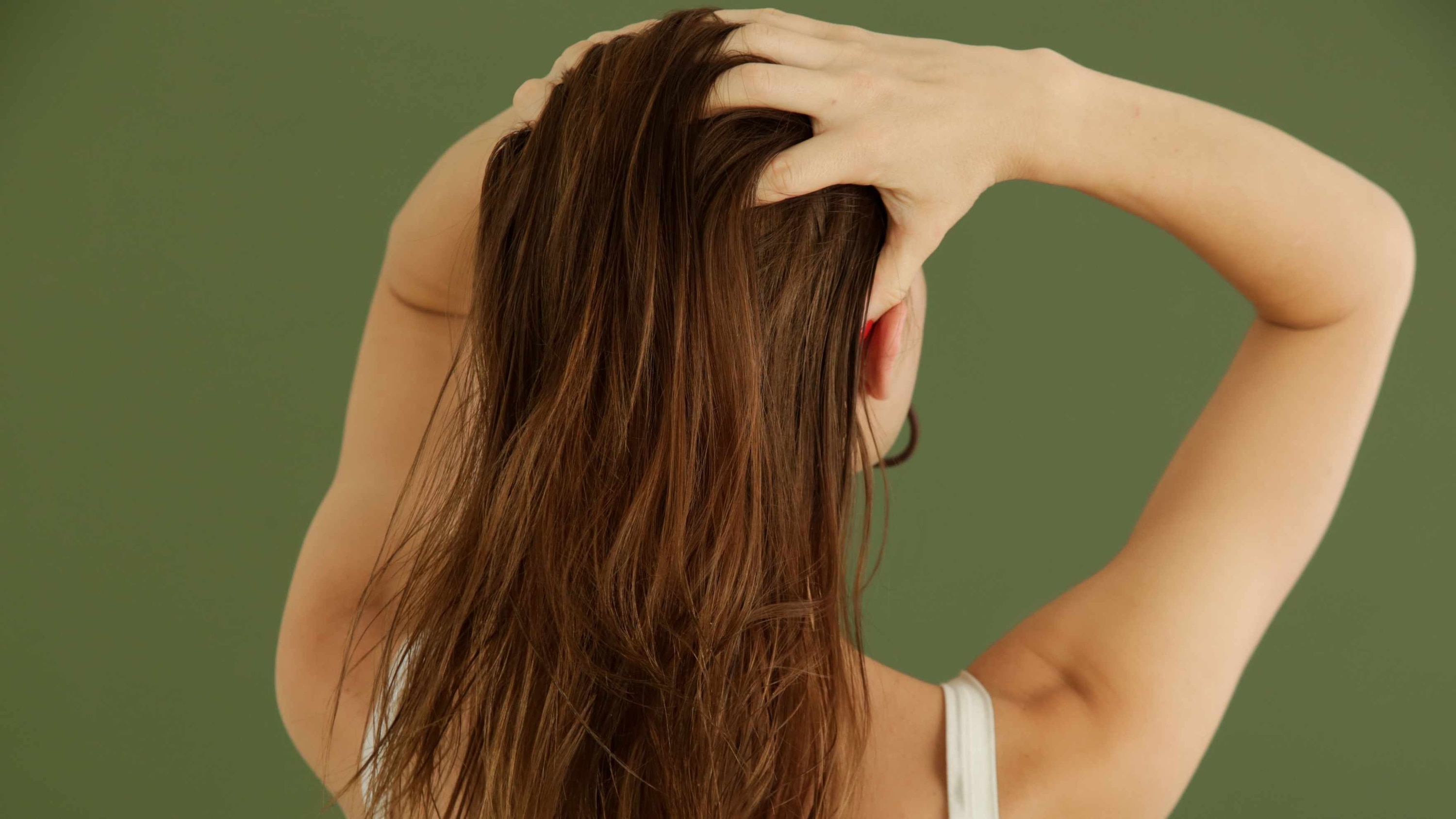
The choice between shea butter and castor oil depends on your hair’s specific needs rather than one being universally better. For African women, whose hair often experiences dryness, hair breakage, or slow healthy hair growth, both ingredients serve vital yet different purposes.
If your hair is coarse, frizzy, or struggles to retain moisture, shea butter works best. Its rich texture seals hydration, softens strands, and adds elasticity — ideal for protective styles and dry hair care in South Africa’s hot, dry regions.
On the other hand, castor oil excels at strengthening the roots and promoting hair growth, especially if you’re dealing with thinning edges, brittle hair, or hair falling. Its high ricinoleic acid content boosts scalp circulation and strengthens follicles over time.
For optimal results, many South African women use both together — shea butter to moisturize and castor oil to stimulate growth — achieving balanced, vibrant, and truly healthy African hair.
Choose Black African Organics for Your Complete Self-Care Ritual
At Black African Organics, we believe self-care is more than skin-deep — it’s a celebration of African beauty, wellness, and balance. Our handcrafted, plant-based range is made in South Africa using nature’s most powerful ingredients — shea butter, marula oil, baobab, rooibos, and aloe vera — to nourish your hair, skin, and body from head to toe.
Each product is vegan, cruelty-free, sulphate- and paraben-free, created for melanin-rich skin and textured hair that thrive in Africa’s unique climate. Whether you’re hydrating your curls, glowing your skin, or soothing your scalp, our products provide pure nourishment and lasting radiance — naturally.
Rooted in tradition and powered by science, Black African Organics brings you clean beauty that honors your heritage, your health, and your natural glow.
Proudly South African. Authentically natural. Beautifully you.
FAQs
Which is better for African hair — shea butter or castor oil?
Both shea butter and black castor oil are excellent hair oils for African textures. Shea butter deeply moisturizes coarse hair, while castor oil helps encourage growth and combat hair loss. Shea works best for sealing moisture, while castor strengthens strands and protects against environmental damage, improving overall hair health.
How do they fit into a natural hair care routine?
Apply either as a pre-poo treatment or deep conditioner, then wrap with a warm towel or plastic cap to enhance absorption. These natural hair care products keep the scalp healthy, reduce itchy scalp, and prevent dryness caused by dry air.
Can I mix shea butter or castor oil with other oils?
Yes—blend with argan oil, jojoba oil, avocado oil, olive oil, or sweet almond oil as carrier oils to improve absorption and reduce greasy residue.
Which works best for different hair types?
For low porosity hair, lighter oils like tea tree oil or lavender oil help sebum production. For high porosity hair, heavier options like black castor oil retain moisture and enhance length retention.
Conclusion
Both shea butter and castor oil are powerful natural allies for African hair, offering distinct yet complementary benefits. Shea butter excels at deep moisturization — sealing in hydration, reducing hair breakage, and keeping dry hair soft and manageable.
Castor oil, on the other hand, strengthens roots, thickens strands, and promotes healthy hair growth by nourishing the scalp. For South African women facing varying climates and hair textures, the best results often come from using both in harmony.
Shea butter provides long-lasting moisture, while castor oil fortifies and stimulates new growth. Together, they restore balance, resilience, and shine — proving that African beauty flourishes naturally when traditional ingredients meet consistent care and self-love.