Blog
5 Essential The Benefits of Using Shea Butter for Skin Hydration

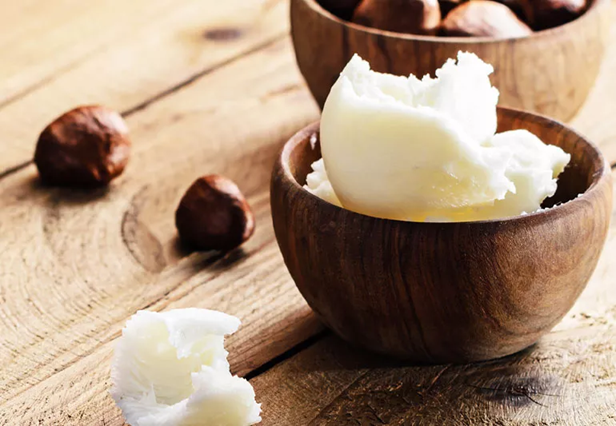
For centuries, African women have relied on one powerful ingredient to nourish, heal, and protect their skin — shea butter. Extracted from the nuts of the shea tree (Vitellaria paradoxa), this golden cream has long been celebrated as “Africa’s natural moisturizer.”
In South Africa and across the continent, shea butter is valued for its deep hydration, rich nutrients, and healing power. Whether used pure or blended into body creams and oils, it provides a natural solution to dryness, sensitivity, and uneven tone — issues many African women face due to the region’s climate and environmental conditions.
In this article, we’ll explore five essential benefits of using shea butter for skin hydration, explain the science behind its effectiveness, and show how you can make it part of your everyday skincare routine.
1. Shea Butter Provides Deep, Long-Lasting Hydration
One of the most powerful properties of shea butter is its ability to penetrate deeply into the skin rather than simply coating the surface. Its rich concentration of fatty acids — including oleic, stearic, and linoleic acids — helps restore the skin’s natural moisture barrier.
Why It Works
African skin types tend to lose moisture faster due to the climate and high melanin levels, which can cause dryness and ashy appearance. Shea butter combats this by creating a protective seal that locks in hydration while allowing skin to breathe.
How to Use It
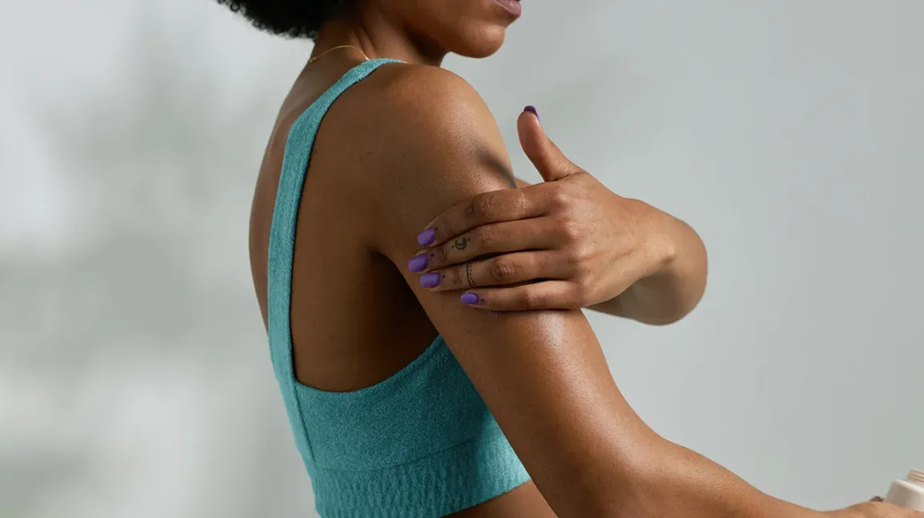
- Warm a small amount between your palms and apply after showering when the skin is still slightly damp.
- Use daily on elbows, knees, and heels — areas prone to dryness.
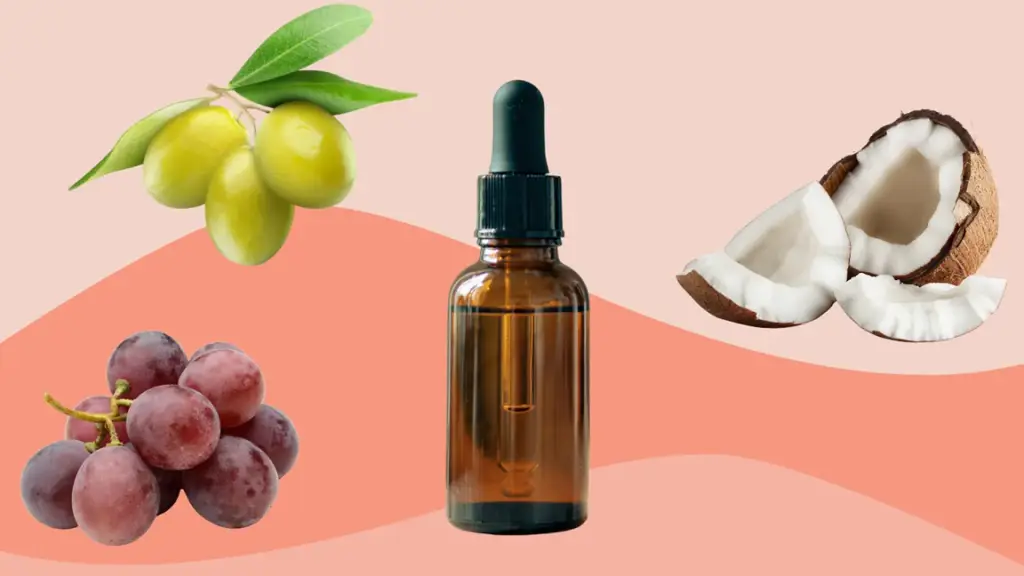
- For a lighter feel, mix with a few drops of coconut or baobab oil.
This deep hydration leaves your skin soft, supple, and radiant all day long — even in South Africa’s dry winter months.
2. Shea Butter Helps Repair and Soothe Dry, Irritated Skin
Shea butter isn’t just a moisturizer — it’s a natural healer. It contains vitamins A and E, known for their ability to repair damaged skin cells and calm irritation caused by dryness or environmental stress.
Why It Works
- Vitamin A stimulates cell regeneration, helping rough or cracked skin recover faster.
- Vitamin E provides antioxidants that neutralize free radicals and protect the skin barrier.
- Shea butter’s anti-inflammatory compounds, such as cinnamic acid, reduce redness and irritation, making it ideal for sensitive skin.
How to Use It
Apply shea butter to dry patches, sunburned areas, or post-shaving irritation. It also works well as a natural balm for eczema-prone or chapped skin.
Many African women in South Africa use pure shea butter as a night treatment, applying it before bed to allow deep restoration while they sleep.
3. Shea Butter Strengthens the Skin Barrier
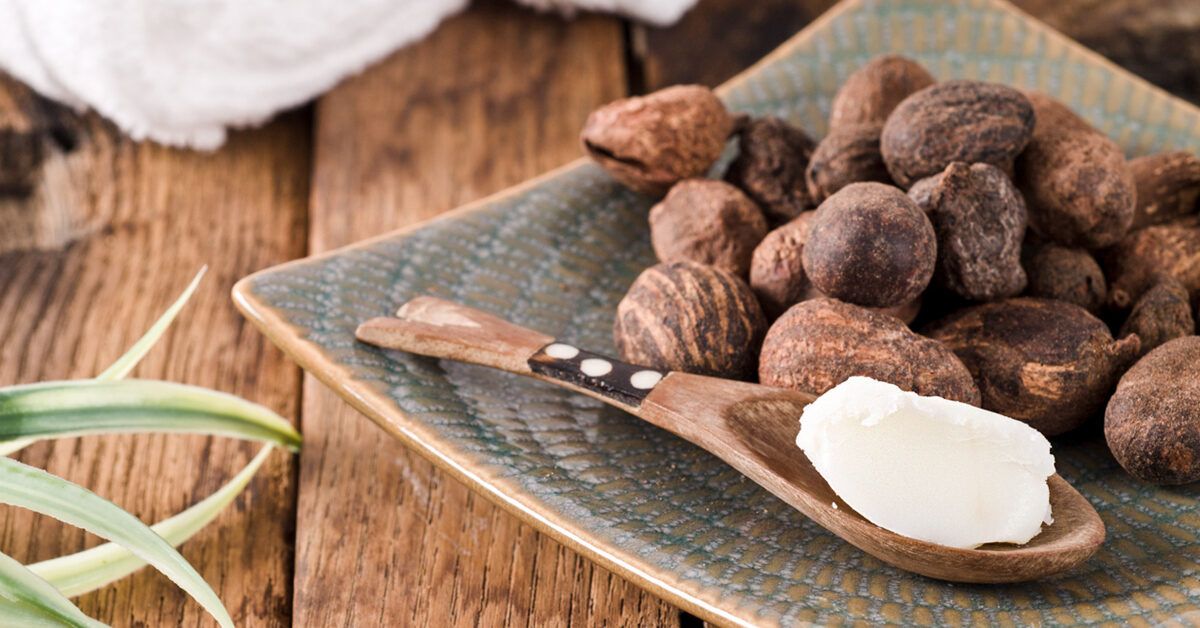
Your skin barrier is your body’s first defense against pollution, sun exposure, and dehydration — and when it’s compromised, dryness and irritation follow quickly. Shea butter is a natural solution for reinforcing that barrier.
Why It Works
The lipids in shea butter mimic the skin’s natural oils, replenishing what’s lost through cleansing or environmental exposure. Its phytosterols and fatty acids help restore elasticity and flexibility, keeping skin strong and resilient.
For African women living in dry inland provinces like Gauteng or the Free State, where the air can be harsh, shea butter provides a protective layer that locks out environmental stress without clogging pores.
How to Use It
- Massage a thin layer onto clean skin every night.
- For added protection, use under makeup as a natural primer — it smooths texture and prevents flaking.
- Combine with a few drops of marula or jojoba oil for an even silkier finish.
4. Shea Butter Promotes a Natural, Healthy Glow
Nothing enhances confidence like glowing skin — and shea butter is one of the simplest, most effective ways to achieve it naturally.
Why It Works
Shea butter promotes circulation and supports cell regeneration, helping fade dullness, dryness, and uneven texture. It also contains triterpenes, which protect collagen fibers and slow down early signs of aging.
Over time, consistent use can:
- Soften rough patches
- Improve overall radiance
- Reduce the appearance of fine lines
How to Use It
- Apply after cleansing as a moisturizer, especially before bedtime.
- Mix with your favorite body oil for an all-over glow.
- For facial use, apply a pea-sized amount on damp skin to avoid greasiness.
African women who use shea butter daily often notice smoother, healthier-looking skin with a natural, even-toned glow — no synthetic highlighter needed.
5. Shea Butter Protects Against Harsh Climates
In South Africa, weather can shift from scorching summers to dry winters, and both extremes can deplete your skin’s natural oils. Shea butter acts as a climate shield, preventing moisture loss and protecting the skin from irritation caused by heat, wind, or cold air.
Why It Works
Its semi-solid texture melts into the skin, forming a lightweight, breathable film that keeps moisture in and pollutants out. It also contains UV-protective properties (estimated SPF 4–6), providing mild natural defense against the sun.
How to Use It
- Apply before going outdoors to guard against dry, windy air.
- Use it as a lip balm to protect against cracking.
- Mix with natural oils like baobab or argan for all-season hydration.
For African women constantly exposed to changing weather and urban pollution, shea butter is an affordable, natural way to maintain healthy, balanced skin year-round.
How to Choose Quality Shea Butter

Not all shea butter is created equal. For the best results, look for raw or unrefined shea butter, which retains all its vitamins and natural healing compounds.
What to Look For
- Color: Pale yellow to ivory (not white, which often indicates over-processing).
- Texture: Smooth, creamy, and easy to melt between fingers.
- Smell: Earthy and nutty, without chemical fragrance.
Avoid refined versions that may have lost nutrients during processing or contain added preservatives.
Where to Buy Authentic Shea Butter in South Africa
For African women seeking pure, high-quality shea butter, Black African is the go-to shop. Black African, a proudly South African brand, offers 100% pure shea butter ethically sourced to meet the hydration needs of African skin.
Why choose Black African:
- Cold-pressed and unrefined to retain nutrients
- Free of chemicals, parabens, and artificial fragrance
- Blended options with marula, baobab, or coconut oils for extra nourishment
- Nationwide delivery in eco-friendly packaging
Whether tackling dryness, restoring elasticity, or enhancing your glow, Black African’s shea butter is the daily essential for smooth, naturally radiant skin.
How to Use Shea Butter in Your Daily Routine

Shea butter is one of nature’s most versatile moisturizers, rich in vitamins A and E and known for its deep hydration and healing properties. Here are simple ways to make it part of your everyday care routine:
- As a body moisturizer – Apply immediately after your shower to seal in moisture and keep your skin soft throughout the day.
- As a lip balm – Dab a small amount onto dry or chapped lips for instant comfort and long-lasting hydration.
- For rough spots – Massage onto heels, elbows, or hands before bed to smooth dry, cracked areas overnight.
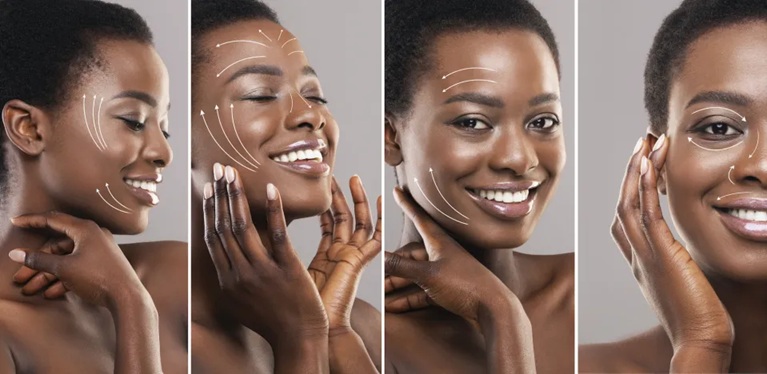
- As a facial moisturizer – Use sparingly on clean skin for a natural glow and improved elasticity.
- In hair care – Melt and mix with oils like coconut or jojoba to create a rich, nourishing butter for dry scalp and split ends.
With consistent use, shea butter helps restore softness, improve texture, and promote healthier skin and hair—naturally.
FAQs
Why is shea butter good for keeping skin hydrated?
Raw shea butter, derived from the African shea tree, acts as a natural emollient that helps trap moisture and keep the skin hydrated. Its rich creamy fat and essential nutrients improve skin health, soften dead skin cells, and offer quick relief for dry skin. The benefits of shea butter lie in its ability to provide extra moisture while supporting collagen production naturally.
What are the key benefits of shea butter for the skin?
Shea butter benefits include strong anti-inflammatory properties, antioxidant properties, and anti-aging properties that help reduce sun damage, calm redness, and smooth scar tissue. Regular use of shea butter-based products can relieve eczema symptoms, improve inflammatory skin conditions, and soften scar tissue, making them ideal for sensitive or acne-prone skin.
Is shea butter suitable for oily or acne-prone skin?
Yes — shea butter may actually balance oil production since it’s non-comedogenic and doesn’t clog pores. Unlike other moisturizers, refined shea butter and cocoa butter versions hydrate gently while reducing skin irritation. However, those with atopic dermatitis should test for allergic reactions first.
How can I use shea butter in my daily skincare routine?
Apply shea butter products or body lotions made with shea nuts after bathing to lock in moisture. It plays a crucial role in retaining moisture, protecting from sun damage, and providing quick relief to dry skin. In Sub-Saharan Africa, it’s often paired with other ingredients like coconut or jojoba oil for deeper hydration and lasting skin care benefits.
Conclusion
Shea butter is more than just a skincare ingredient — it’s a legacy of African beauty and natural wellness. Its powerful hydration, restorative vitamins, and protective properties make it one of the most versatile moisturizers for African women in South Africa.
By making shea butter part of your daily routine, you’re not only embracing a natural approach to beauty but also reconnecting with a timeless African tradition of self-care.
For soft, supple, and beautifully nourished skin, trust Black African Organics— where nature meets authenticity, and African beauty shines in its purest form.