Blog
Chubaba Pigmentation Treatment for African Skin: Causes, Meaning & How to Fade Dark Cheek Patches

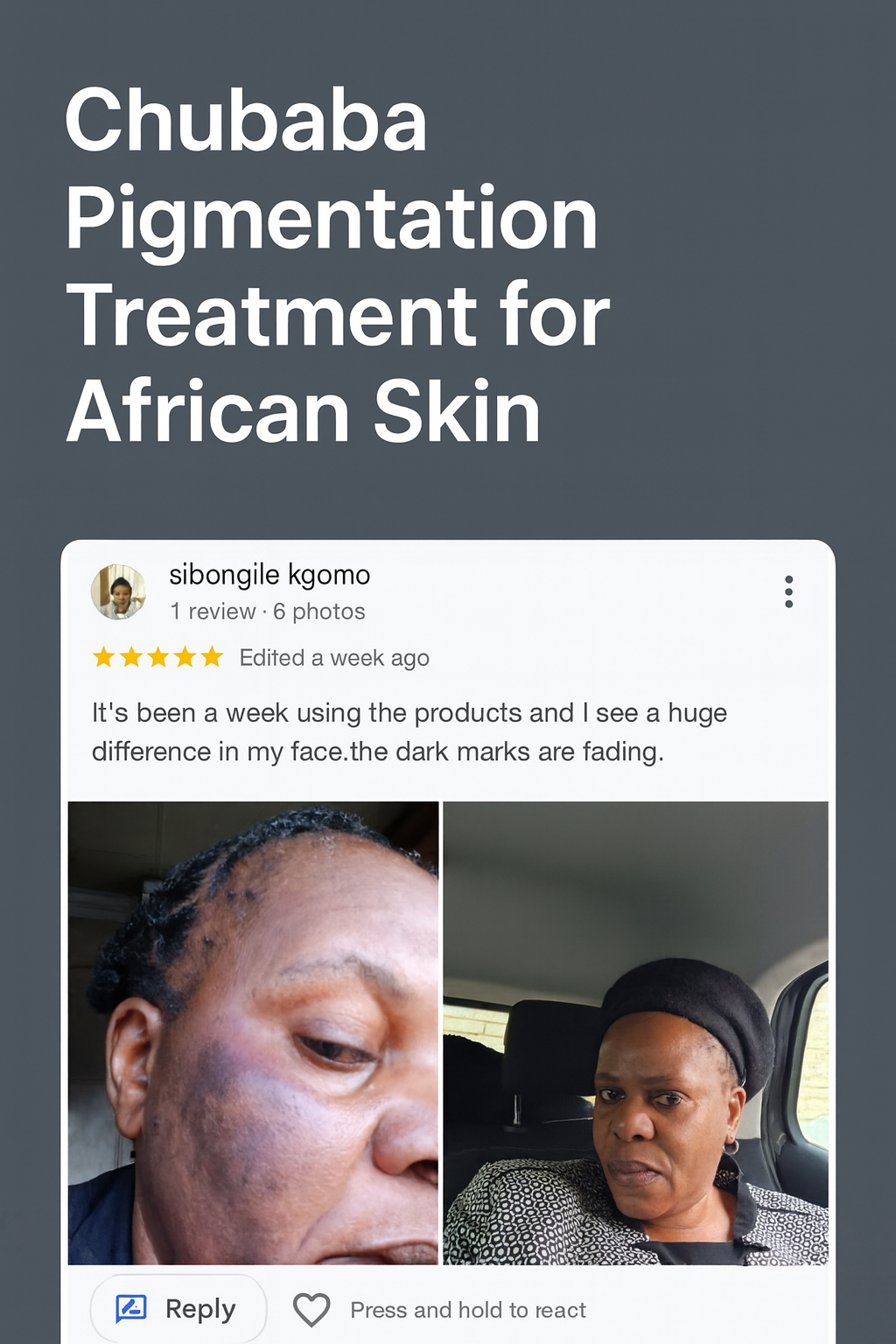
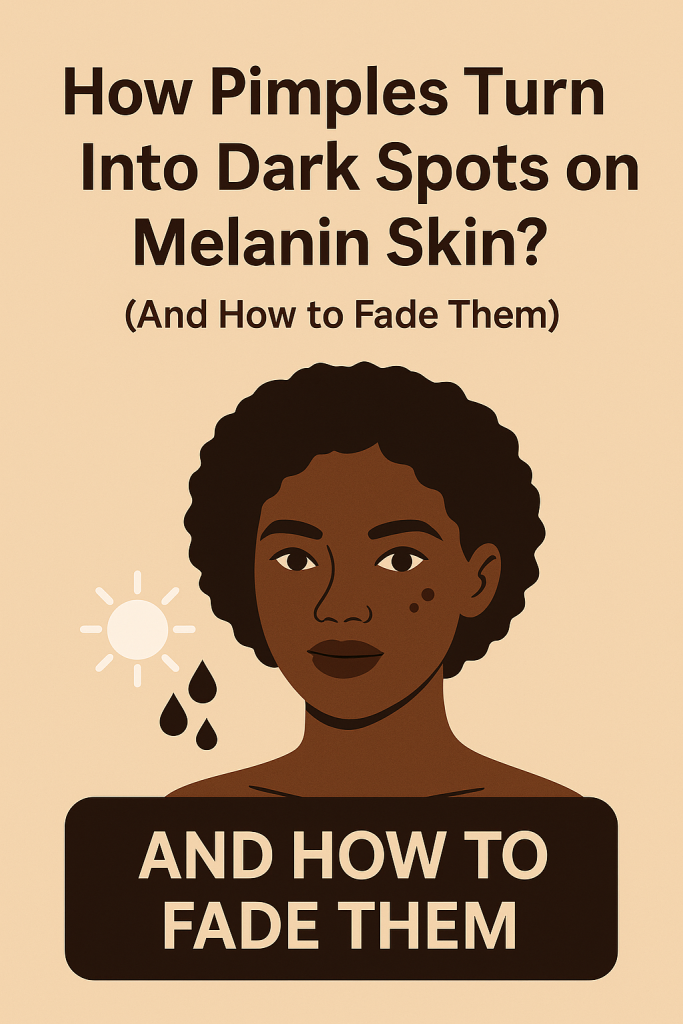
Chubaba — also spelled amachubaba, shubaba or amashubaba — is a common South African term used to describe dark cheek patches that develop slowly over time. If you’re searching for chubaba pigmentation treatment for African skin, you’re not alone. Millions of people with melanin-rich skin struggle with these dark patches caused by sun exposure, aging, or past use of harsh skin-lightening creams.
The good news? Chubaba can be treated safely, and your skin can become clearer, brighter, and more even with the right routine.
🔥 What Is Chubaba? Understanding These Dark Cheek Patches
Chubaba, or amachubaba / shubaba, refers to:
-
dark patches on the cheeks
-
uneven skin tone
-
pigmentation that gets darker in the sun
-
discoloration caused by damage to melanin cells
Clinically, this is usually Post-Inflammatory Hyperpigmentation (PIH) or melasma, both extremely common in African skin.
This article is designed to guide you through the best chubaba pigmentation treatment for African skin using safe, science-backed skincare.
☀️ Why Chubaba Happens in African Skin
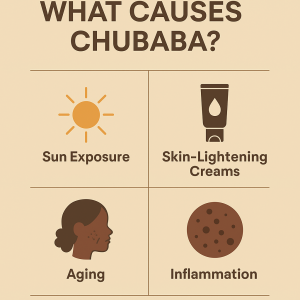
1️⃣ Sun Exposure
African skin is rich in melanin, but the cheeks are still highly sensitive to UV light.
UV exposure overstimulates melanin and creates stubborn dark patches.
Sunlight also makes chubaba:
-
darker
-
harder to fade
-
spread more widely
This is why the foundation of chubaba pigmentation treatment for African skin is daily sunscreen.
2️⃣ Aging
As the skin ages:
-
melanin becomes uneven
-
cell turnover slows
-
previous damage becomes more visible
This natural process often shows up as dark cheek patches, commonly identified as chubaba.
3️⃣ Skin Lightening Creams (MOST COMMON Cause)
Long-term use of harsh bleaching products containing:
-
hydroquinone (overused)
-
mercury
-
steroids
-
harsh exfoliants
…causes:
-
melanin rebound
-
skin thinning
-
chronic inflammation
-
deep cheek pigmentation
This is the most common reason people seek chubaba pigmentation treatment for African skin today.
There is no judgement — people used these products due to limited skincare knowledge.
But the damage can now be repaired safely.
🧬 The Science Behind Chubaba in Melanin-Rich Skin
African skin has:
-
larger melanocytes
-
more reactive pigment cells
-
stronger melanin response to inflammation
When the skin is damaged, irritated, or exposed to UV light, it produces excess melanin, which settles into the cheeks as chubaba.
This is why treating it requires sun protection + brightening + barrier repair.
☀️ Why Sunlight Makes Chubaba Worse
UV exposure:
-
deepens dark patches
-
slows the fading process
-
increases melanin production
-
triggers new pigmentation
This is why any chubaba pigmentation treatment for African skin must include SPF50.
Without sunscreen, dark patches will never fade completely.
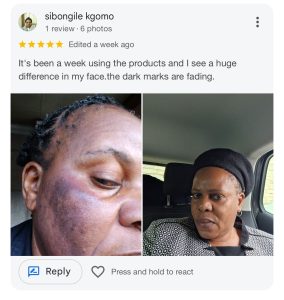
⭐ Best Chubaba Pigmentation Treatment for African Skin (Proven Routine)
Here is the safest, most effective routine for fading chubaba in melanin-rich African skin.
1️⃣ Daily SPF50 (Most Important Step)
Sunscreen is the base of chubaba pigmentation treatment for African skin.
It prevents dark patches from becoming darker and protects melanin cells while they recover.
Best option:
Black African Organics SPF50 Organic Filters Sunscreen
-
100% invisible on dark skin
-
absolutely no white cast
-
antioxidant-rich
-
includes Vitamin E + Squalane
-
made for African sun
This is the #1 product for chubaba.
2️⃣ Brightening Serum (Vitamin C, Niacinamide, Azelaic Acid)
Brightening serums help fade chubaba by:
-
reducing melanin production
-
calming inflammation
-
smoothing uneven tone
Use this every morning under SPF to speed up fading.
3️⃣ Gentle Foaming Cleanser
Avoid scrubs and harsh cleansers — they make the cheeks darker.
A gentle cleanser is essential for:
-
protecting the skin barrier
-
preventing new inflammation
-
supporting pigment correction
4️⃣ Repairing Moisturiser
Hydration strengthens the skin barrier.
Choose ingredients like:
-
squalane
-
hyaluronic acid
-
shea butter
Healing skin fades pigmentation faster.
❌ What Makes Chubaba Worse
Avoid these if you’re serious about chubaba pigmentation treatment for African skin:
-
lemon juice
-
toothpaste
-
harsh scrubs
-
alcohol toners
-
hot water
-
continued use of bleaching creams
-
skipping sunscreen
These increase inflammation → increase pigmentation.
🖤 How Long Does Chubaba Take to Fade?
With the correct routine:
-
6–12 weeks: visible improvement
-
3–6 months: deeper fading
-
Daily SPF: prevents return
Without SPF?
Chubaba will not fade and often becomes darker.
⭐ BAO’s 4-Step Routine for Chubaba Pigmentation Treatment for African Skin
1️⃣ BAO Foaming Cleanser
2️⃣ BAO Toning Mist
3️⃣ BAO Vitamin C Brightening Serum
4️⃣ BAO SPF50 Organic Filters Sunscreen
This routine targets:
-
pigmentation
-
sun damage
-
inflammation
-
damaged melanin cells
Safe, gentle, and effective for African skin.
📣 Ready to Treat Chubaba Safely?
Discover the best chubaba pigmentation treatment for African skin:
👉 Shop BAO SPF50 – 100% Invisible Protection
👉 Shop BAO Face Range – Cleanser, Toner, Serums, Moisturiser
Clear, even-toned, confident skin starts here — without bleaching.