Blog
Nourish Your Melanin-Rich Skin with Natural Skincare

Many people want healthy, radiant melanin-rich skin. But it can be hard to get. With the right products and a regular routine, you can make your skin shine.
It’s key to use nourishing ingredients for melanin-rich skin. The right natural skincare can keep your skin hydrated, protected, and glowing.
Key Takeaways
- Understand the importance of nourishing ingredients for melanin-rich skin.
- Learn how to choose the right natural skincare products.
- Discover the benefits of a consistent skincare routine.
- Explore the role of natural ingredients in enhancing skin health.
- Find out how to protect your skin from environmental stressors.
Understanding Melanin-Rich Skin: Characteristics and Needs
Melanin-rich skin is common in people of African descent. It has unique needs and responds differently to skincare. This skin type is not just about melanin but also about how it reacts to various treatments.
The Science Behind Melanin Production
Melanin is made by cells called melanocytes in the skin. It helps protect the skin from UV damage. There are two types of melanin: eumelanin (brown/black) and pheomelanin (red/yellow).
People with melanin-rich skin have more eumelanin. This helps protect them from UV radiation.
Unique Properties of Melanin-Rich Skin
Melanin-rich skin has special properties. It tends to be drier and can look ashier. This is because its natural moisture barrier can be weak.
It also gets hyperpigmentation easily. This happens when the skin gets inflamed or injured.
Key characteristics include:
- Higher melanin content for natural UV protection
- Increased risk of dryness and ashiness
- Greater susceptibility to hyperpigmentation
Common Misconceptions About Darker Skin Tones
Many think melanin-rich skin doesn’t need sun protection. But, even with more melanin, it can still get damaged by UV rays and get skin cancer. Another myth is that darker skin tones don’t need special skincare products.
In reality, melanin-rich skin needs products that moisturize well and exfoliate gently. Knowing these needs is key to good skincare for melanin-rich skin.
Common Skin Concerns for Melanin-Rich Skin in South Africa
Melanin-rich skin faces unique challenges, especially in South Africa’s diverse climate. People with this skin type often deal with specific issues. These can be solved with natural skincare.
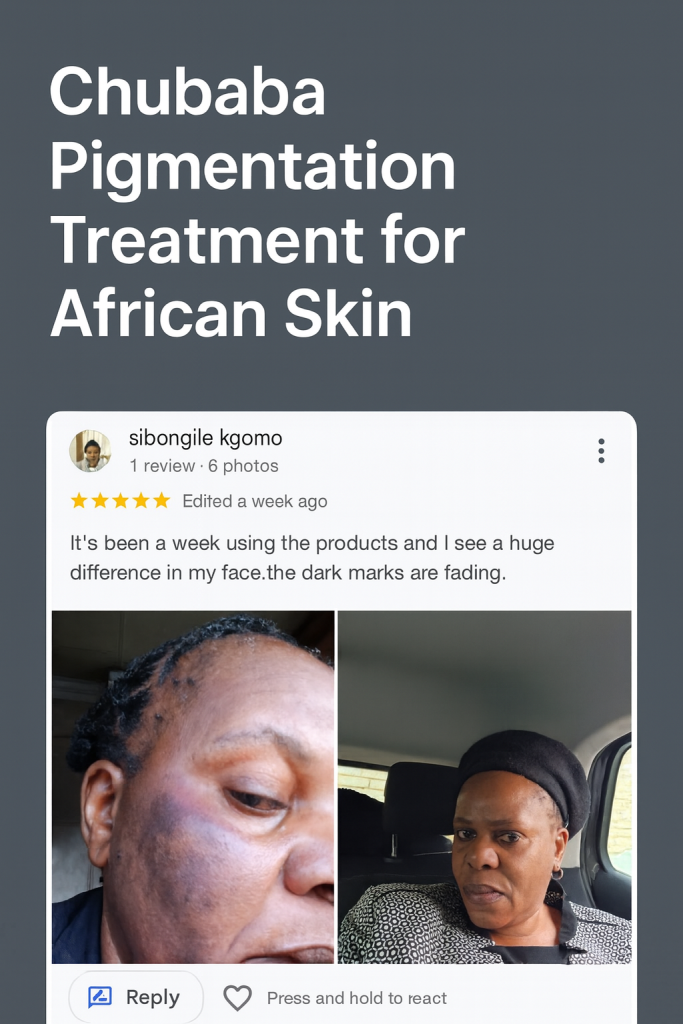
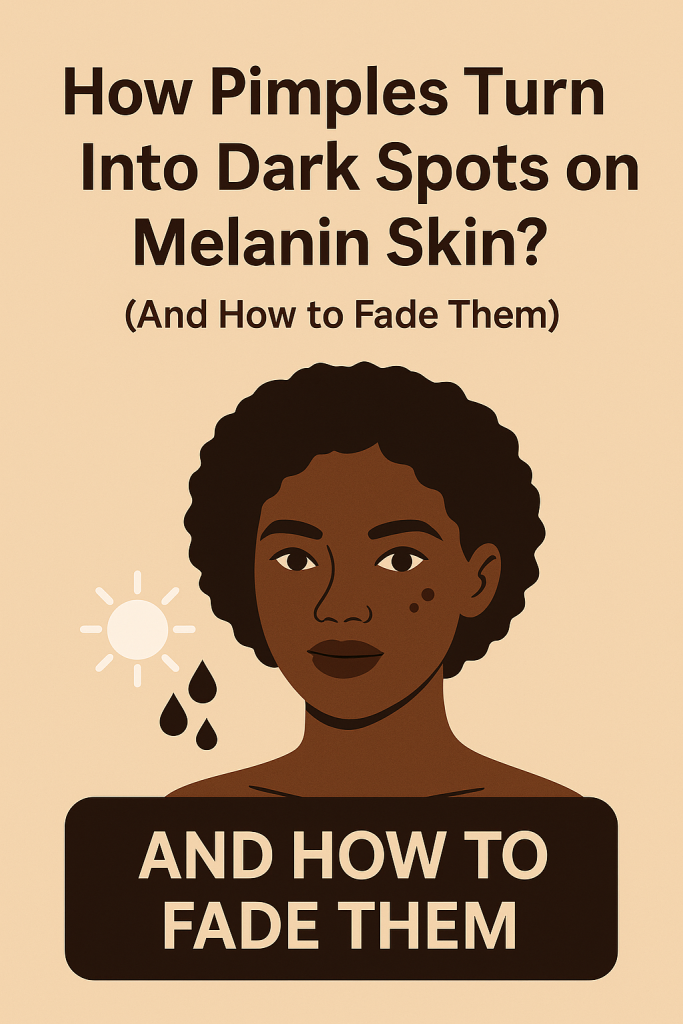
Hyperpigmentation and Dark Spots
Hyperpigmentation is a big problem for those with melanin-rich skin. It leads to dark spots and uneven skin tone. Natural skincare ingredients like turmeric and aloe vera can help. They reduce inflammation and promote even skin tone.
Uneven Skin Tone and Texture
Managing uneven skin tone and texture can be tough. Natural exfoliants like sugar or salt scrubs can improve skin texture. Ingredients like shea butter moisturize and even out the skin tone.
Dryness and Ashiness
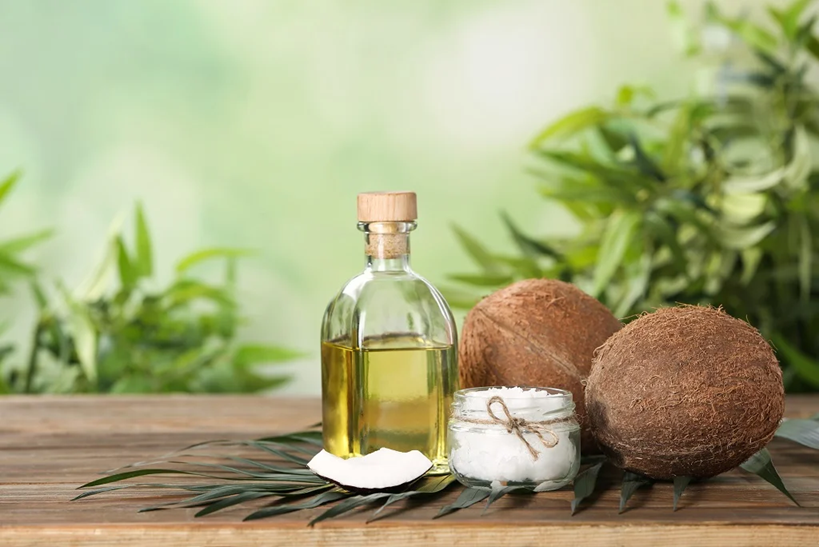
Dryness and ashiness are common in melanin-rich skin, especially in dry climates. Hydrating ingredients like coconut oil and shea butter are key. They fight dryness and make the skin soft and supple.
Climate-Related Challenges in South African Regions
South Africa’s climate varies, from humid coastal areas to dry inland. This poses different challenges for melanin-rich skin. It’s important to understand these challenges to create an effective natural skincare routine.
By recognizing these common skin concerns and using the right natural skincare, people with melanin-rich skin in South Africa can get healthier, more radiant skin.
The Benefits of Natural Skincare for Melanin-Rich Skin
Switching to natural skincare can change your life if you have melanin-rich skin. It brings many benefits that boost your skin’s health. Natural products are full of antioxidants, vitamins, and minerals. They feed your skin without using harsh chemicals.
Why Natural Ingredients Work Well for Darker Skin Tones
Natural ingredients are great for melanin-rich skin because they are gentle yet effective. Shea butter and aloe vera deeply moisturize and calm the skin. They help reduce dryness and irritation.
Avoiding Harmful Chemicals and Their Effects
Many skincare products have harsh chemicals that dry out and irritate the skin. Natural skincare skips these chemicals. It uses ingredients that match the skin’s natural balance.
Sustainability and Ethical Considerations
Choosing natural skincare also supports green and fair practices. Many brands use eco-friendly packaging and test cruelty-free. They also buy ingredients from local communities, helping the planet and people.
By using natural skincare, people with melanin-rich skin get healthier, stronger skin. They also help make the world a greener place.
Essential Natural Ingredients for Melanin-Rich Skin
For melanin-rich skin, some natural ingredients are especially good. They not only feed the skin but also tackle issues like dryness, dark spots, and sensitivity.
Shea Butter and African Oils
Shea butter is famous for its moisturizing powers. It’s great for fighting dryness and dullness in melanin-rich skin. Rich in vitamins A and E, it hydrates and protects the skin. African oils, like marula and jojoba, are also good because they have anti-inflammatory and antioxidant properties.

Natural Ingredients for Melanin-Rich Skin
Aloe Vera and Its Healing Properties
Aloe vera is also great for melanin-rich skin. Its soothing and cooling properties are perfect for calming irritated skin and reducing swelling. It also hydrates the skin without blocking pores.
Turmeric and Other Anti-Inflammatory Ingredients
Turmeric has curcumin, a compound with strong anti-inflammatory and antioxidant properties. This makes turmeric good for reducing inflammation and preventing acne and dark spots. Other anti-inflammatory ingredients, like green tea and chamomile, are also helpful.
Indigenous South African Botanicals
South Africa has many botanicals that are good for melanin-rich skin. Ingredients like rooibos tea and buchu are full of antioxidants and have anti-inflammatory effects. Adding these local botanicals to your skincare can nourish and protect your skin.
By using these natural ingredients in your skincare, you can get healthier, brighter skin. It’s important to know what your skin needs and choose products that meet those needs.
Creating Your Natural Daily Skincare Routine
To care for your melanin-rich skin, create a daily skincare routine with natural ingredients. A good routine keeps your skin balanced. It tackles issues like hyperpigmentation, dryness, and sensitivity.
Morning Cleansing and Protection
Begin your day with a gentle cleanse. Choose a natural cleanser that removes dirt without drying out your skin. Next, use a toner to adjust your skin’s pH. Finally, apply a natural sunscreen with SPF to shield against UV rays.
Evening Restoration and Repair
Evening is for repair. Cleanse your skin well to remove dirt and makeup. Then, apply a natural serum or treatment to tackle specific skin issues. End with a moisturizer to seal in the benefits.
Weekly Treatments and Masks
Don’t forget weekly treatments and masks for extra care. Use a natural exfoliant to get rid of dead skin cells. Follow with a hydrating mask to add moisture.
Adjusting Your Routine for Different Seasons
Change your skincare routine with the seasons. In cold, dry months, use rich moisturizers and hydrating masks. In hot, humid months, opt for lighter products to avoid clogged pores.
| Season | Skincare Focus | Recommended Products |
| Winter | Hydration, Moisturizing | Rich moisturizers, Hydrating masks |
| Summer | Lightweight hydration, Protection | Light moisturizers, Natural sunscreens |
| Spring/Autumn | Balancing, Exfoliating | Balancing toners, Natural exfoliants |
By making your skincare routine fit your skin’s needs and adjusting it with the seasons, you can keep your melanin-rich skin healthy and vibrant.
Natural Solutions for Hyperpigmentation and Dark Spots
Fixing hyperpigmentation naturally means knowing why it happens and using the right remedies. People with darker skin often struggle with hyperpigmentation and dark spots. These issues can make their skin look dull and affect their confidence.
Understanding the Causes of Hyperpigmentation
Hyperpigmentation happens when melanin, the skin’s color pigment, is made too much. It can be caused by the sun, hormonal changes, and skin injuries. Knowing why it happens helps in finding the right way to fix it.
Effective Natural Lightening Agents
Some natural things can help lighten dark spots. These include:
- Turmeric: It has curcumin, which stops melanin from being made.
- Licorice Root Extract: It helps lower melanin production.
- Aloe Vera: It calms the skin and helps with dark spots.

Natural Ingredients for Hyperpigmentation
DIY Treatments for Fading Dark Spots
Making your own skincare can save money and fit your skin’s needs. Here are some DIY ways to fade dark spots:
| Treatment | Ingredients | Instructions |
| Turmeric Mask | 1 tsp turmeric, 1 tsp honey | Mix, apply for 15 minutes, rinse. |
| Aloe Vera Gel | Fresh aloe vera gel | Apply directly to affected areas. |
Consistency and Patience: Setting Realistic Expectations
Fixing hyperpigmentation and dark spots takes time. It’s important to keep using natural treatments and be patient. Results can take weeks to show, and they may vary.
Hydration Strategies for Melanin-Rich Skin
For those with melanin-rich skin, hydration is more than just moisturizer. It’s about understanding and meeting the skin’s unique needs.
The Importance of Internal Hydration
Drinking enough water is key for healthy, vibrant skin. It helps remove toxins and keeps the skin hydrated. Aim for at least eight glasses of water a day, depending on your activity and where you live.
Natural Humectants and Moisturizers
Natural ingredients like shea butter, aloe vera, and honey are great for keeping skin hydrated. Shea butter, in particular, is excellent for dry skin.
Layering Products for Maximum Hydration
Using multiple skincare products can really help with hydration. Start with a hydrating toner, then a serum with hyaluronic acid, and end with a moisturizer. This way, your skin gets hydrated at different levels.
Addressing Seasonal Dryness in South African Climate
The South African climate can be tough, with dry winters and hot summers. To fight dryness, change your skincare routine with the seasons. Use richer moisturizers in winter and lighter, oil-free products in summer.
| Season | Skincare Focus | Recommended Products |
| Winter | Intensive Hydration | Rich moisturizers, hydrating masks |
| Summer | Balancing Hydration and Oil Control | Lightweight moisturizers, oil-free products |
DIY Natural Skincare Recipes for Melanin-Rich Skin
Creating DIY natural skincare recipes is a big change for those with melanin-rich skin. You can use local ingredients and traditional African botanicals. This way, you can make your skincare routine fit your skin’s needs perfectly.
Cleansers and Toners Using Local Ingredients
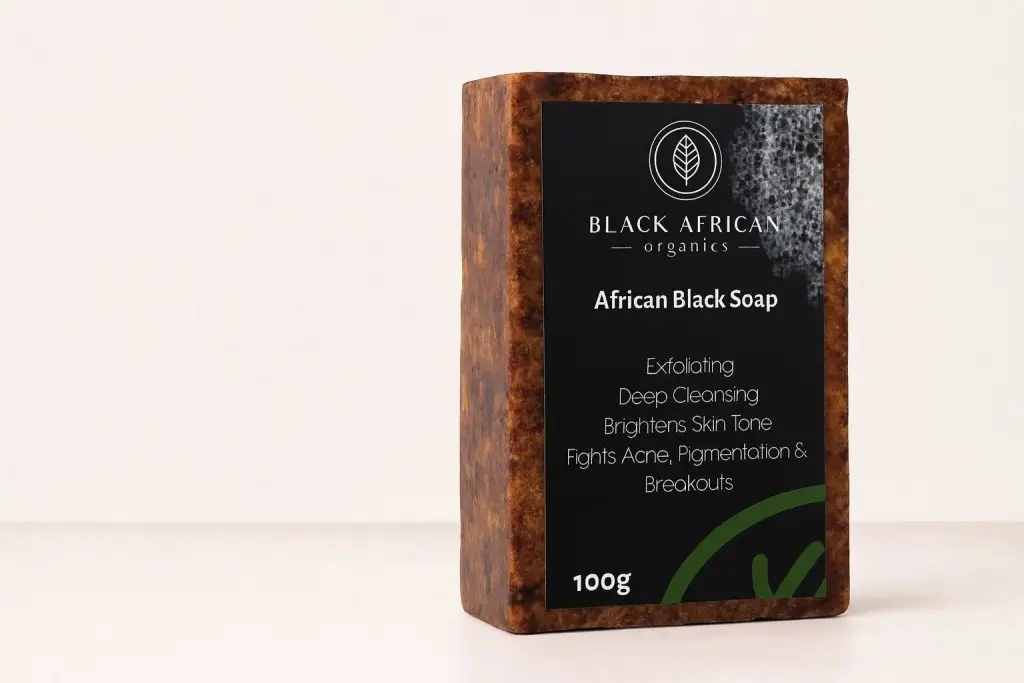
Begin with a gentle cleanser made from shea butter and African black soap. Mix equal parts of melted shea butter and grated black soap. Add a few drops of tea tree oil for its antibacterial benefits.
For a toner, mix rose water with witch hazel and a splash of lemon juice. This combo is refreshing and balances your skin.
Nourishing Face Masks and Treatments
Make a face mask with turmeric, honey, and yogurt. Mix one teaspoon of turmeric powder with two tablespoons of honey and yogurt. This mask soothes and brightens your skin.
Apply it for 15-20 minutes before rinsing with warm water.
Body Butters and Oils for All-Over Glow
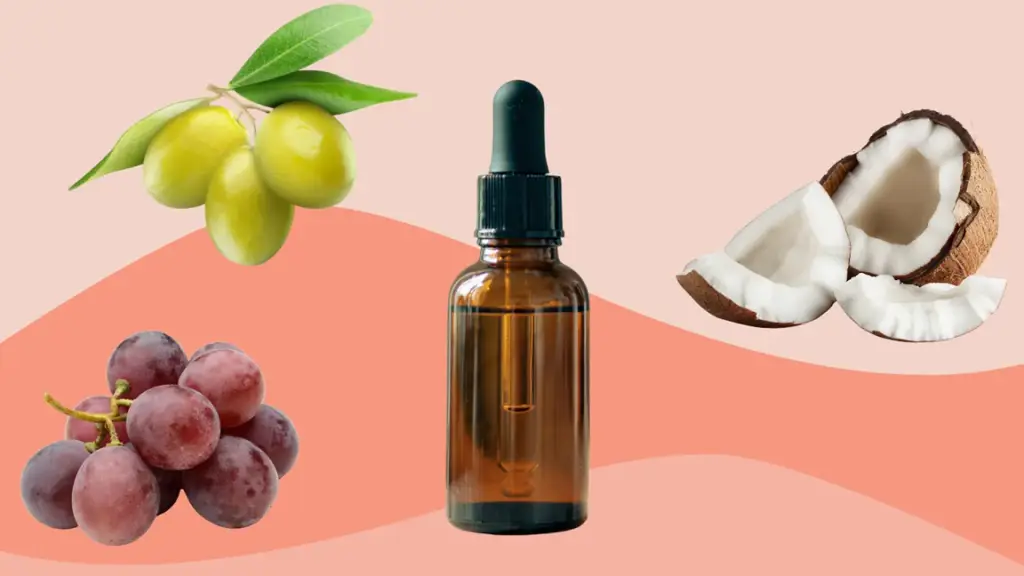
Blend shea butter, cocoa butter, and a few drops of your favorite essential oil for a body butter. For a glow, mix equal parts of coconut oil and olive oil with a vitamin E capsule.
Storage and Shelf Life Considerations
Store your DIY skincare in clean, airtight containers in a cool, dry place. Homemade products have a shorter shelf life than store-bought ones. Make small batches and use them within a few weeks. Always check for spoilage before use.

DIY natural skincare recipes for melanin-rich skin
Using these DIY skincare recipes can make your skin healthier and more radiant. It also connects you with your cultural heritage.
Sun Protection for Melanin-Rich Skin: Natural Approaches
Sun protection is key, especially for those with melanin-rich skin. They might think they’re safe from sun damage. But, melanin alone isn’t enough to block all harmful rays.
Debunking the Myth: Why Dark Skin Needs Sun Protection
Many dark-skinned people think they don’t need sun protection. But, this belief can lead to serious skin damage. This includes hyperpigmentation and a higher risk of skin cancer.
Understanding the risks of not protecting your skin is vital. Even with more melanin, dark skin can still suffer from UV damage. This can cause early aging and other skin problems.
Natural Ingredients with SPF Properties
Nature has many SPF-boosting ingredients. Some include:
- Zinc oxide, a physical sunblock that blocks UVA and UVB rays.
- Red raspberry seed oil, known for its natural SPF.
- Carrot seed oil, rich in antioxidants and may offer SPF benefits.
Complementing Natural Protection with Commercial Products
Natural ingredients can protect your skin, but they might not be enough. Using commercial sun protection products with natural methods offers better protection. Choose products labeled as “broad-spectrum” with an SPF of at least 30.
Post-Sun Exposure Care
After being in the sun, your skin needs extra care. Use aloe vera or other soothing ingredients to calm your skin. Also, drinking plenty of water helps keep your skin hydrated and healthy.
By using natural sun protection, commercial products, and post-sun care, melanin-rich skin can enjoy the sun safely.
Best Natural Hair Growth Treatments in South Africa
Embracing natural hair care is a journey. South Africa’s rich biodiversity offers many options for hair growth. The country’s unique botanicals and traditional practices provide natural treatments for different hair types and needs.
Understanding the Connection Between Scalp and Hair Health
A healthy scalp is key for strong hair growth. The scalp’s condition affects hair follicles, impacting growth rate and strength. Keeping the scalp clean and balanced is essential for hair growth.
Key factors affecting scalp health include:
- Moisture levels
- Presence of irritants or allergens
- Circulation and blood flow
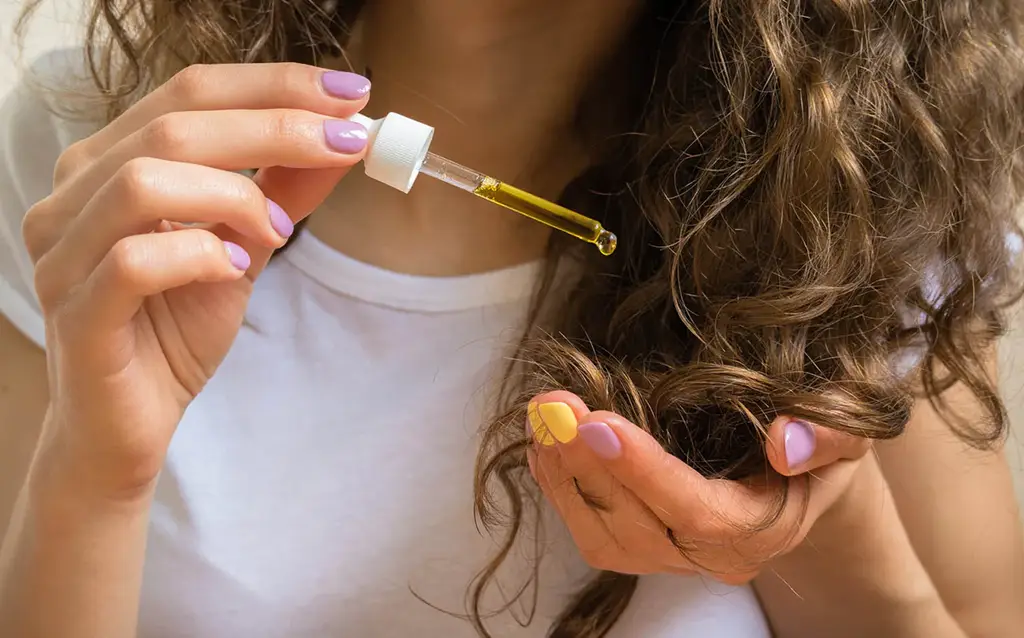
Indigenous Oils and Herbs for Hair Growth
South Africa is rich in indigenous oils and herbs for hair growth. These have been used for centuries. Some of the most effective include:
| Ingredient | Benefits |
| Marula Oil | Nourishes and moisturizes the scalp, promoting healthy hair growth |
| Buchu | Stimulates the scalp and has antifungal properties |
| Baobab Oil | Rich in vitamins and minerals, it nourishes the hair follicles |
DIY Scalp Treatments and Hair Masks
Creating your own scalp treatments and hair masks is effective. You can use natural ingredients. Some simple recipes include:
- Aloe vera and coconut oil mask for hydration
- Apple cider vinegar rinse for scalp balance
- Honey and olive oil treatment for nourishment
Protective Styling and Natural Hair Care
Protective styling helps promote hair growth by reducing breakage. Techniques include braiding, twisting, and low-manipulation styles. Combining these with natural hair care practices improves hair health.
Tips for effective protective styling:
- Keep styles simple and not too tight
- Moisturize regularly
- Limit the duration of protective styles
Addressing Specific Concerns: Eczema, Acne, and Sensitivity
Getting healthy, glowing skin is a journey for those with melanin-rich skin. It involves tackling issues like eczema, acne, and sensitivity. These problems can be tough because of the unique needs of melanin-rich skin. We’ll look at natural ways to handle these skin issues.
Natural Approaches to Managing Eczema in Melanin-Rich Skin
Eczema makes your skin red and itchy. It’s common in kids but can happen at any age. For melanin-rich skin, gentle, natural products are key. They help soothe and repair the skin.
Shea butter and aloe vera are good because they moisturize and reduce inflammation.
A study in the Journal of Ethnopharmacology shows natural ingredients can help with eczema. Here’s a table of some natural ingredients and their benefits for eczema-prone skin.
| Natural Ingredient | Benefits for Eczema-Prone Skin |
| Shea Butter | Moisturizes and soothes irritated skin |
| Aloe Vera | Reduces inflammation and promotes healing |
| Coconut Oil | Hydrates the skin and has antimicrobial properties |
Treating Acne Without Causing Hyperpigmentation
Acne can lead to dark spots, especially in melanin-rich skin. To treat acne naturally, use gentle, non-clogging products. Turmeric and tea tree oil are good because they fight inflammation and bacteria without causing more pigmentation.
Gentle Solutions for Sensitive Skin
Sensitive skin needs extra care because it can react easily. For melanin-rich skin, use fragrance-free, gentle products. Chamomile and green tea can calm and soothe the skin, making it less sensitive.
When to Seek Professional Help
Natural skincare is great, but sometimes you need a dermatologist. If your skin problems don’t go away or are severe, see a dermatologist. They can give you advice and treatments that fit your skin’s needs.
Holistic Approaches to Skin Health: Diet, Lifestyle, and Stress Management
Our skin’s health is closely tied to our overall well-being. This includes what we eat, how active we are, and how we handle stress. To have healthy skin, we need to look at more than just what we put on our skin. We also need to make lifestyle choices that help our skin glow from the inside.
Nutrient-Rich Foods for Skin Health
Eating foods full of antioxidants, vitamins, and minerals is key for healthy skin. Foods like salmon and walnuts, which are rich in omega-3 fatty acids, can reduce inflammation. Foods high in vitamin C, like citrus fruits and leafy greens, help make collagen. Adding foods like baobab fruit, which is packed with vitamin C, can also boost skin health.
The Impact of Sleep and Exercise
Getting enough sleep and exercising regularly are essential for skin health. Sleep helps our skin repair itself, while exercise boosts blood flow. This ensures our skin gets the oxygen and nutrients it needs. Activities like yoga not only improve our physical health but also help us manage stress, which is good for our skin.
Stress Management Techniques for Radiant Skin
Too much stress can cause skin problems like acne and dark spots. Practices like meditation, deep breathing, and mindfulness can help control stress. Using traditional African herbs and rituals can also improve our overall well-being and skin health.
Traditional African Wellness Practices
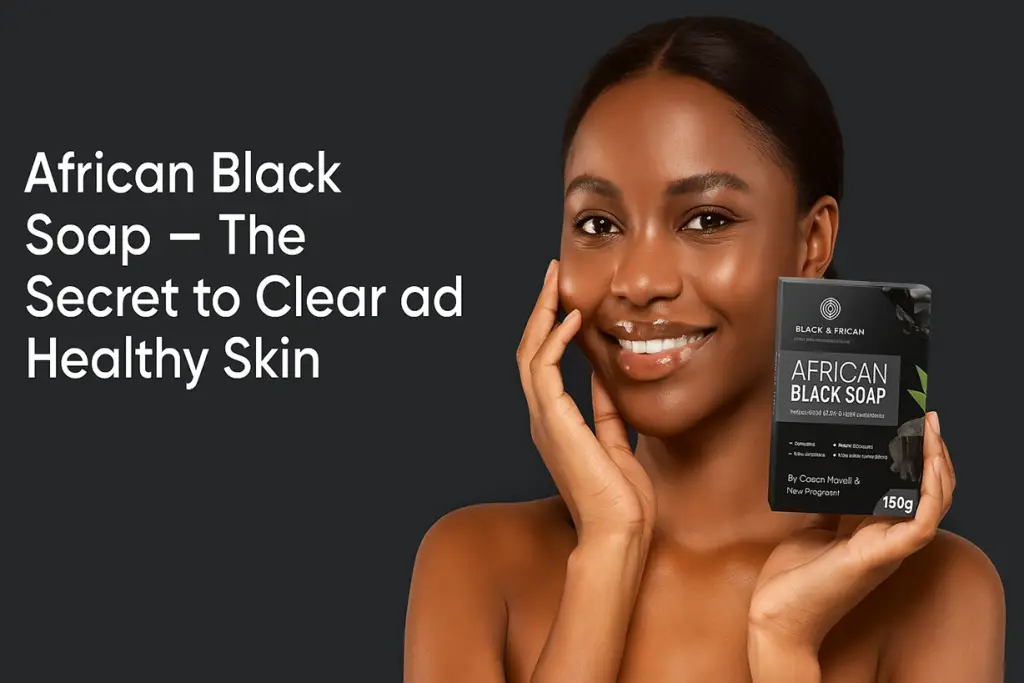
Traditional African wellness practices mix natural ingredients with spiritual and physical practices. For example, African black soap is thought to cleanse the skin. Adding these practices to our daily routines can improve our skin and overall health.
By taking a holistic approach to skin health, we can get a brighter and more resilient complexion. This means eating well, staying active, getting enough sleep, and managing stress effectively.
Some key holistic practices include:
- Eating a balanced diet rich in fruits, vegetables, and whole grains
- Engaging in regular physical activity, such as yoga or walking
- Getting adequate sleep each night
- Practicing stress management techniques, like meditation or deep breathing
- Incorporating traditional African wellness practices into daily routines
Conclusion: Embracing Your Natural Beauty with Confidence
Starting a natural skincare journey takes time, effort, and the right information. It’s about understanding your skin’s needs and using products that match them. This way, you can get a glowing and healthy look.
Being confident in your natural beauty is more than just skincare. It’s about living a healthy lifestyle too. Eating well, exercising, and managing stress are all important. If you want to grow your hair, try the best natural treatments in South Africa.
Combining natural skincare with a healthy lifestyle can make a big difference. It’s all about being consistent and gentle with your skin. With the right mindset and products, you can truly celebrate your natural beauty.